Category

Food

Category

We’ve all been there. You find a gorgeous recipe online, spend forty minutes prepping, use every pan in the cupboard, and end up with a delicious meal… and a mountain of dishes that makes you want to order takeout for the next week.

In the modern kitchen, there is a rising hero that saves our sanity and our schedules: the one-pot meal. But it’s more than just a convenience; it’s a culinary philosophy that focuses on building deep, layered flavors in a single vessel.


Why One-Pot Cooking Wins Every Time

It’s easy to think that cooking everything together results in a “mushy” mess, but when done right, it’s actually a masterclass in flavor extraction.

  • Flavor Integration: When you cook your protein, grains, and veggies in one pot, the juices from the meat season the rice, and the aromatics (like garlic and onion) permeate every single bite.

  • The “Fond” Factor: That brown, caramelized layer at the bottom of the pan? That’s called fond. In a one-pot dish, you deglaze that flavor directly back into your sauce rather than washing it down the sink.

  • Sustainability: Less water used for cleaning and less energy used by the stove. It’s a win for the planet and your utility bill.


3 Tips for One-Pot Perfection

To avoid the “bland stew” trap, follow these three rules of thumb:

  1. Stagger Your Ingredients: Don’t throw everything in at once. Sear your meat first, remove it, sauté your aromatics, toast your grains, and then add your liquids.

  2. The Herb Timing: Add “hard” herbs like rosemary and thyme early on. Save “soft” herbs like parsley, basil, or cilantro for a fresh garnish at the very end.

  3. Acid is Your Best Friend: A heavy one-pot pasta or stew can sometimes feel “flat.” A squeeze of fresh lemon juice or a splash of apple cider vinegar right before serving wakes up all the other flavors.


The Bottom Line

Cooking doesn’t have to be a multi-stage production to be gourmet. Sometimes, the most soul-satisfying meals are the ones that simmered together in a single Dutch oven while you enjoyed a glass of wine or caught up on your favorite show.

The next time you’re reaching for a second frying pan, ask yourself: Can I make this happen in one? Your future self (and your dishwasher) will thank you.


We’ve all been there. It’s 6:30 PM on a Tuesday, the workday was longer than expected, and the thought of standing over four different simmering pans—only to face a mountain of dishes afterward—feels like a marathon you didn’t train for.

Enter the one-pot wonder.

More than just a social media trend, one-pot cooking is a culinary philosophy that prioritizes flavor and sanity in equal measure. Whether it’s a Dutch oven, a sheet pan, or a trusty cast-iron skillet, limiting your canvas to a single vessel changes the way you approach food.


Why One-Pot Meals Win Every Time

  1. Concentrated Flavor: When you cook your proteins, grains, and vegetables together, they “marry.” The rice absorbs the juices from the chicken; the potatoes soak up the rosemary and garlic butter. Nothing is lost to a separate pot of boiling water.

  2. Effortless Cleanup: This is the ultimate selling point. When the meal is done, you have one pot and a few plates. That’s it.

  3. Texture Mastery: One-pot cooking often relies on braising or roasting, techniques that result in tender meats and perfectly caramelized vegetables.

3 Staples for the One-Pot Pantry

If you want to master this style of cooking, keep these “flavor boosters” on hand:

  • High-Quality Broth: Since your grains or legumes will be absorbing this liquid, skip the flavorless water and go for a rich bone broth or a salted vegetable stock.

  • Aromatics: Onions, garlic, and ginger are the foundation. Sautéing these first in the pot builds a “base layer” of flavor.

  • Acid: A splash of lemon juice or apple cider vinegar at the very end cuts through the richness and “wakes up” the dish.


A Simple Inspiration: The Sheet-Pan Mediterranean Bake

You don’t need a complex recipe to start. Try this tonight:

Ingredient Prep Style
Chicken Thighs Bone-in, skin-on for maximum moisture.
Cherry Tomatoes Leave them whole so they “burst” into a sauce.
Red Onion Thick wedges that get sweet when charred.
Feta Cheese Crumble over the top in the last 5 minutes of roasting.

The Method: Toss everything in olive oil, dried oregano, salt, and pepper. Roast at 200°C until the chicken is golden and the tomatoes have collapsed.


Final Thoughts

Cooking doesn’t have to be a performance or a chore. It’s about nourishment and the joy of a shared meal. By simplifying the process down to a single pot, you reclaim your evening without sacrificing the quality of what’s on your fork.

We’ve all been there. You’re following a recipe to the letter, but suddenly the sauce looks like a broken mess, the “pinch of salt” turned into a landslide, or your chicken is looking a little too… crispy on the outside while remaining frozen in the middle.

In the world of food blogging, we often see the polished final product. But the real magic of cooking isn’t just following a map—it’s knowing how to navigate when you take a wrong turn. Here is how to master the Kitchen Pivot.


1. The “Salt Slide” Rescue

If you’ve over-salted a soup or stew, don’t toss it! You have three main ways to balance it out:

  • The Acid Fix: A squeeze of lemon or a splash of vinegar can mask the perception of salt.

  • The Bulk Method: Add more of the main ingredients (more water, more beans, more veggies) to dilute the concentration.

  • The Starch Myth: While the “potato trick” (dropping a potato in to absorb salt) is a popular myth, adding cooked rice or unsalted pasta into the dish actually helps by giving the salt more surface area to cling to.

2. Taming the Heat

Accidentally added too much cayenne? Fat is your best friend.

  • Dairy: Stir in heavy cream, Greek yogurt, or sour cream. The protein called casein in dairy binds with capsaicin (the heat chemical) and washes it away.

  • Nut Butters: In stir-frys or African-inspired stews, a spoonful of peanut or almond butter rounds out the heat with a rich, savory depth.

3. Fixing “Boring” Food

Sometimes a dish isn’t bad, it’s just… quiet. It lacks “zing.” Before you reach for more salt, try The Brightness Check. Usually, what a dull dish needs is acid.

  • Vinegar: Apple cider for pork, balsamic for beef, or rice vinegar for greens.

  • Citrus: Lime for spice, lemon for everything else.

  • Ferments: A side of kimchi or a sprinkle of feta cheese can provide that sharp “pop” that wakes up the palate.


The Golden Rule of Flavor

When you’re tasting your food, try to think of flavor as a balance scale.

If it’s too… Balance it with…
Sweet Acid (Lemon) or Bitters (Coffee/Cocoa)
Bitter Salt or Sweet (Honey/Sugar)
Rich/Fatty Acid or Heat (Chili)
Acidic Fat (Butter/Oil) or Sweet

Closing Thoughts

Cooking is a conversation between you and your ingredients. Don’t be afraid to talk back! The best chefs aren’t the ones who never make mistakes; they’re the ones who know how to turn a “mistake” into a signature house style.

“A recipe has no soul. You, as the cook, must bring soul to the recipe.” – Thomas Keller


Food is a vital part of daily life, influencing not only physical health but also emotions and social connections. From the first meal of the day to late-night snacks, food shapes our routines and adds flavor to our experiences. It is one of the simplest ways people find comfort and joy.

Food as a Source of Energy

The primary purpose of food is to provide the energy our bodies need to function. Nutritious meals help improve concentration, strength, and overall well-being. When people choose fresh and wholesome ingredients, they support both short-term performance and long-term health.

Emotional Connection with Food

Food often carries emotional meaning. A favorite dish can bring back memories of childhood or special occasions. Many people turn to food during moments of stress or celebration because it offers a sense of familiarity and comfort. This emotional bond makes food more than just nourishment.

Social Bonding Through Meals

Sharing meals strengthens relationships. Family dinners, friendly gatherings, and community feasts allow people to connect and communicate. Eating together encourages conversation and builds trust, making food an important part of social life.

Modern Food Choices

In today’s fast-paced world, food options have expanded greatly. While convenience foods save time, preparing home-cooked meals allows better control over ingredients and nutrition. Balancing convenience with mindful eating helps maintain a healthy lifestyle without sacrificing enjoyment.

Conclusion

Food plays a powerful role in shaping daily happiness. It fuels the body, supports emotional well-being, and brings people together. By making thoughtful food choices and appreciating shared meals, individuals can enrich both their health and their quality of life.

#FoodAndHappiness
#EverydayJoy
#FoodLovers
#HealthyEating
#MindfulEating

#VibesChanger

#BuzzCreatorsDigitalMedia
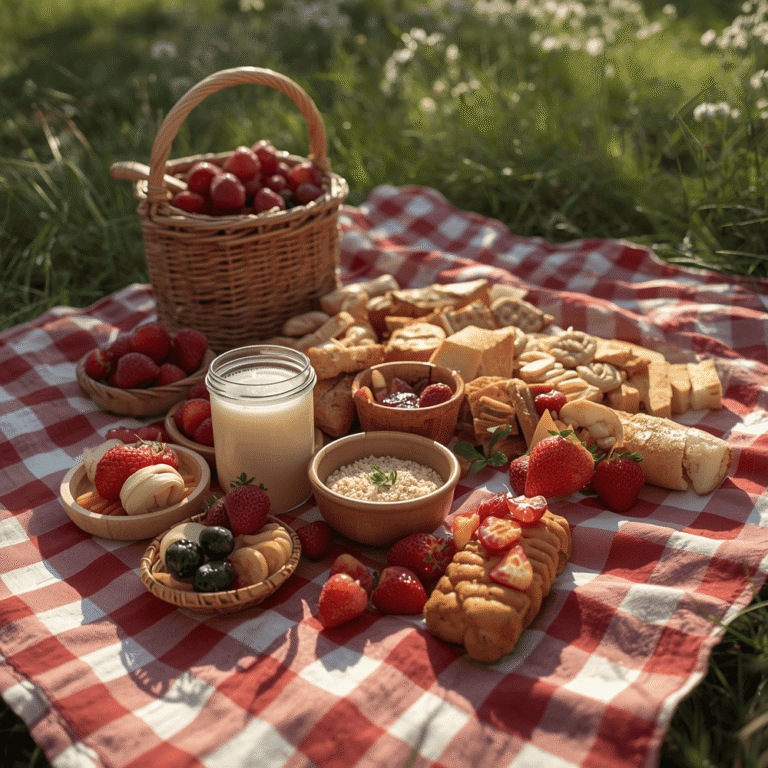
In a world where we can get strawberries in December and avocados flown in from across the globe, it’s easy to forget a fundamental pleasure: the taste of truly local, seasonal food. This isn’t just a trend; it’s a way to reconnect with your community, the planet, and the most delicious ingredients nature has to offer.

A Taste of Place: The Terroir Factor

Have you ever noticed how a tomato bought at a roadside stand in August tastes completely different from one at a large grocery store in February? That incredible flavor difference is often described by the French term, terroir (pronounced tehr-WAHR), which means “a sense of place.”

When food is grown locally, it is harvested at its peak ripeness, allowing the natural sugars and nutrients to fully develop. When produce has to travel thousands of miles, it’s often picked before it’s ready, sacrificing flavor for durability. Eating local means eating the best-tasting version of that food.

 Supporting Your Community

Every time you buy from a local farmer, a farmers’ market, or a restaurant that sources locally, you’re doing more than just buying a meal—you’re investing in your neighbors.

  • Fewer Middlemen: More of your money goes directly to the person who grew your food.

  • Stronger Local Economy: These funds circulate within your community, supporting other local businesses.

  • Building Relationships: There’s a unique joy in knowing the person who grew your zucchini or milled your flour. It creates a connection that supermarket shopping simply can’t match.

 A Kinder Choice for the Planet

The journey your food takes from the farm to your fork is often called “food miles.” When you choose local, you dramatically reduce this distance, which in turn:

  • Lowers Carbon Emissions: Less fuel is used for transportation, refrigeration, and storage.

  • Reduces Waste: Local producers often use less packaging than massive distribution chains.


Three Simple Ways to Start Eating Local Today

  1. Visit Your Farmers’ Market: Make it a weekly ritual. Don’t go with a rigid shopping list; let the seasonal produce dictate what you cook this week.

  2. Look for Local Labels: In your regular grocery store, check the labels for the food’s origin. Many stores now have dedicated sections for local dairy, meat, and produce.

  3. Grow a Little: Even a small herb garden on a windowsill counts! There is nothing more local than food from your own backyard or balcony.

In our lightning-fast world, food often becomes an afterthought—a fuel stop between meetings, a quick fix grabbed on the run, or a distraction eaten while scrolling. We’re excellent at consuming, but we’ve almost forgotten how to genuinely eat.

The antidote to this rush? Mindful eating.

Mindful eating isn’t a diet plan or a set of rigid rules; it’s a practice of bringing full, non-judgmental awareness to the sensory experience of eating. It’s about shifting the focus from the quantity of what’s on your plate to the quality of the experience.


 Why Should You Slow Down?

The benefits of trading your frantic fork for a thoughtful one extend far beyond the dinner table:

  • Better Digestion: Your body needs time to register that food is coming. Slowing down stimulates digestive enzymes and allows your brain and gut to communicate effectively, leading to less bloating and discomfort.

  • True Satisfaction: When you gulp down a meal, your brain often misses the “fullness cues.” Mindful eating allows the satiety hormones to kick in, helping you recognize true satisfaction and preventing the urge to overeat.

  • Enhanced Flavor: You’ll actually taste your food! Many of the complex notes in your favorite dishes are lost when you’re distracted. Savoring each ingredient unlocks a depth of flavor you didn’t know existed.

  • Reduced Stress: Eating mindfully forces a pause in your day. It transforms a routine chore into a moment of self-care and relaxation.


Three Simple Steps to Begin Your Mindful Journey

You don’t need a meditation cushion or an hour of silence to start. Integrating mindfulness can begin with your very next meal:

  1. Eliminate the Distractions: Turn off the screen. Put down the phone, close the laptop, and turn off the TV. Dedicate the five, ten, or twenty minutes of your meal solely to the act of eating.

  2. Engage All Five Senses: Before you even take a bite, spend 30 seconds observing your meal.

    • Sight: Notice the colors, the textures, and the way the ingredients are arranged.

    • Smell: Inhale the aromas. How do the scents change as you move the plate closer?

    • Sound: Listen to the sound of chewing, the clink of your utensils, or the gentle pour of a drink.

    • Touch: How does the food feel on your tongue? What is the temperature?

    • Taste: Focus on the initial flavor, the mid-palate complexity, and the lingering aftertaste.

  3. Chew, Really Chew: This is the game-changer. Put your utensil down between bites. Chew until the food is almost liquid. Notice the texture change as it breaks down. Only after swallowing should you pick up your fork for the next bite.


 The Takeaway

Food is more than just calories; it’s nourishment, culture, and pleasure. By practicing the unhurried bite, you don’t just eat slower—you begin to live slower, tasting and appreciating the moment you’re in.

Food is much more than mere sustenance. It’s a universal language, a cornerstone of culture, and a daily opportunity for pleasure and health. Yet, in our fast-paced world, it’s easy to treat eating as a chore—something to rush through between tasks.

It’s time to reclaim the joy of food. Let’s explore how we can shift our perspective, making every meal an intentional act of nourishment for both body and soul.


1. 🍽️ The Power of Presence: Mindful Eating

How often do you eat lunch while scrolling on your phone, or dinner while watching TV? Distracted eating disconnects you from the experience and can lead to overconsumption.

Mindful eating is a simple practice that can revolutionize your relationship with food:

  • Engage Your Senses: Before you even take a bite, look at the color, texture, and presentation of your meal. Inhale the aroma.

  • Chew Slowly: Savor the flavor, noticing the subtle tastes and changes in texture as you chew.

  • Listen to Your Body: Pay attention to the signals of fullness. It takes time for your stomach to tell your brain it’s satisfied. Putting your fork down between bites can help.


2. 🌱 Beyond the Calories: The Source Matters

We often focus solely on macronutrients (carbs, protein, fat) and calorie counts, but the origin and quality of your food play a huge role in its benefit.

  • Eat the Rainbow: Prioritize a variety of whole, unprocessed foods. The vibrant colors in fruits and vegetables are a sign of different vitamins, minerals, and disease-fighting antioxidants.

  • Seek Out Whole Foods: Choose an apple over apple juice, and brown rice over white bread. Whole foods retain their natural fiber, which aids digestion and promotes a feeling of fullness.

  • The Local Link: If possible, purchase ingredients from local farmers’ markets. Food picked at the peak of ripeness not only tastes better but often retains more nutrients than produce that traveled across the country.


3. 👩‍🍳 The Therapeutic Ritual of Cooking

Cooking can feel like a burden when you’re tired, but view it instead as a creative, relaxing ritual. The act of preparing a meal allows you to slow down and connect with the ingredients.

  • Control Your Plate: Cooking at home gives you complete control over the ingredients, particularly things like added sugars, salts, and unhealthy fats found in many pre-packaged or restaurant meals.

  • Build Your Skills: Start small. Master one simple, healthy recipe—a perfect omelet, a hearty lentil soup—and gradually expand your repertoire. The confidence you gain is rewarding.

  • Share the Love: Food is inherently social. Preparing a meal for friends or family turns simple nourishment into a shared experience and a moment of connection.

  • #Foodie

  • #FoodBlog

  • #EatWell

  • #HealthyLiving

  • #VibesChanger
  • #BuzzCreatorsDigitalMedia

Some foods don’t just fill your stomach—they fill your heart. They remind you of warmth, safety, and moments you didn’t even know you missed. No matter where you travel or how busy life becomes, there’s always that one dish that brings you back to yourself.

The Quiet Power of Comfort Food

Comfort food isn’t defined by ingredients. It’s defined by emotion. For some, it’s a bowl of creamy pasta after a long day. For others, it’s a cup of karak tea shared with friends at midnight. These foods carry stories—moments of joy, nostalgia, or even healing.

When life feels overwhelming, the familiar taste of a favorite dish has a unique way of grounding us.

Flavors That Travel Through Generations

Every kitchen has secrets. The pinch of spice your grandmother always added “just because,” or the way your father grilled meat during family gatherings—these little details become traditions without us realizing it.

Recipes aren’t just instructions; they’re histories. They carry the wisdom, creativity, and love of the people who cooked them before us.

Food Trends Come and Go, But Meaning Stays

The world is always discovering new flavors—fusion cuisine, viral food hacks, air-fried everything. Trends make eating fun, but the true essence of food never changes: it is meant to nourish, connect, and delight.

Behind every trend is a deeper desire to explore and innovate. Food evolves just as we do.

Simplicity Often Tastes the Best

Sometimes the most unforgettable meals are the simplest ones. Fresh bread with butter. Warm rice and lentils. A perfectly ripe mango on a hot afternoon.

These foods remind us that joy doesn’t always need to be complicated. Sometimes, the purest flavor is also the most memorable.

Shared Meals Create Stronger Bonds

Think about your favorite memories—they probably involve people gathering around a table. Food brings people closer without needing grand gestures. A shared meal builds trust, opens conversations, and creates moments that stay with us for years.

In a world full of distractions, eating together remains one of the most genuine forms of connection.

#ComfortFood
#FoodFeelsLikeHome
#HomeCooking
#SoulFood
#FoodStories

#VibesChanger

#BuzzCreatorsDigitalMedia
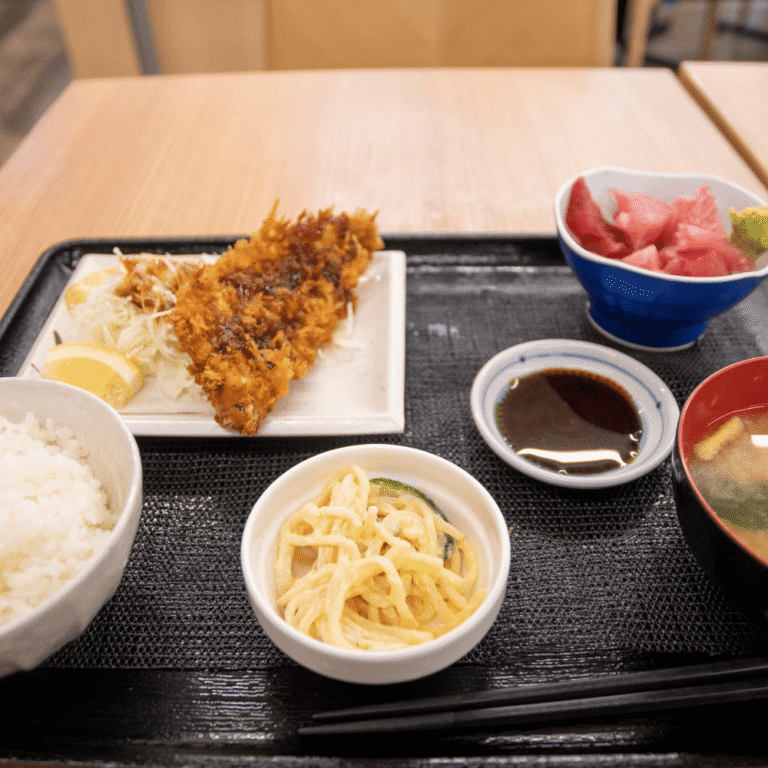
In today’s fast-paced world, it’s easy to see food as merely fuel—something to be consumed quickly before moving on to the next task. But what if we paused for a moment and recognized the true power and profound pleasure that lies in the simple act of eating well? Food is not just sustenance; it’s connection, culture, and a cornerstone of holistic well-being.


The Power of “Whole”

When we talk about wholesome food, we’re not talking about restrictive diets or complicated trends. We’re talking about food in its most natural, unprocessed state. Think vibrant fruits, crisp vegetables, hearty whole grains, and lean sources of protein.

  • Vitamins and Minerals: Whole foods are packed with the essential micronutrients your body needs to thrive. A colorful plate isn’t just visually appealing—it’s a sign of a diverse range of vitamins (like C and A) and minerals (like iron and calcium) working together to support your immune system, energy levels, and bone health.

  • Fiber is Your Friend: Grains, legumes, and produce are rich in fiber, which is crucial for digestive health, managing blood sugar, and keeping you feeling full and satisfied.

  • Sustained Energy: Unlike highly processed foods that lead to a quick spike and crash, whole foods provide slow-releasing, sustained energy that powers you through your busy day without the dreaded afternoon slump.


🌱 Eating Well Doesn’t Mean Eating Hard

The myth that healthy eating is complex, expensive, and time-consuming is simply that—a myth. Embracing a wholesome diet is about making small, mindful swaps that add up to big benefits.

Swap This… For This! The Benefit
White Rice/Bread Quinoa, Brown Rice, or Whole Wheat Bread Higher fiber and protein content for better satiety.
Sugary Drinks/Soda Water infused with Lemon, Mint, or Berries Eliminates empty calories and improves hydration.
Packaged Snack Bars A Handful of Nuts and Dried Fruit, or an Apple Fewer additives; more healthy fats and natural sweetness.
Butter/Heavy Cream Avocado, Olive Oil, or Greek Yogurt (in baking) Swapping saturated for heart-healthy unsaturated fats.


The Joy of the Table

Beyond the nutritional breakdown, let’s not forget the pure joy that food brings. Taking time to prepare a meal, share it with loved ones, or simply savoring a quiet moment with a home-cooked bowl of soup is an act of self-care and connection.

  • Mindful Eating: Try slowing down. Pay attention to the colors, the textures, and the aromas. When we eat mindfully, we enjoy our food more and are better attuned to our body’s signals of hunger and fullness.

  • Embrace Imperfection: Don’t stress over perfection. If you have a busy week, a simple meal of roasted chicken and pre-cut salad is a win! Food should be a source of pleasure, not pressure.

Ultimately, your relationship with food is one of the most important relationships you’ll ever have. Choose to make it a positive, nourishing, and joyful one.

#WholesomeFood

#HealthyEating

#NourishYourBody

#EatWellFeelWell

#FoodForThought

#VibesChanger

#BuzzCreatorsDigitalMedia

Food is more than something we eat to survive — it’s a universal language that speaks to everyone, no matter where they come from. From family gatherings to global festivals, food has the power to bring people together, create joy, and share stories that words sometimes cannot express.

A Taste of Tradition

Every dish carries a history. Recipes are often passed down through generations, preserving memories and traditions. When a grandmother teaches her grandchildren how to make a favorite recipe, she’s not just teaching them to cook — she’s passing on a piece of family history.

Think of the aroma of freshly baked bread, the warmth of a bowl of soup, or the excitement of tasting something new. These experiences connect us to our roots while inviting us to explore the world’s diversity.

Food and Well-Being

The saying “You are what you eat” holds a lot of truth. What we consume directly affects how we feel, both physically and mentally. A balanced diet rich in fruits, vegetables, whole grains, and proteins helps keep our bodies strong and our minds sharp.

Healthy eating isn’t about restriction — it’s about balance. Treating yourself occasionally is part of enjoying life, as long as you nourish your body with the right foods most of the time.

The Art of Flavor

Cooking is one of the purest forms of creativity. With just a few ingredients, we can craft something extraordinary. A pinch of spice here, a splash of sauce there — every small change transforms a dish into something unique.

Each culture has its own flavor profile that reflects its climate and resources. Spices in Indian cuisine add warmth and depth, while Japanese dishes emphasize subtlety and freshness. Exploring these differences helps us appreciate the beauty of culinary diversity.

Sustainable Eating

A Step Toward a Better Future

In a world facing climate challenges, how we eat matters. Choosing locally grown produce, reducing food waste, and supporting eco-friendly farming can make a huge difference. Even small actions — like composting leftovers or opting for plant-based meals a few times a week — contribute to a healthier planet.

Food sustainability isn’t just a trend; it’s a responsibility. By making mindful choices, we can protect both our health and the Earth.

Conclusion

Food is emotion. It’s comfort on a rainy day, celebration at a party, and love served on a plate. It tells stories, builds connections, and reminds us that, despite our differences, we all share the same basic joy — the joy of eating.

So, next time you sit down for a meal, slow down. Savor each bite. Appreciate the hands that grew, cooked, and served your food. In doing so, you’ll realize that food is not just about taste — it’s about connection.

#FoodCulture
#GlobalCuisine
#FoodLovers
#FoodieCommunity
#CulinaryJourney

#VibesChanger

#BuzzCreatorsDigitalMedia