Category

Food

Category

In today’s fast-paced world, it’s easy to see food as merely fuel—something to be consumed quickly before moving on to the next task. But what if we paused for a moment and recognized the true power and profound pleasure that lies in the simple act of eating well? Food is not just sustenance; it’s connection, culture, and a cornerstone of holistic well-being.


The Power of “Whole”

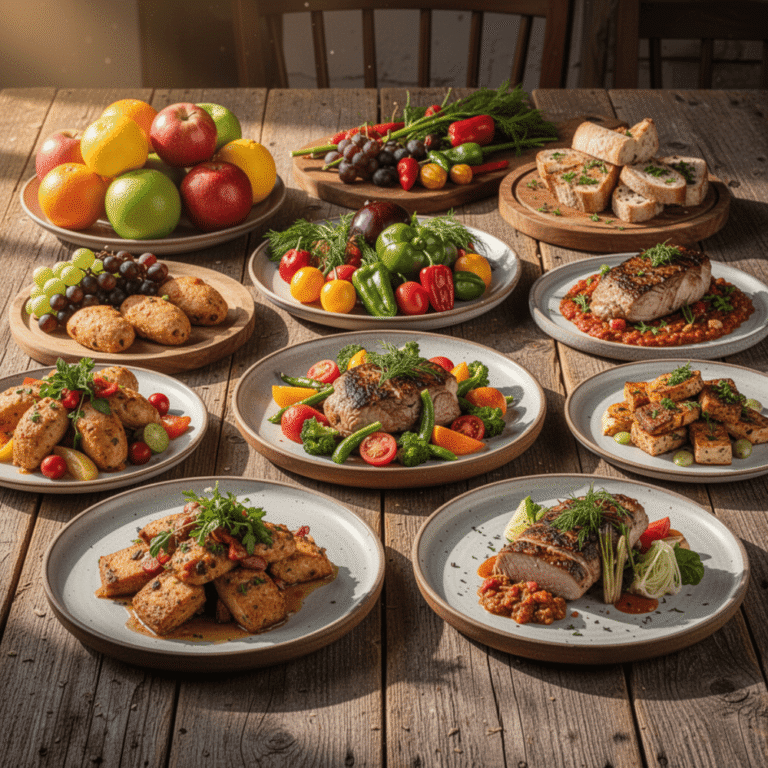
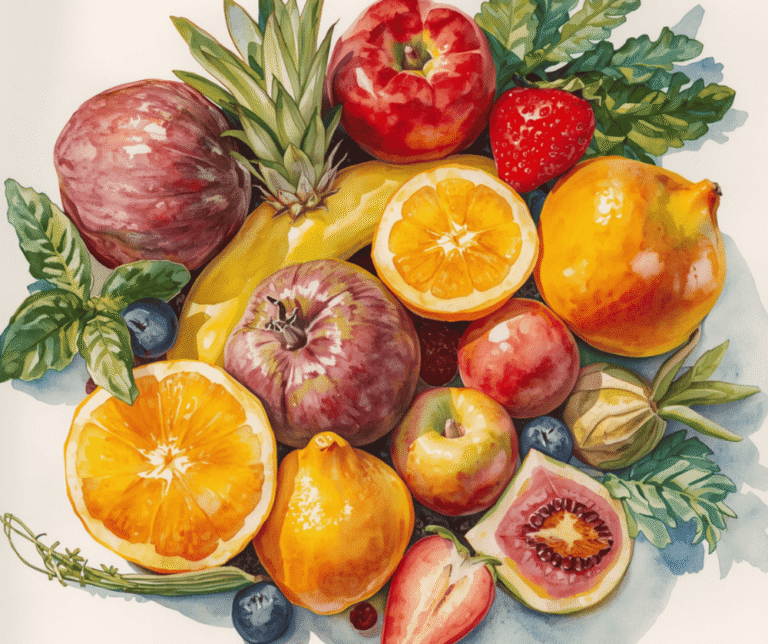
When we talk about wholesome food, we’re not talking about restrictive diets or complicated trends. We’re talking about food in its most natural, unprocessed state. Think vibrant fruits, crisp vegetables, hearty whole grains, and lean sources of protein.

  • Vitamins and Minerals: Whole foods are packed with the essential micronutrients your body needs to thrive. A colorful plate isn’t just visually appealing—it’s a sign of a diverse range of vitamins (like C and A) and minerals (like iron and calcium) working together to support your immune system, energy levels, and bone health.

  • Fiber is Your Friend: Grains, legumes, and produce are rich in fiber, which is crucial for digestive health, managing blood sugar, and keeping you feeling full and satisfied.

  • Sustained Energy: Unlike highly processed foods that lead to a quick spike and crash, whole foods provide slow-releasing, sustained energy that powers you through your busy day without the dreaded afternoon slump.


🌱 Eating Well Doesn’t Mean Eating Hard

The myth that healthy eating is complex, expensive, and time-consuming is simply that—a myth. Embracing a wholesome diet is about making small, mindful swaps that add up to big benefits.

Swap This… For This! The Benefit
White Rice/Bread Quinoa, Brown Rice, or Whole Wheat Bread Higher fiber and protein content for better satiety.
Sugary Drinks/Soda Water infused with Lemon, Mint, or Berries Eliminates empty calories and improves hydration.
Packaged Snack Bars A Handful of Nuts and Dried Fruit, or an Apple Fewer additives; more healthy fats and natural sweetness.
Butter/Heavy Cream Avocado, Olive Oil, or Greek Yogurt (in baking) Swapping saturated for heart-healthy unsaturated fats.


The Joy of the Table

Beyond the nutritional breakdown, let’s not forget the pure joy that food brings. Taking time to prepare a meal, share it with loved ones, or simply savoring a quiet moment with a home-cooked bowl of soup is an act of self-care and connection.

  • Mindful Eating: Try slowing down. Pay attention to the colors, the textures, and the aromas. When we eat mindfully, we enjoy our food more and are better attuned to our body’s signals of hunger and fullness.

  • Embrace Imperfection: Don’t stress over perfection. If you have a busy week, a simple meal of roasted chicken and pre-cut salad is a win! Food should be a source of pleasure, not pressure.

Ultimately, your relationship with food is one of the most important relationships you’ll ever have. Choose to make it a positive, nourishing, and joyful one.

#WholesomeFood

#HealthyEating

#NourishYourBody

#EatWellFeelWell

#FoodForThought

#VibesChanger

#BuzzCreatorsDigitalMedia
Food is more than something we eat to survive — it’s a universal language that speaks to everyone, no matter where they come from. From family gatherings to global festivals, food has the power to bring people together, create joy, and share stories that words sometimes cannot express.

A Taste of Tradition

Every dish carries a history. Recipes are often passed down through generations, preserving memories and traditions. When a grandmother teaches her grandchildren how to make a favorite recipe, she’s not just teaching them to cook — she’s passing on a piece of family history.

Think of the aroma of freshly baked bread, the warmth of a bowl of soup, or the excitement of tasting something new. These experiences connect us to our roots while inviting us to explore the world’s diversity.

Food and Well-Being

The saying “You are what you eat” holds a lot of truth. What we consume directly affects how we feel, both physically and mentally. A balanced diet rich in fruits, vegetables, whole grains, and proteins helps keep our bodies strong and our minds sharp.

Healthy eating isn’t about restriction — it’s about balance. Treating yourself occasionally is part of enjoying life, as long as you nourish your body with the right foods most of the time.

The Art of Flavor

Cooking is one of the purest forms of creativity. With just a few ingredients, we can craft something extraordinary. A pinch of spice here, a splash of sauce there — every small change transforms a dish into something unique.

Each culture has its own flavor profile that reflects its climate and resources. Spices in Indian cuisine add warmth and depth, while Japanese dishes emphasize subtlety and freshness. Exploring these differences helps us appreciate the beauty of culinary diversity.

Sustainable Eating

A Step Toward a Better Future

In a world facing climate challenges, how we eat matters. Choosing locally grown produce, reducing food waste, and supporting eco-friendly farming can make a huge difference. Even small actions — like composting leftovers or opting for plant-based meals a few times a week — contribute to a healthier planet.

Food sustainability isn’t just a trend; it’s a responsibility. By making mindful choices, we can protect both our health and the Earth.

Conclusion

Food is emotion. It’s comfort on a rainy day, celebration at a party, and love served on a plate. It tells stories, builds connections, and reminds us that, despite our differences, we all share the same basic joy — the joy of eating.

So, next time you sit down for a meal, slow down. Savor each bite. Appreciate the hands that grew, cooked, and served your food. In doing so, you’ll realize that food is not just about taste — it’s about connection.

#FoodCulture
#GlobalCuisine
#FoodLovers
#FoodieCommunity
#CulinaryJourney

#VibesChanger

#BuzzCreatorsDigitalMedia
In a world that’s always rushing, cooking at home offers a peaceful pause — a chance to slow down, be creative, and connect with something real. Home cooking isn’t just about preparing meals; it’s an act of love, mindfulness, and self-expression.

Cooking as Therapy

There’s something calming about chopping vegetables, stirring a pot, or kneading dough. The simple motions can ease stress and help you focus on the present moment. For many people, cooking becomes a form of meditation — a way to unwind after a long day and find comfort in the familiar sounds and smells of the kitchen.

The Flavor of Creativity

Home cooking gives you the freedom to experiment. You can try new recipes, mix flavors, or add your own twist to traditional dishes. Maybe you turn leftover rice into fried rice with a few spices, or bake cookies with a surprise ingredient. Every dish you make reflects your personality, mood, and imagination.

Health and Well-Being

Cooking your own food means you know exactly what goes into it. You can choose fresh ingredients, reduce sugar and salt, and add more vegetables to your meals. Over time, this not only improves your physical health but also helps you build a better relationship with food — one based on balance and awareness, not restriction.

Bringing People Together

A homemade meal has the power to connect people. Whether it’s a family dinner, a potluck with friends, or a romantic meal for two, sharing something you’ve cooked adds a personal touch that takeout can never match. Food cooked with love carries a warmth that everyone can taste.

Small Steps to Start

You don’t need to be a chef to enjoy cooking. Start with simple recipes, keep your pantry stocked with basics, and don’t be afraid to make mistakes — that’s how you learn. The goal isn’t perfection; it’s to have fun and create something that makes you happy.

Final Thoughts

Home cooking reminds us that joy can be found in the simplest things — like the aroma of fresh herbs, the sizzle of onions in a pan, or the first bite of something you made yourself. In the kitchen, we rediscover not just flavors, but also a sense of peace and pride that comes from nourishing ourselves and others.

#HomeCooking
#CookingJoy
#KitchenHappiness
#FoodLovers
#CookingAtHome

#VibesChanger

#BuzzCreatorsDigitalMedia
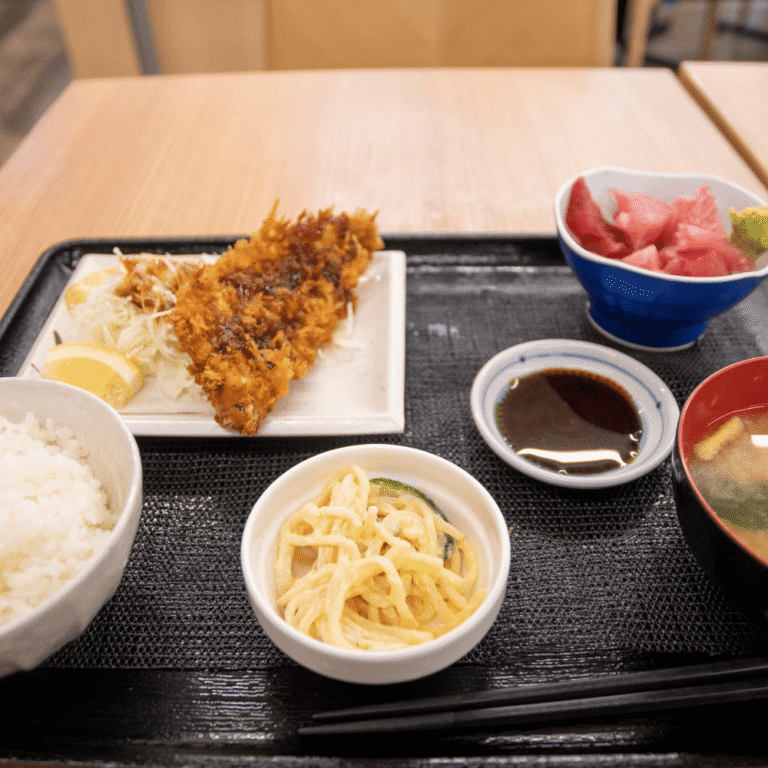
Food is more than just what we eat—it’s an experience, a language, and a bond that connects people around the world. From street vendors in Bangkok to cozy family kitchens in Italy, food has the power to unite people from every background and tell stories that words sometimes cannot.

🥖 The Universal Language of Taste

No matter where you go, food speaks to everyone. You might not understand a foreign language, but you can appreciate the sweetness of fresh fruit, the warmth of baked bread, or the spice of a curry. Each dish carries a piece of someone’s culture, offering a delicious way to understand their traditions and values.

🍅 The Role of Ingredients

Every ingredient has a purpose and a story. Fresh herbs add fragrance, spices bring excitement, and vegetables provide balance. The magic of food often lies in how simple elements come together to create something extraordinary. A tomato, some garlic, and a bit of olive oil can transform into a comforting sauce that has been loved for generations.

🧠 Food and Emotions

Food can change how we feel. A bowl of soup can comfort us on a rainy day, while a piece of chocolate can lift our mood instantly. Certain meals remind us of childhood, family, and home. That’s the beauty of food—it not only feeds the body but also nourishes the heart.

🌱 The Future of Eating

As the world changes, so does the way we eat. People are becoming more mindful of their food choices, choosing organic produce, plant-based diets, and sustainable sources. Technology is also reshaping our relationship with food, from smart kitchens to lab-grown meat. The future of food is exciting, filled with innovation and conscious choices.

🍰 Food Brings Us Together

At the end of the day, food connects us. It’s what we share at weddings, birthdays, and celebrations. It breaks barriers and builds friendships. Whether it’s a home-cooked meal or a street snack, food reminds us that happiness can often be found in the simplest bites.


In conclusion: Food is not just about eating—it’s about living. It carries history, emotion, and creativity on every plate. So next time you sit down for a meal, take a moment to appreciate not just the taste, but the journey that brought it to your table.

#FoodLovers#FoodCulture#FoodieLife#TasteTheWorld#FoodIsLife#VibesChanger#BuzzCreatorsDigitalMedia

Food is much more than fuel for the body — it’s a universal language that connects people, cultures, and emotions. Every dish tells a story, reflecting the traditions, history, and creativity of those who prepare it. From the comforting aroma of homemade bread to the bold spices of international cuisine, food has the power to bring people together and create lasting memories.

In today’s fast-paced world, our relationship with food has evolved. While convenience and speed often shape our eating habits, there’s a growing movement back toward mindful eating and fresh, locally sourced ingredients. People are rediscovering the joy of cooking at home, experimenting with flavors, and appreciating the craftsmanship that goes into every meal.

Food also plays a key role in health and well-being. A balanced diet not only nourishes the body but also supports mental clarity and emotional balance. Superfoods like avocados, berries, and nuts are celebrated for their nutritional benefits, but true wellness comes from variety — enjoying a colorful plate that satisfies both the body and the soul.

Ultimately, food is an experience — one that engages all the senses. The sight, smell, and taste of a delicious meal can instantly transport us to another time or place. Whether it’s a family dinner, a street food adventure, or a fine dining experience, food continues to remind us of life’s simple pleasures and the importance of sharing them with others.

#FoodArt

#CulinaryArt

#Gastronomy

#FoodIsArt

#EdibleArt

#VibesChanger

#BuzzCreatorsDigitalMedia
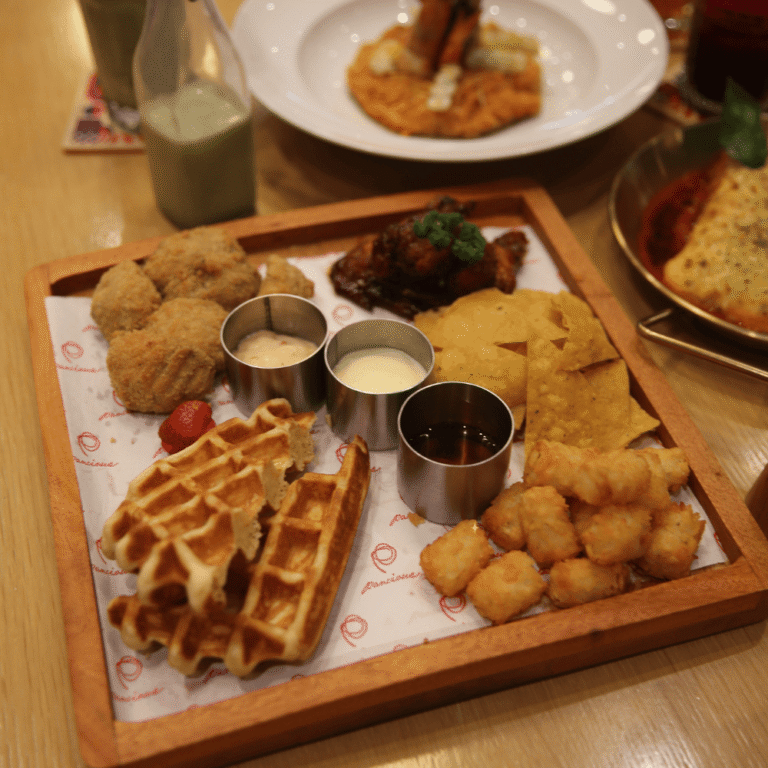
In recent years, plant-based diets have moved from the fringes of food culture to the mainstream. What was once seen as a niche lifestyle choice has become a global movement, embraced by people from all walks of life. Whether it’s for health, environmental concerns, or ethical reasons, more individuals are rethinking the way they eat—and turning to plants.

But what exactly is a plant-based diet, and why is it becoming so popular?

What Is a Plant-Based Diet?

A plant-based diet focuses primarily on foods derived from plants. This includes fruits, vegetables, whole grains, legumes, nuts, and seeds. While it doesn’t always mean giving up animal products entirely, many people who adopt this way of eating reduce or eliminate meat, dairy, and eggs from their meals.

There are different variations, such as vegetarianism (no meat), veganism (no animal products at all), and flexitarianism (mostly plant-based with occasional animal products). The common thread is the emphasis on whole, minimally processed plant foods.

The Health Benefits

One of the biggest reasons people switch to a plant-based diet is for health. Studies have shown that eating more plants can:

  • Lower the risk of heart disease

  • Improve cholesterol levels

  • Reduce the chances of developing type 2 diabetes

  • Aid in weight management

  • Support a healthier gut

Plant-based diets are naturally rich in fiber, vitamins, and antioxidants. They tend to be lower in saturated fat and cholesterol, making them heart-friendly and beneficial for overall well-being.

A Greener Planet on Your Plate

Beyond personal health, many are motivated by environmental concerns. The food industry—particularly animal agriculture—has a significant impact on the planet. It’s a major contributor to greenhouse gas emissions, deforestation, and water usage.

By choosing plant-based options, consumers can reduce their carbon footprint and contribute to a more sustainable food system. In fact, research has shown that even small shifts toward plant-based eating can lead to meaningful environmental benefits.

Ethical Considerations

For some, the choice is about compassion. Concerns over animal welfare have led many to reconsider the ethical implications of consuming meat and animal products. Documentaries, social media, and increased transparency in the food industry have made it easier for people to make informed decisions about where their food comes from.

Plant-Based Innovation

As demand grows, so does innovation. The plant-based food industry is booming. Supermarkets are now stocked with meatless burgers, dairy-free cheeses, oat milk, and plant-based snacks that mimic the taste and texture of traditional animal products.

Even fast-food chains and fine dining restaurants are offering plant-based options to meet customer demand. What was once difficult to find is now widely available and often just as satisfying as the original.

Tips for Transitioning

Thinking of adding more plants to your plate? Here are a few simple tips:

  1. Start slow – Begin with one plant-based meal a day or try “Meatless Mondays.”

  2. Explore new ingredients – Try lentils, chickpeas, tofu, quinoa, and a variety of vegetables.

  3. Experiment with spices and herbs – These bring flavor and excitement to plant-based dishes.

  4. Find balance – Aim for meals that are filling and nutritionally balanced.

  5. Don’t stress about perfection – Every small step counts.


Final Thoughts

The rise of plant-baseddiets reflects a larger shift in how we think about food. It’s not just about what tastes good—it’s about what feels right for our bodies, our planet, and our values. Whether you go fully plant-based or simply add more greens to your plate, the benefits are real and far-reaching.

After all, eating more plants isn’t just a trend—it’s a lifestyle rooted in health, sustainability, and conscious living.

#HealthyEating

#NutritionMatters

#CleanEating

#HealthyLifestyle

#FoodAsMedicine

#VibesChanger

#BuzzCreatorsDigitalMedia
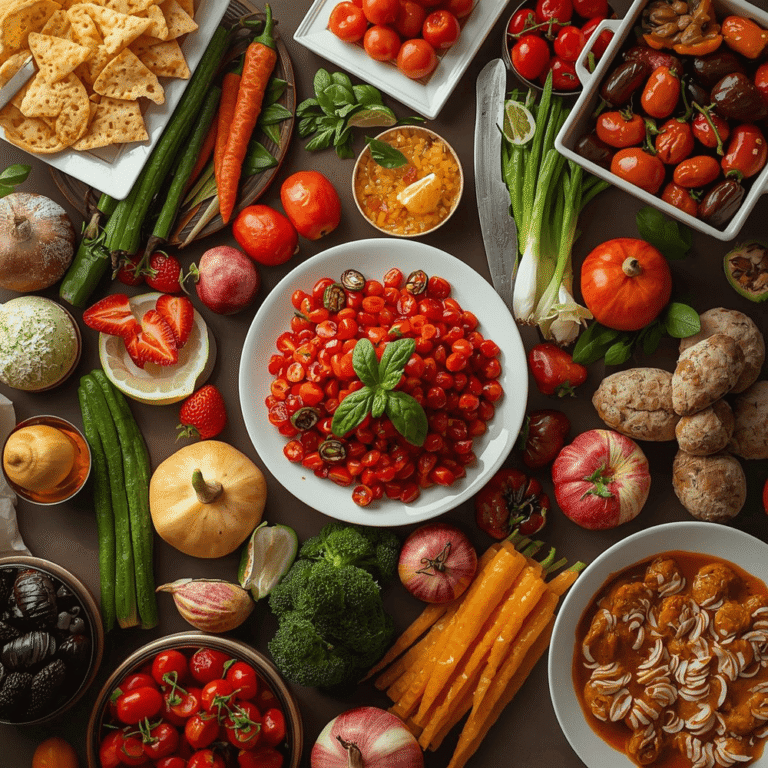
Food is more than just fuel for our bodies — it’s an experience that brings people together, tells stories of culture and history, and sparks joy in everyday life. From a comforting bowl of soup to a five-course gourmet meal, food plays a central role in how we live, celebrate, and connect with others.

Food as Culture

Every dish has a story. Whether it’s the hand-rolled pasta in Italy or the richly spiced biryani in India, food carries the traditions and values of a culture. Recipes are passed down through generations, often with a personal twist, preserving heritage while allowing room for creativity.

Traveling the world through food is one of the most accessible ways to experience new cultures. A bite of sushi tells a tale of precision and balance from Japan, while a Moroccan tagine offers layers of spices and slow-cooked comfort. Exploring global cuisines helps us appreciate diversity and understand people in a deeper, more delicious way.

The Social Side of Food

Food is a natural connector. Families gather around dinner tables, friends meet over coffee, and communities celebrate with feasts during festivals and holidays. Sharing a meal breaks down barriers and encourages conversation.

Even in modern digital times, food remains central to social interaction. Think of food blogs, recipe-sharing on social media, or even virtual cooking classes — people are constantly finding ways to connect through what they eat and how they prepare it.

Health and Well-Being

In recent years, the focus on healthy eating has grown significantly. People are becoming more aware of what they put into their bodies, looking beyond taste to consider nutrition, ingredients, and long-term wellness. Balanced diets, plant-based alternatives, and functional foods that support digestion, immunity, and energy are now part of mainstream conversations.

But healthy eating doesn’t have to mean boring meals. With access to countless recipes and fresh ingredients, it’s easier than ever to prepare meals that are both nourishing and satisfying.

The Future of Food

As the world changes, so do our eating habits. Sustainability is now a key concern, with growing interest in locally sourced ingredients, eco-friendly packaging, and reducing food waste. Technological advances are also reshaping the way we grow, cook, and consume food — from lab-grown meat to vertical farming and AI-powered kitchen gadgets.

We’re entering an era where convenience meets consciousness. People want food that is quick, ethical, healthy, and still bursting with flavor.

Conclusion

Food is more than just a necessity — it’s a celebration of life. It reflects who we are, where we come from, and how we connect with others. Whether you’re a foodie exploring new flavors, a home cook experimenting in the kitchen, or someone simply enjoying a favorite comfort dish, remember: every meal is an opportunity to experience something meaningful.


#FoodJourney
#TasteTheWorld
#CulturalCuisine
#FoodAndCulture
#GlobalFlavors
#FoodStories
#VibesChanger
#BuzzCreatorsDigitalMedia

Food is one of the few universal experiences we all share. It nourishes our bodies, brings people together, and tells the story of our cultures and traditions. From a warm bowl of soup on a cold day to a celebratory feast with friends, food goes far beyond simply satisfying hunger—it’s an essential part of life’s most meaningful moments.

A Cultural Connection

Every dish has a story. The spices in Indian curry, the slow-cooked meats in Mexican tacos, or the delicate flavors in Japanese sushi all reflect centuries of history, migration, and innovation. When we eat food from different regions, we aren’t just tasting ingredients—we’re sampling culture, identity, and heritage.

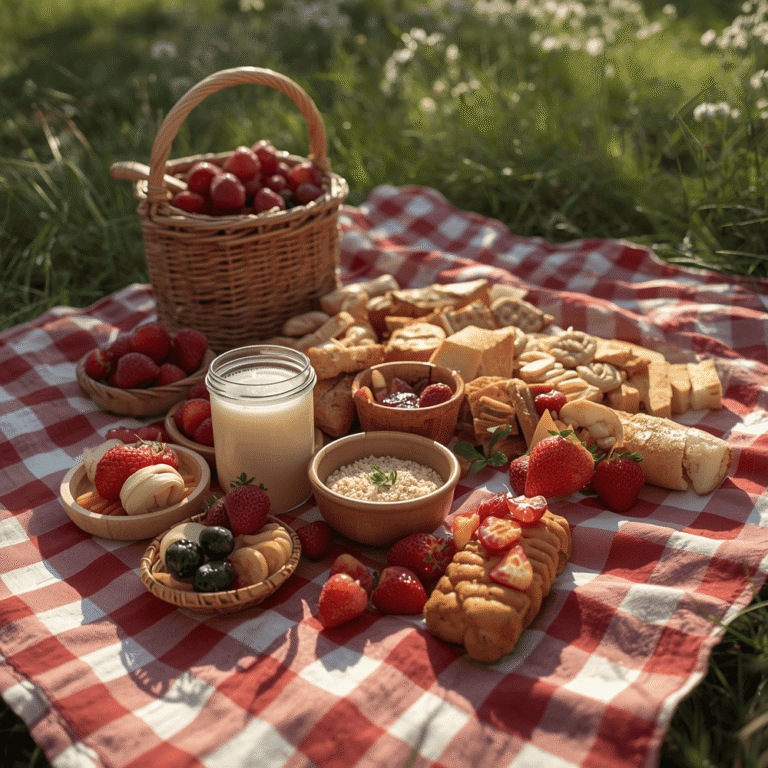
Sharing meals is one of the oldest ways humans have built community. Whether it’s a holiday dinner or a casual picnic in the park, food brings people together across language, borders, and backgrounds.

Eating with Purpose

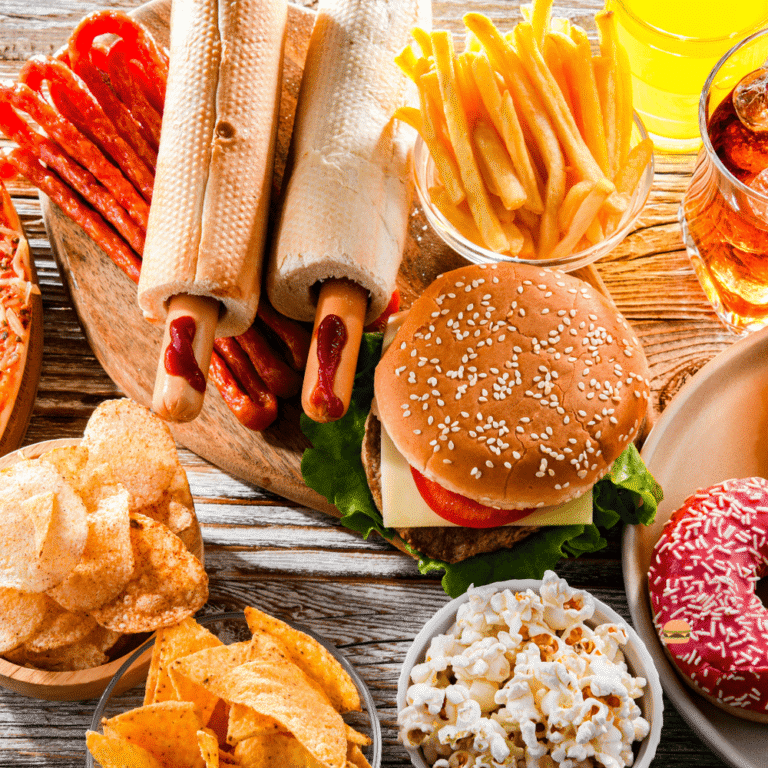
In today’s fast-paced world, convenience often takes priority over quality. Fast food, processed snacks, and sugary drinks dominate many diets. While there’s nothing wrong with enjoying a treat once in a while, it’s important to remember the benefits of eating wholesome, balanced meals.

A healthydiet can boost energy, support mental clarity, and reduce the risk of chronic illness. Whole foods like fruits, vegetables, whole grains, and lean proteins provide the nutrients our bodies need to function at their best.

Mindful eating—paying attention to what you eat and how it makes you feel—can also transform your relationship with food. It’s not just about what’s on the plate, but how you experience it.

Food as Creativity

Cooking isn’t just a necessity; it’s also an art form. From plating to flavor combinations, preparing a meal can be an expression of creativity and love. Even if you’re not a professional chef, experimenting in the kitchen can be a fun and rewarding experience.

Trying new recipes, blending unexpected ingredients, or even growing your own herbs can deepen your appreciation for the food you eat. It encourages curiosity and a stronger connection to the process behind each bite.

Final Thoughts

Food is more than fuel—it’s a bridge between cultures, a form of self-care, and a celebration of life’s simple pleasures. Whether you’re cooking at home, dining out, or sharing a meal with loved ones, take a moment to savor the flavors, stories, and connections on your plate.

After all, food is not just what we eat—it’s how we live.

#TheJoyOfFood

#MoreThanAMeal

#FoodForJoy

#EatWithJoy

#VibesChanger

#BuzzCreatorsDigitalMedia
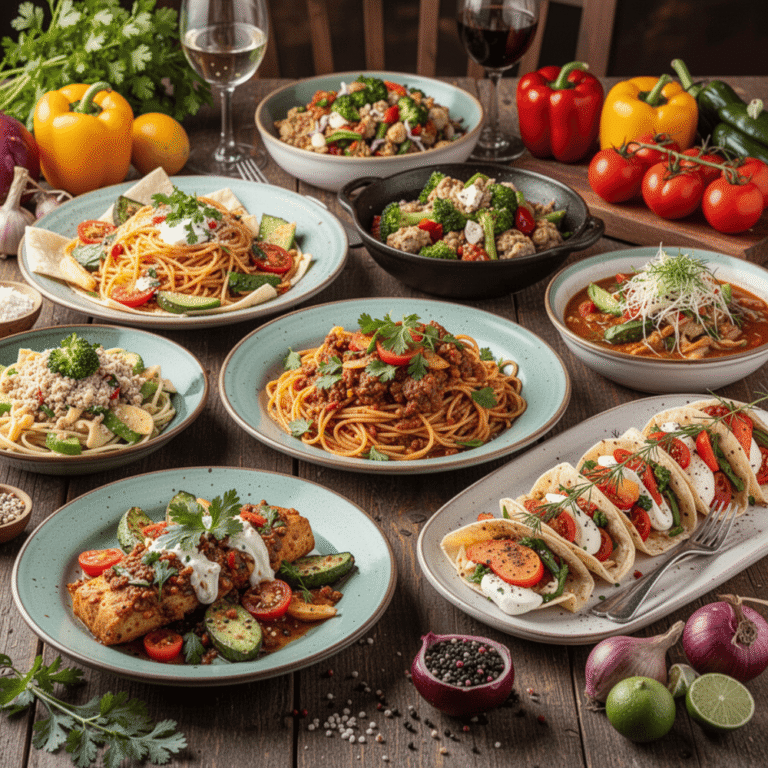
Food is far more than just fuel for the body — it’s a language of culture, a symbol of togetherness, and a sensory experience that connects us to memories, people, and places. Whether it’s a home-cooked dish passed down through generations or a quick snack grabbed on the go, food tells a story.

The Cultural Connection

Every culture has its own unique relationship with food. From Italian pasta to Japanese sushi, from spicy Indian curries to French pastries, the diversity in global cuisine reflects the history, geography, and values of different societies. Sharing meals is one of the oldest ways humans bond. Traditional recipes are often handed down like heirlooms, keeping cultural identities alive even across generations and continents.

The Role of Food in Our Lives

In our busy modern lives, food often becomes routine — something we grab quickly between meetings or school runs. But slowing down to enjoy a meal can be a powerful form of self-care. Cooking at home, for instance, allows us to be creative, make healthier choices, and appreciate what we eat more mindfully.

Food also plays a central role in celebrations and life events. Think about birthdays, weddings, holidays — food is always at the heart of it all. It’s a way to gather, to comfort, and to show love.

Trends in the Food World

In recent years, food trends have taken center stage — from plant-based diets and gluten-free alternatives to the rise of farm-to-table dining and sustainable eating. Social media has also transformed how we interact with food. Instagram-worthy meals, TikTok recipe hacks, and viral food challenges are now a regular part of culinary culture.

While trends come and go, the focus on health and sustainability seems to be here to stay. More people are becoming conscious of where their food comes from and how it impacts both their health and the environment.

Food as an Experience

Food engages all five senses. The aroma of fresh-baked bread, the sound of sizzling stir-fry, the visual appeal of colorful salads, the texture of creamy desserts, and of course, the taste — each element adds to the overall experience.

Trying new dishes, experimenting with ingredients, or visiting local restaurants can turn a regular day into an adventure. Even travel is often planned around what and where to eat — because some of the best memories are made around the table.


Final Thoughts

Food is a powerful part of the human experience. It’s not just about survival — it’s about connection, creativity, and joy. So whether you’re enjoying a humble home-cooked meal or exploring a new cuisine, remember to savor every bite. Because in the end, food isn’t just about what’s on the plate — it’s about how it makes you feel.

#TheJoyOfFood

#MoreThanJustAMeal

#FoodIsJoy

#EatWithJoy

#FoodForThought

#VibesChanger

#BuzzCreatorsDigitalMedia
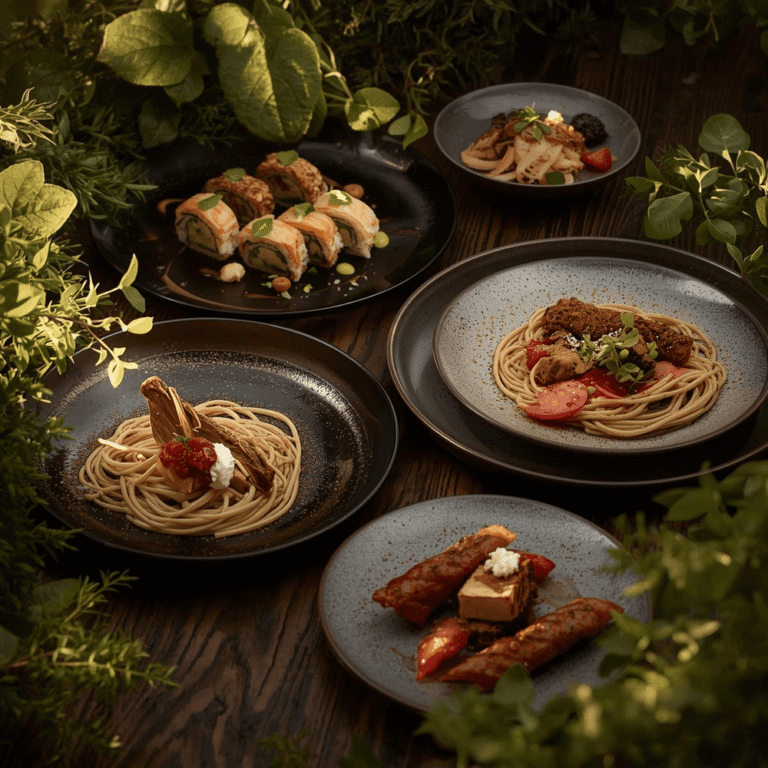
Food is much more than just sustenance. It’s an integral part of our lives, shaping our health, emotions, social connections, and even our identities. From the comforting aromas of home-cooked meals to the cutting-edge advancements in food science, the world of food is as diverse and dynamic as the cultures that cultivate it.

A Journey Through Time: The Evolution of Food

Food has always been at the heart of human civilization. In the earliest days, survival dictated our diet—what we could hunt, gather, and cultivate. As societies developed, so did their culinary practices. Ancient civilizations like Egypt, Greece, and China all contributed to the global tapestry of cuisine, exchanging ingredients, cooking techniques, and flavors along the way.

Fast forward to today, and food has transformed into an art form. Cooking shows, food photography, and social media have elevated culinary craftsmanship to new heights. Chefs are now celebrities, and every meal has the potential to go viral. But despite this modern sophistication, the fundamental role of food remains the same: to nourish, bring people together, and tell stories.

The Intersection of Culture and Cuisine

One of the most fascinating aspects of food is its deep connection to culture. Every dish has a story—whether it’s the rich history behind a bowl of Italian pasta, the complex flavors of Indian curry, or the communal joy of a Mexican fiesta. Food acts as a bridge, connecting us to our past, to our roots, and to the people we share meals with.

Globalization has also played a significant role in blending culinary traditions. Sushi, once a Japanese delicacy, is now enjoyed worldwide, while tacos have found their place in cities across the globe. This fusion of flavors is not just about mixing ingredients; it’s about breaking down barriers and creating new experiences. The beauty of food is its ability to evolve while maintaining a sense of tradition.

Health and Wellness: Eating with Purpose

In recent years, there has been a growing focus on the health aspects of food. As awareness around nutrition and well-being increases, people are becoming more conscious of what they eat. Diet trends such as plant-based eating, keto, paleo, and intermittent fasting are shaping how we approach meals. However, this movement isn’t just about restriction—it’s about balance, mindfulness, and listening to our bodies.

At the same time, the rise of food-related health concerns—such as food allergies, intolerances, and chronic conditions like diabetes—has led to greater innovation in the food industry. Gluten-free, dairy-free, and low-sugar options are more accessible than ever, allowing people to enjoy a variety of dishes without compromising their health.

Sustainability and the Future of Food

As the world’s population continues to grow, sustainability has become a crucial topic in food production. The environmental impact of farming, livestock production, and food waste is at the forefront of conversations about the future of food. As a result, many are turning to alternative sources of protein, such as plant-based products and lab-grown meat, to meet the growing demand for food while minimizing harm to the planet.

Innovative agricultural practices, like vertical farming and hydroponics, are also revolutionizing how we grow our food. These methods allow us to cultivate crops more efficiently and in areas that were previously unsuitable for traditional farming. As technology continues to improve, the way we produce and consume food will likely change dramatically in the coming decades.

The Joy of Sharing Food

At its core, food is about connection. It’s about gathering around the table with family and friends, sharing a meal, and creating memories. Food is a universal language that transcends borders and brings people together, no matter their background or beliefs. Whether it’s a festive dinner, a simple family meal, or a spontaneous gathering with friends, food has a unique way of fostering relationships.

In a world that can often feel divided, food remains a common ground—a reminder that no matter where we come from, we all need nourishment, we all enjoy flavor, and we all share in the experience of eating.

Conclusion: The Endless Possibilities of Food

Food is an ever-evolving journey. It’s a canvas for creativity, a reflection of cultural identity, and a source of nourishment for both the body and soul. Whether we’re exploring the latest food trend, savoring a family recipe passed down through generations, or making sustainable choices for the future, food continues to play a pivotal role in our lives.

As we look ahead, one thing is certain: the world of food will continue to surprise, delight, and inspire. From the everyday meals that bring comfort to the innovations that shape our future, food will always be at the heart of our shared human experience.

#FoodCulture
#CulinaryJourney
#GlobalFlavors
#FoodInnovation
#EatTheWorld
#VibesChanger
#BuzzCreatorsDigitalMedia