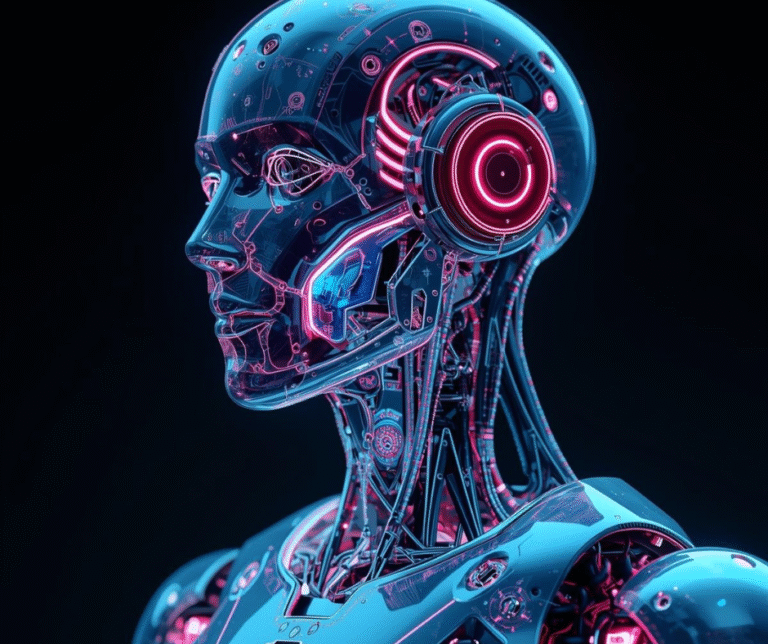
Artificial Intelligence (AI) has become one of the most powerful forces shaping our modern world. From virtualassistants that simplify daily tasks to complex algorithms driving self-driving cars, AI is revolutionizing the way we live, work, and connect. What was once a futuristic idea is now deeply woven into our everyday lives, driving innovation across almost every industry.
At its core, AI refers to the ability of machines to mimic human intelligence — learning from data, recognizing patterns, and making decisions. Machine learning and deep learning, two branches of AI, have enabled systems to continuously improve their performance without human intervention. Whether it’s healthcare, finance, education, or entertainment, AI is helping organizations become more efficient and customer-focused.
One of the most remarkable aspects of AI is its adaptability. In healthcare, AI assists doctors in diagnosing diseases with greater accuracy. In business, it helps companies predict consumer behavior and optimize marketing strategies. Even in creative fields like music and design, AI tools are helping artists push the boundaries of imagination.
However, the rapid growth of AI also brings challenges. Ethical concerns about data privacy, job displacement, and algorithmic bias remind us that technology must be developed responsibly. Striking a balance between innovation and accountability will be key to ensuring AI benefits everyone.
In the end, AI is not here to replace humans but to empower them. When guided by ethical principles and human creativity, Artificial Intelligence has the potential to unlock limitless opportunities — transforming the future in ways we are only beginning to imagine.
#ArtificialIntelligence
#AIRevolution
#FutureOfTechnology
#MachineLearning
#DeepLearning