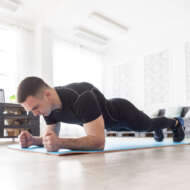

In a world where screens dominate our time and schedules feel endlessly packed, exercise often becomes the first thing we postpone. Yet movement is not an optional extra—it is a basic need of the human body. Exercise is one of the simplest and most powerful tools we have to improve physical health, strengthen the mind, and enhance overall quality of life.
What Is Exercise, Really?
Exercise is any intentional physical activity that helps keep the body fit and functional. It does not only mean lifting heavy weights at a gym or running long distances. Walking, stretching, dancing, cycling, swimming, yoga, and even gardening can count as exercise when done regularly and mindfully. The key is consistent movement that challenges the body just enough to adapt and grow stronger.
Physical Benefits of Exercise
One of the most obvious advantages of exercise is improved physicalhealth. Regular activity strengthens the heart, improves blood circulation, and helps maintain healthy blood pressure levels. It also plays a crucial role in managing body weight by burning calories and boosting metabolism.
Exercise supports strong bones and muscles, reducing the risk of osteoporosis and muscle loss as we age. It also improves flexibility, balance, and coordination, which helps prevent injuries and supports independence later in life. Additionally, regular physicalactivity strengthens the immune system, making the body more resilient to common illnesses.
Mental and Emotional Well-Being
Exercise is not just about the body; it has a powerful effect on the mind. Physical activity stimulates the release of endorphins, often called “feel-good” hormones, which help reduce stress, anxiety, and symptoms of depression. Even a short walk can clear the mind and improve mood.
People who exercise regularly often experience better sleep quality and higher energy levels during the day. Exercise also improves focus, memory, and overall cognitive function. For many, it becomes a healthy outlet for releasing tension and regaining emotional balance.
Building Discipline and Confidence
Sticking to an exercise routine builds discipline and self-confidence. Each completed workout, no matter how small, creates a sense of achievement. Over time, seeing progress—such as increased strength, stamina, or flexibility—boosts self-esteem and motivation. These positive habits often extend into other areas of life, such as better time management and healthier eating choices.
Making Exercise a Sustainable Habit
One common mistake is believing that exercise must be intense or time-consuming to be effective. In reality, consistency matters more than intensity. Starting with small, realistic goals—like 20 minutes of walking a day—can lead to long-term success.
Choosing activities you genuinely enjoy makes exercise feel less like a chore and more like self-care. Mixing different types of workouts also prevents boredom and supports overall fitness. Most importantly, listening to your body and allowing rest when needed helps avoid burnout and injury.
Conclusion
Exercise is a lifelong companion, not a short-term challenge. It strengthens the body, sharpens the mind, and improves emotional well-being. No matter your age or fitness level, it is never too late to start moving. By making exercise a regular part of daily life, you invest in a healthier, happier, and more balanced future.
#Exercise
#HealthyLifestyle
#FitnessJourney
#MentalHealth
#Wellness
#StayActive
#PhysicalHealth
#SelfCare
#DailyMovement