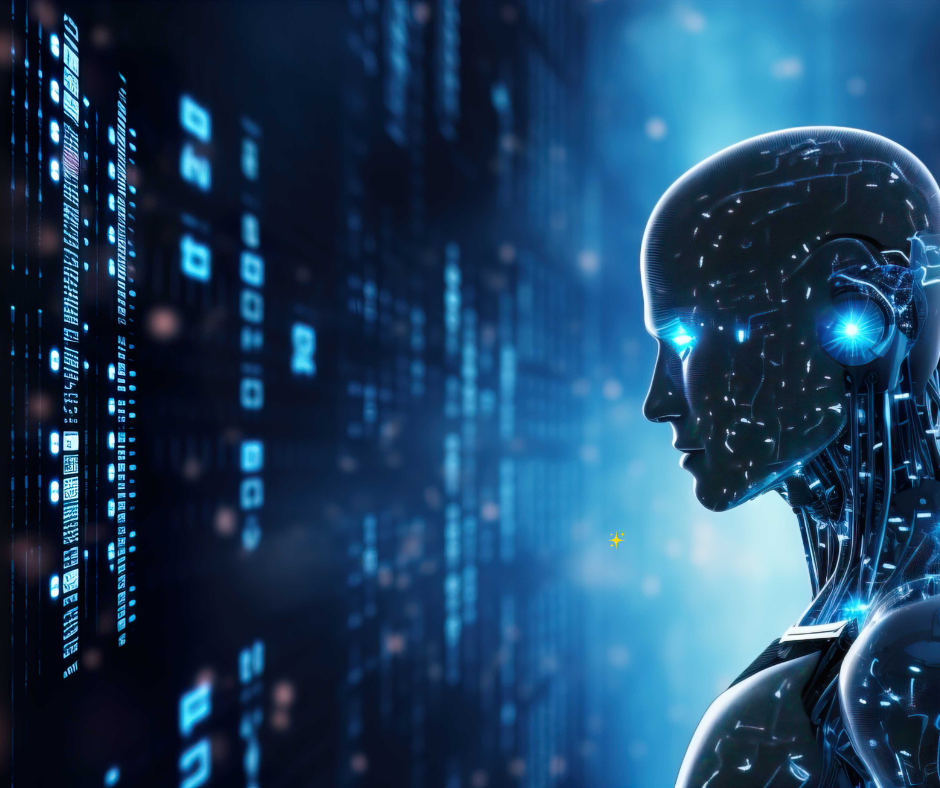
Artificial Intelligence (AI) is no longer a distant concept reserved for science fiction or research labs. It has quietly woven itself into our daily routines—suggesting what to watch next, helping doctors diagnose diseases, filtering spam from emails, and even assisting in creative tasks like writing, music, and design. As AI continues to evolve, it is reshaping how we live, work, and think about technology.
What Is Artificial Intelligence?
At its core, artificial intelligence refers to computer systems designed to perform tasks that typically require human intelligence. These tasks include learning from experience, recognizing patterns, understanding language, making decisions, and solving problems. Unlike traditional software that follows fixed rules, AI systems can adapt and improve over time using data.
AI is not a single technology but a collection of approaches such as machine learning, deep learning, natural language processing, and computer vision. Together, these techniques allow machines to interpret complex information and respond in increasingly human-like ways.
AI in Everyday Life
Many people interact with AI dozens of times a day without realizing it. Search engines use AI to deliver relevant results in milliseconds. Navigation apps analyze traffic patterns to suggest faster routes. Streaming platforms rely on algorithms to recommend movies and music based on personal preferences.
In customer service, AI-powered chatbots handle routine inquiries, allowing human agents to focus on more complex issues. In finance, AI helps detect fraudulent transactions by identifying unusual behavior. These applications demonstrate how AI enhances efficiency while operating mostly behind the scenes.
Transforming Industries
AI’s impact becomes even more evident when examining specific industries.
Healthcare:
AI assists doctors by analyzing medical images, predicting disease risks, and supporting personalized treatment plans. Early detection of conditions such as cancer or heart disease has improved significantly due to AI-based diagnostic tools.
Education:
Personalized learning platforms adapt to a student’s pace and style, helping learners grasp difficult concepts more effectively. AI can also automate administrative tasks, giving educators more time to focus on teaching.
Business and Marketing:
Companies use AI to analyze customer behavior, forecast demand, and optimize pricing strategies. Marketing campaigns are now more targeted, data-driven, and responsive thanks to intelligent analytics.
Manufacturing:
Smart factories rely on AI for predictive maintenance, quality control, and supply chain optimization. This reduces downtime, lowers costs, and improves safety.
Creativity and AI
One of the most fascinating developments in recent years is AI’s role in creative fields. AI systems can generate artwork, compose music, write stories, and assist in video production. Rather than replacing human creativity, AI often acts as a collaborative tool—offering ideas, speeding up workflows, and enabling creators to experiment in new ways.
This collaboration raises important questions about authorship and originality, but it also opens doors to creative possibilities that were previously unimaginable.
Ethical Challenges and Responsibilities
As AI becomes more powerful, ethical considerations become increasingly important. Issues such as data privacy, algorithmic bias, transparency, and job displacement must be addressed responsibly.
AI systems learn from data, and biased data can lead to unfair outcomes. Ensuring that AI is developed and deployed ethically requires diverse teams, careful testing, and clear regulations. Trustworthy AI should be explainable, secure, and aligned with human values.
The Future of AI
The future of artificialintelligence is not about machines replacing humans but about collaboration. AI will continue to automate repetitive tasks, allowing people to focus on creativity, strategy, and emotional intelligence—areas where humans excel.
Emerging trends such as generative AI, autonomous systems, and human-AI collaboration suggest a future where technology amplifies human potential rather than diminishing it. Lifelong learning and adaptability will be key skills as AI reshapes the workforce.
Conclusion
Artificial Intelligence is one of the most transformative technologies of our time. Its influence spans industries, cultures, and daily life, offering both remarkable opportunities and significant challenges. By approaching AI with curiosity, responsibility, and ethical awareness, we can ensure that it serves as a force for progress.
AI is not just shaping the future—it is already shaping the present. How we choose to guide its development will determine the kind of world we build next.
-
#ArtificialIntelligence
-
#AI
-
#FutureOfTech
-
#TechTrends2026
-
#Innovation
- #VibesChanger
- #BuzzCreatorsDigitalMedia