Category

Fashion

Category

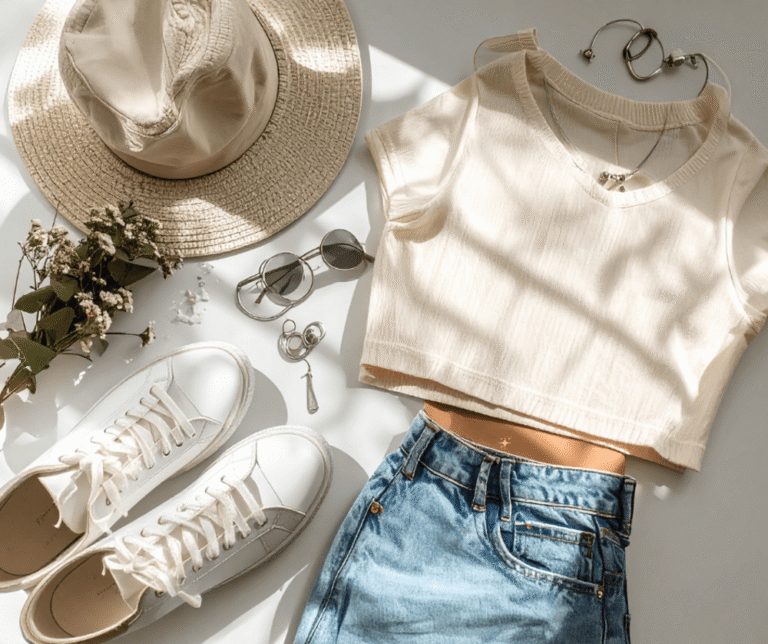
Fashion is often misunderstood as something shallow or temporary, but in reality, it is one of the most powerful forms of self-expression. What we wear speaks before we do—it reflects our personality, culture, mood, and even our values. Fashion is not just about following trends; it is about telling a story without saying a word.

The Evolution of Fashion

Fashion is constantly evolving, shaped by history, technology, and social change. What was considered stylish decades ago may seem outdated today, yet many trends resurface with a modern twist. This cycle shows that fashion is deeply connected to time and society. From traditional handcrafted garments to contemporary minimalist designs, every era leaves its mark on how people dress.

Fashion as Self-Expression

Personal style is what makes fashion truly exciting. Two people can wear the same outfit and make it look completely different. Colors, fabrics, and silhouettes help individuals express confidence, creativity, or comfort. Fashion allows people to break stereotypes, challenge norms, and showcase their identity in a world that often tries to label them.

The Role of Sustainability

In recent years, fashion has taken a more responsible direction. With growing awareness about environmental issues, many brands and consumers are choosing sustainability over fast fashion. Ethical production, eco-friendly materials, and mindful shopping are becoming important parts of the fashion conversation. Style now goes hand in hand with responsibility.

Fashion in Everyday Life

Fashion doesn’t only belong on runways or in magazines—it exists in daily life. From workwear to casual outfits, clothing influences how we feel and how others perceive us. Dressing well can boost confidence, improve mood, and even affect productivity. Fashion is a daily choice that shapes our interactions with the world.

Conclusion

Fashion is not about expensive brands or perfect looks. It is about authenticity, creativity, and comfort. Trends may come and go, but true style remains personal. When fashion is approached with confidence and consciousness, it becomes more than clothing—it becomes a reflection of who we are.

In a world saturated with “new arrivals” and fleeting trends, it’s easy to feel like you need to constantly buy more to keep up. But what if the secret to great style isn’t about more clothes, but about better choices?

Welcome to the concept of Mindful Wardrobing. It’s a shift in perspective, moving away from the consumerist treadmill of fast fashion toward an intentional, sustainable, and deeply personal way of dressing.


1. Know Thyself: Defining Your Personal Style

Before you can build a mindful wardrobe, you need a compass—your personal style identity. This isn’t about replicating a look from a magazine; it’s about understanding what makes you feel confident, comfortable, and authentic.

  • The Vibe Check: Look at the clothes you wear most often. What are the common threads? Is it a focus on natural textures, structure, vibrant color, or minimalist comfort?

  • The Mood Board: Create a digital or physical board of images (not just clothing!) that evoke a feeling you want your style to communicate. Think architecture, art, or landscapes. This gives you a conceptual blueprint, not a shopping list.

 Actionable Step: Identify 3-5 core adjectives that describe how you want to feel when you get dressed (e.g., Chic, Relaxed, Powerful, Creative).

2. Quality Over Quantity: The Investment Mentality

Mindful Wardrobing rejects the single-wear item. It embraces the idea of purchasing pieces that are an investment—in quality, in ethical production, and in your long-term style.

When you shop with intention, the criteria change:

  • Fabric & Construction: Check the tags. Look for durable, natural fibers (wool, cotton, linen, silk) that are built to last. A slightly higher upfront cost often translates to a much lower cost-per-wear over time.

  • Versatility is Key: Can this piece be styled in at least three different ways with items you already own? If not, it might be too niche for a core wardrobe.

  • The “Gap” Purchase: Only buy something that fills a true gap in your existing collection. If you already own five black sweaters, you don’t need a sixth.

3. Embrace the Circular Economy

Sustainability is the backbone of mindful dressing. It challenges the linear model of “buy, wear, discard.”

  • Thrifting & Secondhand: The most sustainable garment is the one that already exists. Explore consignment stores, vintage shops, and online resale platforms. This is an incredible way to find high-quality, unique items while keeping clothing out of landfills.

  • Repair & Re-wear: Learn basic mending (a simple button replacement or hem repair) or find a trusted local tailor. Taking care of your clothes—washing them correctly and repairing damage—extends their life dramatically.

  • The Wardrobe Detox: Twice a year, cycle through your closet. Donate or sell items that no longer serve your style or fit. This keeps your collection fresh and manageable.


Conclusion: Style is a Journey, Not a Purchase

Mindful Wardrobing isn’t about a rigid capsule wardrobe or a minimalist aesthetic; it’s about intention. It’s about cultivating a deep respect for the resources, labor, and artistry that went into your clothing.

When you curate your closet with care, you eliminate decision fatigue, save money in the long run, and, most importantly, you step out the door every day feeling genuinely good in clothes that reflect your true self.

Fashion has always reflected society, but today it feels more personal than ever before. We’re living in a time when style isn’t dictated by a single trend or a handful of designers—it’s shaped by millions of individual voices. From social media creators to everyday people experimenting with their wardrobes, fashion is becoming a global conversation centered on self-expression.

Breaking Free From “Perfect”

For decades, fashion was associated with perfection: flawless models, curated runways, and trends that felt out of reach for most people. Now, authenticity is taking the lead. People celebrate real bodies, natural textures, and imperfect beauty. The new aesthetic isn’t about looking polished—it’s about feeling genuine.

The Rise of Everyday Creativity

One of the most beautiful shifts in fashion is the rise of everyday creativity. A teenager customizing thrifted jeans, a parent styling colorful sneakers with business attire, or a professional turning vintage scarves into tops—all of these moments show how fashion is becoming more democratic. Style is no longer exclusive; it’s a canvas for anyone willing to experiment.

Comfort as a Style Statement

After years of hustle culture, comfort has finally earned a seat in the fashion spotlight. Soft fabrics, relaxed silhouettes, and multifunctional pieces are redefining what it means to dress well. Comfort is no longer seen as lazy—it’s a deliberate style choice that values both freedom and confidence.

Fashion With Purpose

More consumers are thinking beyond aesthetics. They want clothes with integrity: ethically sourced materials, fair labor practices, and transparent supply chains. Wearing a piece you know has been responsibly made adds a deeper meaning to fashion—it becomes a statement of care for the world we live in.

The Future Is Fluid

As fashion continues to evolve, one thing is clear: the future is fluid. Style is blending across cultures, genders, and generations. People are mixing high-end pieces with streetwear, pairing traditional garments with futuristic accessories, and refusing to be boxed into a single look.

Final Thoughts

Fashion today isn’t just about trends—it’s about identity, values, and creativity. It empowers us to express who we are, explore who we might become, and do it all with confidence. The most stylish thing we can wear isn’t a brand name or a trend—it’s individuality.

Fashion is often a dizzying carousel of “in” and “out”—a relentless cycle driven by runways, magazines, and social media feeds. But what if we stepped off the carousel? What if fashion wasn’t about the fleeting $10 trend but about a lasting identity?

In a world increasingly conscious of its environmental footprint and the impact of fast consumption, the most fashionable choice you can make today is to curate a wardrobe that is both deeply personal and sustainable.


The True Cost of ‘Fast Fashion’

Before we discuss building a better wardrobe, it’s essential to acknowledge the system we’re moving away from. Fast fashion—the rapid production of low-cost, disposable garments—comes with a heavy price tag not listed on the label:

  • Environmental Toll: Massive water waste, pollution from dyes, and overflowing landfills as cheap garments are quickly discarded.

  • Ethical Concerns: Often involves poor working conditions and unfair wages for garment workers worldwide.

The antidote to this is not to stop shopping, but to start investing—in pieces, and in a philosophy.


Three Pillars of Your ‘Forever’ Fashion Identity

How do you transition from a trend-follower to a style curator? It starts with intention.

1. Know Your Classics, Know Yourself

Trends change, but classic silhouettes endure for a reason. These are your style foundations. However, the true key is finding the classics that genuinely work for your body shape, lifestyle, and personal aesthetics.

  • The Uniform: Identify 2-3 outfit formulas you feel incredible in (e.g., tailored trousers + crisp shirt, or midi dress + boots). These are your ready-to-go uniforms.

  • The Color Palette: Determine a core group of 4-6 neutral colors (navy, charcoal, camel, ivory, black) and 2-3 accent colors that flatter your skin tone. Sticking to this palette ensures everything in your closet can be mixed and matched effortlessly.


2. Embrace Quality Over Quantity

The goal is to move from 10 cheap, short-lived items to 2-3 higher-quality items that last for years.

  • The Cost-Per-Wear Metric: Shift your mindset. A $200 high-quality wool coat worn 100 times costs you $2 per wear. A $50 synthetic jacket worn 5 times before falling apart costs you $10 per wear. The more expensive piece is actually the better deal.

  • Fabric is Key: Learn to recognize quality materials. Prioritize natural fibers like linen, cotton, wool, and cashmere, as they often wear better, breathe better, and are easier to repair and maintain.


3. Sustainability is Style

Building a sustainable closet doesn’t mean buying only brand-new, expensive eco-friendly labels. It means changing how you acquire and discard clothing.

  • Shop Secondhand: Vintage and consignment stores are treasure troves of high-quality, unique items that already exist in the world. It is the ultimate form of recycling.

  • Become a Mender: A tear or a missing button shouldn’t condemn a garment. Learn basic mending skills or support a local tailor. Extending the life of a garment by even nine months reduces its environmental impact by up to 30%!

  • Ask the Hard Questions: Before a purchase, pause and ask: “Will I wear this in five years?” If the answer is no, put it back.


Your Style Legacy

Fashion is powerful because it’s visual storytelling. By choosing timeless pieces, valuing quality, and prioritizing sustainability, you are telling a story of thoughtfulness, respect for the planet, and confidence in your own, unshakeable style.

Stop chasing trends. Start crafting your legacy.

#SustainableFashion #EthicalFashion #SlowFashion #VibesChanger #BuzzCreatorsDigitalMedia
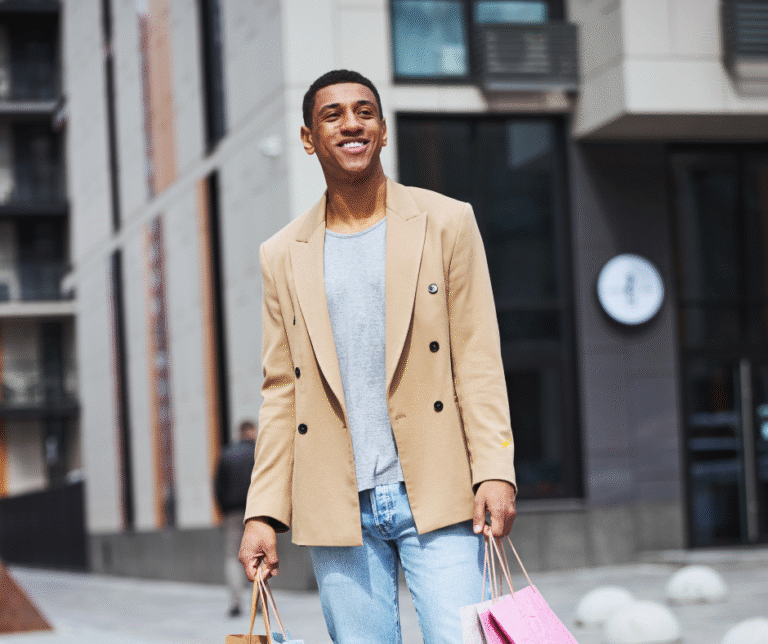
Sustainable Style: The Future of Fashion is Conscious

Fashion is one of the most powerful forms of self-expression, yet behind the dazzling runway shows and must-have pieces lies a complex industry with significant environmental and social footprints. As we move further into the 21st century, a major shift is occurring: sustainable style is no longer a niche trend—it’s becoming the new standard.


Why The Change?

For decades, the model of fast fashion—characterized by rapid production, low prices, and disposable clothing—has dominated the market. This model, while delivering affordability, comes at a heavy cost:

  • Environmental Strain: Massive water consumption, pesticide use (in conventional cotton), chemical dyeing processes that pollute waterways, and enormous textile waste filling landfills.

  • Social Impact: Poor working conditions, unfair wages, and safety issues in garment factories around the globe.


The Pillars of Sustainable Fashion

Sustainable fashion proposes a fundamental rethinking of how clothes are made, bought, and used. Here are the core concepts driving this movement:

  • 1. Ethical Sourcing: Prioritizing materials that are kinder to the planet, such as organic cotton (grown without toxic pesticides), recycled fibers, linen, or innovative materials like Tencel (Lyocell) and Pinatex (pineapple leaf fiber).

  • 2. Transparency in the Supply Chain: Brands taking responsibility for the entire journey of a garment, from the farm to the hanger. This means knowing and sharing details about their factories, material origins, and labor practices.

  • 3. Durability and Quality: Moving away from disposable clothing. Sustainable garments are designed to last, encouraging consumers to buy less and wear items longer.

  • 4. Circularity: The concept of closing the loop. This includes designing clothes for recycling, offering repair services, and promoting the reuse of garments through resale or donation.


How You Can Embrace Conscious Consumption

Making the transition to a more sustainable wardrobe doesn’t require a complete overhaul overnight. Every small decision you make can have a positive impact.

Action Impact
Buy Less, Choose Well Focus on timeless pieces rather than fleeting trends. Invest in high-quality basics.
Embrace Secondhand Explore thrift stores, consignment shops, and online resale platforms. It’s the ultimate form of recycling!
Care for Your Clothes Learn proper washing and drying techniques to extend a garment’s life. Repair small tears or replace missing buttons instead of discarding the item.
Ask Questions Research the brands you support. Look for certifications (like GOTS for organic textiles) or clear statements about ethical labor.
Host a Clothes Swap Gather friends and exchange clothes you no longer wear. It’s free, fun, and gives your wardrobe a fresh feeling.

The takeaway: Style and ethics are no longer mutually exclusive. Choosing sustainable fashion allows you to look good while doing good. It’s about building a wardrobe that reflects your values and celebrates conscious craftsmanship over sheer volume. The fashion revolution is underway, and every shopper has a role to play.

#SustainableFashion

#EthicalFashion

#ConsciousConsumer

#SlowFashion

#VibesChanger

#BuzzCreatorsDigitalMedia
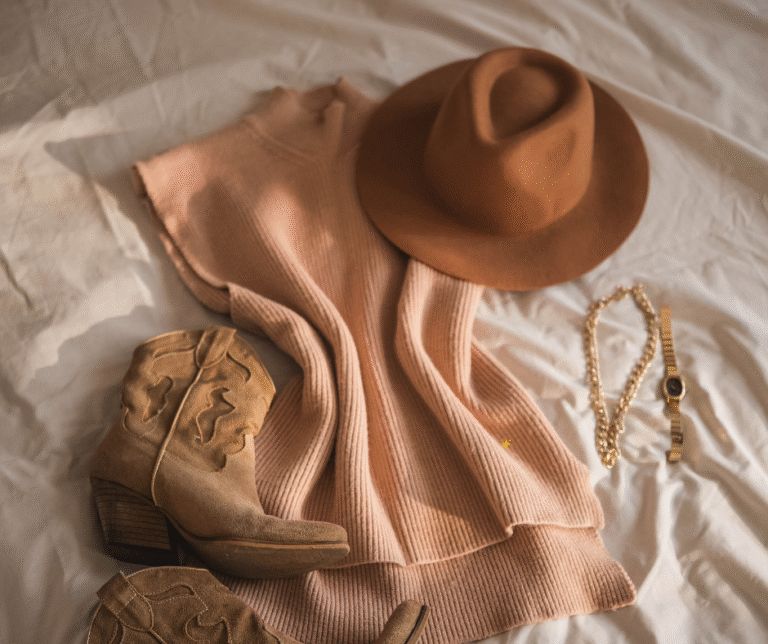
 

Fashion is often described as a form of expression—and for good reason. While some people view clothing as purely functional, others see it as a language. It’s a way to communicate personality, mood, and creativity without ever saying a word. But beyond runways and glossy magazine covers, fashion plays a role in our daily lives that’s more powerful than we often realize.

Fashion as a Reflection of Identity

What we choose to wear says something about who we are, or at least how we want the world to perceive us. A bold printed jacket might signal confidence. A minimalist outfit might highlight sophistication or simplicity. Even a comfortable pair of jeans and sneakers tells a story of ease and practicality. Fashion allows us to explore different versions of ourselves, adapting as we grow and change.

Trends Come and Go, but Style Stays

Trends are fast, exciting, and sometimes unpredictable. One year it’s oversized blazers; the next, micro-bags take over the scene. But while trends bring freshness, personal style is what makes fashion truly meaningful. Style is about knowing what feels right for you—colors that bring out your personality, silhouettes that make you feel confident, and pieces that you reach for again and again. When you build your wardrobe around your authentic preferences, you naturally step away from the pressure to follow every trend.

The Rise of Sustainable Fashion

Another important shift in the fashion world is the growing emphasis on sustainability. Consumers today are more conscious of their environmental impact, choosing long-lasting pieces over fast-fashion buys. Thrifting, upcycling, and supporting ethical brands are becoming part of a larger movement toward mindful consumption. Fashion is no longer just about how things look—it’s also about how things are made.

Fashion as Empowerment

A great outfit can genuinely change your day. It can boost your confidence before a presentation, help you blend into a new environment, or remind you of who you are when life feels chaotic. Fashion has the power to uplift, motivate, and empower us in subtle but meaningful ways.

Final Thoughts

Fashion is not just a seasonal trend or a luxury reserved for the rich. It’s an evolving art form that everyone participates in, whether consciously or not. By embracing your personal style, making thoughtful choices, and experimenting fearlessly, you turn everyday dressing into a form of self-expression.

#PersonalStyle

#StyleOverTrends

#FashionCanvas

#TimelessFashion

#SustainableStyle

#VibesChanger

#BuzzCreatorsDigitalMedia
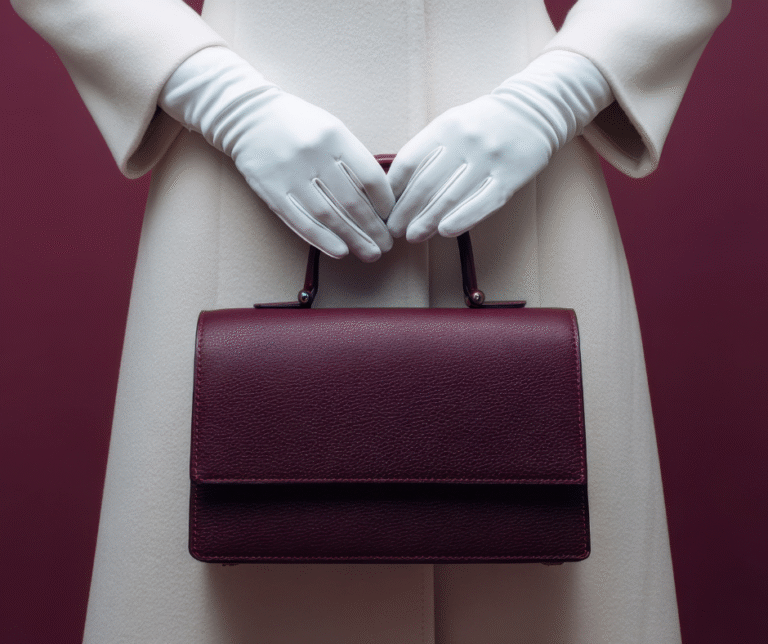
Fashion is more than fabric, color, and design—it’s a reflection of confidence and creativity. Every piece of clothing we wear tells a story about how we feel, how we want to be seen, and how we express our inner world to the outer one. From classic elegance to street-style rebellion, fashion allows everyone to become their own kind of artist.

Fashion as a Daily Form of Art

Art doesn’t only live on canvases or in museums—it walks the streets every day through fashion. The way someone mixes patterns, layers textures, or chooses accessories is an act of self-expression. Some see dressing up as a routine, while others see it as a ritual of creativity. In either case, fashion has the power to transform an ordinary day into something extraordinary.

The Influence of Trends and Individuality

Trends come and go, but personal style remains timeless. Social media, celebrity culture, and global fashion weeks influence what’s popular, yet the true beauty of fashion lies in individuality. Mixing vintage with modern pieces, experimenting with color, or even wearing something unexpected—these are the ways people create their unique signature look. Real fashion isn’t about copying trends; it’s about owning your story.

The Rise of Sustainable and Ethical Fashion

In today’s world, fashion is evolving toward greater awareness. The rise of sustainable brands and ethical production practices shows that beauty and responsibility can coexist. Consumers are becoming more mindful about what they buy—choosing quality over quantity, supporting local designers, and recycling or upcycling clothing. The future of fashion depends not just on creativity, but on conscious choices that respect the planet and its people.

Fashion Beyond Gender

Modern fashion has moved beyond traditional boundaries. Designers are creating gender-neutral collections that celebrate inclusivity and self-expression. The message is clear: style belongs to everyone, regardless of gender, age, or body type. This shift reflects a broader cultural change—one that values authenticity over conformity.

Conclusion

Fashion is not about fitting in—it’s about standing out with confidence. It gives us the freedom to reinvent ourselves, to communicate without words, and to celebrate individuality. Whether it’s a pair of jeans that makes you feel unstoppable or a tailored suit that empowers you, fashion reminds us that the most stylish thing we can ever wear is confidence.

#Fashion #Style #OOTD #FashionInspo #FashionBlog #StyleInspiration #TrendyLooks #DailyStyle #ModernFashion #FashionGoals #VibesChanger #BuzzCreatorsDigitalMedia
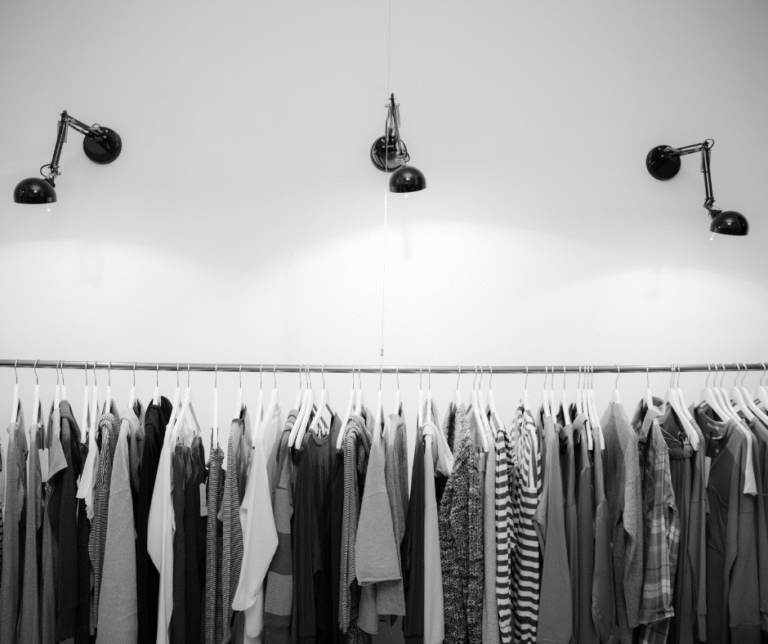
Fashion has always been more than fabric stitched together — it’s a language that speaks without words. From the way we choose our shoes to how we style our hair, fashion gives us the power to express mood, identity, and even beliefs. Today, it’s not just about what’s trending; it’s about what feels right for you.

1. The Rise of Individualism in Fashion

Gone are the days when fashion was dictated solely by glossy magazines and luxury runways. In the age of social media, everyone has a platform to showcase their unique style. People are mixing vintage pieces with modern trends, pairing luxury with thrift finds, and embracing imperfections as part of their look. This shift has turned fashion into a celebration of individuality rather than conformity.

2. Comfort Meets Confidence

The modern wardrobe is no longer defined by rigid rules or uncomfortable silhouettes. The global shift towards comfort — especially after the pandemic — has made loungewear, oversized fits, and breathable fabrics essential parts of everyday fashion. Yet, comfort doesn’t mean compromise. Confidence shines brightest when we feel good in what we wear.

3. The Role of Technology in Fashion Evolution

Technology is transforming fashion faster than ever. From AI-designed garments to virtual fitting rooms and augmented reality fashion shows, innovation is redefining how we shop and experience clothing. Digital fashion — where outfits exist only online — is also gaining popularity, proving that creativity in fashion knows no physical boundaries.

4. Fashion with a Purpose

Consumers today want more than stylish clothes; they want stories. Ethical production, inclusivity, and sustainability are becoming key factors in purchasing decisions. Brands that value transparency, fair labor, and eco-friendly materials are earning loyalty not just for their designs, but for their integrity.

5. Fashion as a Global Conversation

Every culture brings something beautiful to the fashion world. Traditional designs, patterns, and craftsmanship continue to inspire new generations of designers. From African prints to Scandinavian minimalism, global influences are creating a richer, more diverse style landscape — one where culture meets creativity.


Final Reflection

Fashion is evolving, but its soul remains the same — a powerful form of self-expression. Whether you dress to make a statement or simply to feel comfortable in your own skin, your style tells your story. Trends will come and go, but authenticity never goes out of style.

#FashionAsLanguage

#StyleIsExpression

#RedefiningFashion

#SelfExpressionThroughStyle

#VibesChanger

#BuzzCreatorsDigitalMedia
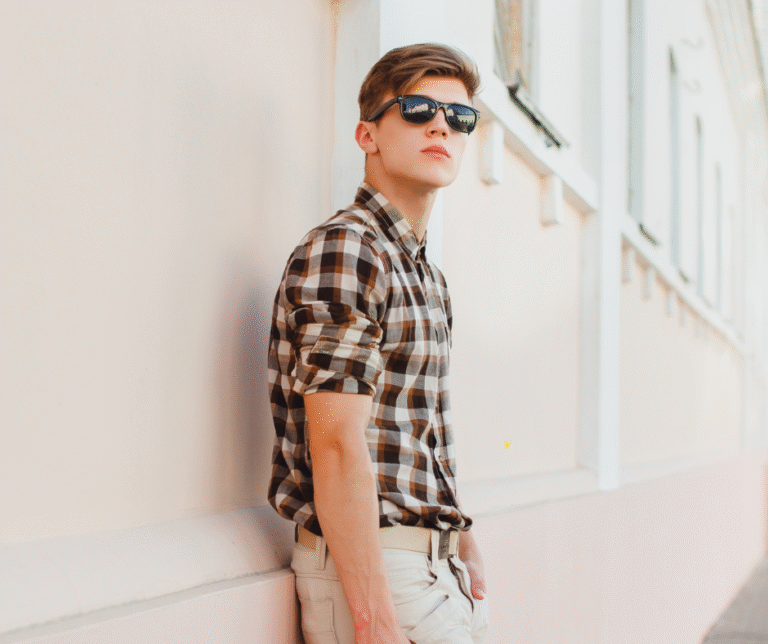
Fashion is more than just clothing—it’s a powerful form of self-expression, creativity, and cultural identity. From ancient civilizations to the modern runway, fashion has evolved to mirror the values, moods, and innovations of each era. Today, it’s a global language that unites people through style, while allowing every individual to tell their unique story.

A Glimpse into the Past

Fashion’s history is as rich as it is diverse. In ancient Egypt, garments were symbols of social status and spirituality, while in medieval Europe, intricate fabrics and layers reflected wealth and hierarchy. The Renaissance brought with it bold experimentation, and by the 20th century, fashion became a statement of freedom and rebellion. Each period left behind styles that still inspire designers today.

Fashion as Self-Expression

In the modern world, fashion isn’t just about trends—it’s about identity. People use clothing to communicate who they are, what they believe in, and how they want to be perceived. Streetwear, for example, became a cultural movement, blending comfort and creativity. Meanwhile, sustainable fashion is reshaping the industry by encouraging mindful choices that protect both people and the planet.

Technology and the Future of Fashion

Technology is transforming the way fashion is created, shared, and consumed. Digitalfashion shows, 3D printing, and virtual try-ons are redefining the shopping experience. Social media platforms like Instagram and TikTok have also turned ordinary people into trendsetters, making fashion more inclusive and accessible than ever.

Sustainability: A New Era of Conscious Style

As awareness about climate change grows, many brands and consumers are rethinking their fashion habits. Sustainable fabrics, ethical labor practices, and circular fashion models are becoming key focuses. The goal is no longer just to look good—but to feel good about what we wear.

Final Thoughts

Fashion is a mirror that reflects society’s evolution. It tells stories of art, innovation, and individuality. Whether it’s a timeless little black dress or a bold streetwear look, fashion empowers us to express our inner selves and connect with others across cultures and generations.

#Fashion #Style #FashionBlog #FashionInspiration #OOTD #FashionLovers #Trendy #FashionWorld #VibesChanger #BuzzCreatorsDigitalMedia
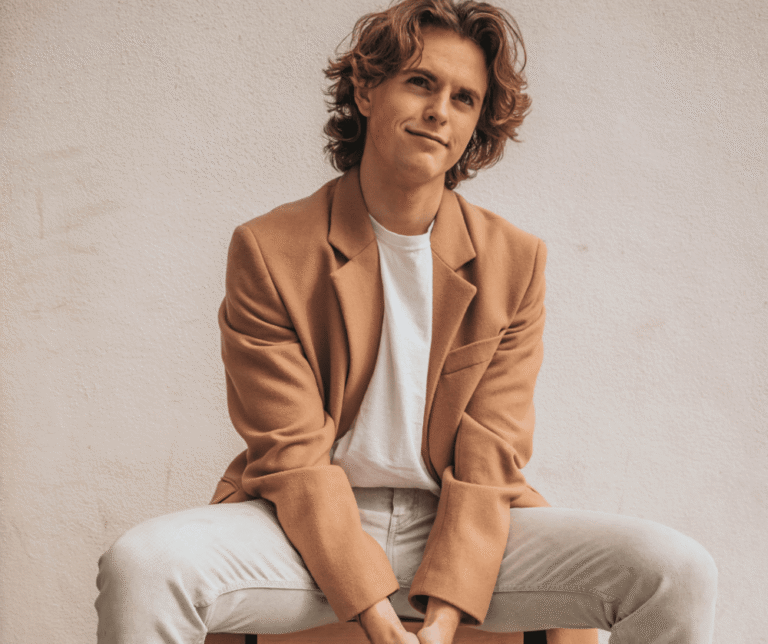
Fashion has always been more than just clothing — it is a reflection of who we are, what we believe in, and how we express ourselves to the world. From ancient civilizations draped in silk and gold to today’s digital age of influencers and fast fashion, the story of style continues to evolve, blending creativity, culture, and individuality.


👗 Fashion as a Form of Self-Expression

What we wear speaks volumes before we even say a word. Fashion allows people to tell their stories — to communicate confidence, creativity, and identity. Whether it’s the boldness of streetwear, the sophistication of couture, or the simplicity of minimalism, every outfit reflects a personal narrative. Style becomes a language of its own, uniting people across boundaries and backgrounds.


🌍 The Influence of Culture and Trends

Cultural heritage plays a vital role in shaping global fashion trends. Designers often draw inspiration from traditional patterns, local craftsmanship, and historical elements to create modern masterpieces. Social media has further amplified this exchange, allowing styles from Tokyo, Paris, or Mumbai to influence wardrobes around the world instantly.


♻️ Sustainability: The Future of Fashion

In recent years, the fashion industry has faced a new challenge — sustainability. Consumers are becoming more conscious of how their clothes are made, where materials come from, and the impact of mass production on the planet. This has led to the rise of eco-friendly fabrics, ethical brands, and slow fashion movements that prioritize quality over quantity. The future of fashion is not only stylish but also responsible.


💡 Technology Meets Fashion

Technology has revolutionized the way we design, produce, and experience fashion. From virtual fitting rooms and AI-driven styling apps to 3D-printed garments, innovation is reshaping the industry. Digital fashion shows and virtual influencers are proving that creativity knows no limits in the modern era.


👠 The Power of Personal Style

At its core, fashion is about confidence and individuality. Trends come and go, but personal style is timeless. The best fashion statement anyone can make is being authentic — wearing what makes them feel comfortable, empowered, and uniquely themselves.


🌸 Conclusion

Fashion will continue to evolve with time, reflecting society’s changes, technological advancements, and creative spirit. It is an art form that celebrates diversity and expression, reminding us that true style isn’t about following the crowd — it’s about defining your own path.

#FashionEvolution

#StyleJourney

#ExpressYourself

#FashionHistory

#WorldOfFashion

#VibesChanger

#BuzzCreatorsDigitalMedia