Category

Fashion

Category

Fashion is more than just clothing—it’s a powerful form of self-expression that reflects culture, creativity, and individuality. Throughout history, fashion has evolved with every generation, capturing the essence of social changes and technological advancements. From the elegance of vintage attire to the boldness of modern streetwear, fashion continues to redefine how people present themselves to the world.

Fashion as a Reflection of Identity 👗

What we wear often speaks louder than words. Fashion allows individuals to showcase their personalities, moods, and beliefs. A simple outfit can radiate confidence, elegance, or creativity. For many, fashion is not just about following trends, but about embracing unique styles that highlight personal identity.

The Influence of Trends and Innovation 🌍

Globalization and technology have reshaped the fashion industry. Social media platforms, influencers, and digital runways now set trends faster than ever. Sustainability and eco-friendly fashion have also emerged as powerful movements, encouraging people to choose ethical clothing that respects both the planet and its people.

Fashion Beyond Clothing 🕶️

Fashion isn’t limited to garments—it extends to accessories, hairstyles, footwear, and even lifestyle choices. From minimalist designs to bold statements, every element adds to the overall style story. This interconnectedness makes fashion an art form that evolves daily, inspiring creativity and innovation worldwide.

Conclusion 🌟

Fashion is a journey, not just a destination. It celebrates individuality, embraces diversity, and adapts to change. Whether you prefer timeless classics or daring trends, fashion gives everyone the freedom to express themselves with confidence and style.

#Fashion
#Style
#Trendy
#OutfitInspo
#FashionLovers
#StyleGoals
#FashionVibes
#VibesChanger
#BuzzCreatorsDigitalMedia
Fashion is often seen as the art of dressing well, but it is much more than clothing—it’s a powerful form of self-expression, cultural storytelling, and creativity. From the streets of Tokyo to the runways of Paris, fashion reflects the values, emotions, and identities of individuals and societies alike.

Fashion as a Reflection of Identity

What we wear often speaks before we do. Whether it’s a sharp business suit, a vintage band tee, or an eco-conscious handmade outfit, our clothing choices tell the world something about who we are. Fashion allows us to align with certain communities or stand out from the crowd. It gives voice to personal style, beliefs, moods, and even political stances.

Trends Come and Go

One of the most exciting aspects of fashion is its constant evolution. Trends rise, fall, and often return with a modern twist. What was once considered outdated can become the next big thing. Take, for example, the comeback of 90s-inspired looks—baggy jeans, crop tops, and platform shoes are all enjoying a second life thanks to Gen Z and their love for nostalgia.

Social media has also transformed how trends spread. Platforms like Instagram and TikTok now play a major role in defining what’s “in,” allowing influencers and everyday users to shape style movements on a global scale.

Sustainability in Fashion

In recent years, there’s been a growing awareness about the environmental impact of the fashion industry. Fast fashion, while affordable, has led to overproduction and waste. In response, many consumers and brands are shifting toward sustainable practices—choosing eco-friendly materials, supporting ethical labor, and embracing slow fashion principles.

Vintage shopping, clothing swaps, and upcycled garments are becoming not just trendy, but necessary. The idea is simple: fashion doesn’t have to cost the Earth.

Fashion as Art

Fashion is not only about utility—it’s also an art form. Designers use fabric, texture, and color the way painters use brushes and paint. High fashion and couture, in particular, push the boundaries of what clothing can be, often merging with performance and sculpture to make bold statements.

Even everyday fashion can be artistic. How we layer, accessorize, and combine colors is a form of creativity that’s unique to each individual.

Final Thoughts

Fashion is an ever-changing world that continues to inspire, challenge, and reflect who we are. It’s more than just what’s trendy—it’s a dynamic force that connects us to history, culture, and each other. Whether you follow the latest looks or create your own path, fashion gives everyone the freedom to express themselves in their own way.

So next time you get dressed, remember: you’re not just putting on clothes—you’re telling a story.

#FashionBlog

#StyleInspiration

#FashionTrends

#OOTD (Outfit of the Day)

#VibesChanger

#BuzzCreatorsDigitalMedia
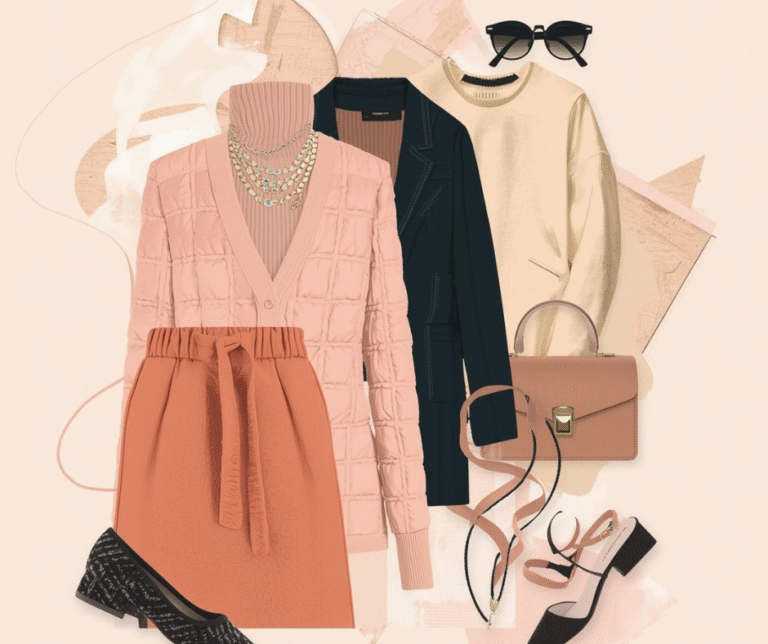
When most people hear the word fashion, they think of designer labels, runway shows, or the latest trends on Instagram. But fashion is much more than that. It’s a powerful form of self-expression, culture, and identity that evolves with time and speaks louder than words.


👠 What Is Fashion, Really?

Fashion isn’t just about what you wear—it’s about how you wear it and why. It reflects your personality, lifestyle, values, and sometimes even your mood. From streetwear to high fashion, from vintage pieces to modern minimalism, fashion allows individuals to communicate without ever speaking.

Every piece of clothing tells a story. It may reflect tradition, rebellion, elegance, comfort, or creativity. And the beauty of it is—there’s no one way to be fashionable.


🕰️ A Brief Glance at Fashion History

Fashion has been around since the beginning of human civilization. From the elaborate garments of ancient Egypt to the corseted silhouettes of Victorian England, clothing has always been tied to social status, gender roles, and cultural movements.

In the 20th century, fashion became more accessible and democratic. Each decade brought its own revolution—the flapper dresses of the 1920s, the bold prints of the 70s, the grunge look of the 90s, and now, the mix-and-match, sustainable style of the 2020s.


🌍 Fashion Meets Culture and Identity

Across the globe, fashion varies widely depending on region, religion, and tradition. In India, vibrant saris and embroidery reflect deep cultural heritage. In Japan, minimalist silhouettes showcase precision and elegance. African fashion bursts with color and symbolism, often handmade with meaningful patterns.

Fashion is also a political tool. Throughout history, it has been used to challenge norms—whether it’s women wearing trousers in the 1930s, or the rise of gender-neutral fashion today.


👗 The Rise of Sustainable Fashion

In recent years, the industry has faced criticism for its environmental impact and unethical labor practices. As a result, a growing number of designers and consumers are turning to sustainable fashion. This movement focuses on:

  • Ethical production

  • Eco-friendly materials

  • Second-hand and upcycled fashion

  • Slow fashion over fast trends

Being fashionable today is no longer just about looking good—it’s about making conscious choices.


💡 Why Fashion Matters

Fashion may seem superficial at times, but it has a real impact. It can boost confidence, build communities, and inspire innovation. It’s one of the few art forms that we engage with every single day.

Whether you’re putting together an outfit for work, dressing for a celebration, or just lounging at home, the clothes you wear reflect who you are and how you feel.


✍️ Final Thoughts

Fashion is constantly changing, yet always personal. You don’t need to follow every trend or wear expensive brands to be fashionable. True style comes from understanding what works for you and wearing it with confidence.

So, the next time you stand in front of your closet, don’t ask, “What should I wear?” Instead, ask, “What do I want to say today?”

#FashionStatement

#StyleIsExpression

#WearYourConfidence

#FashionWithMeaning

#MoreThanClothes

#VibesChanger

#BuzzCreatorsDigitalMedia
 

Introduction
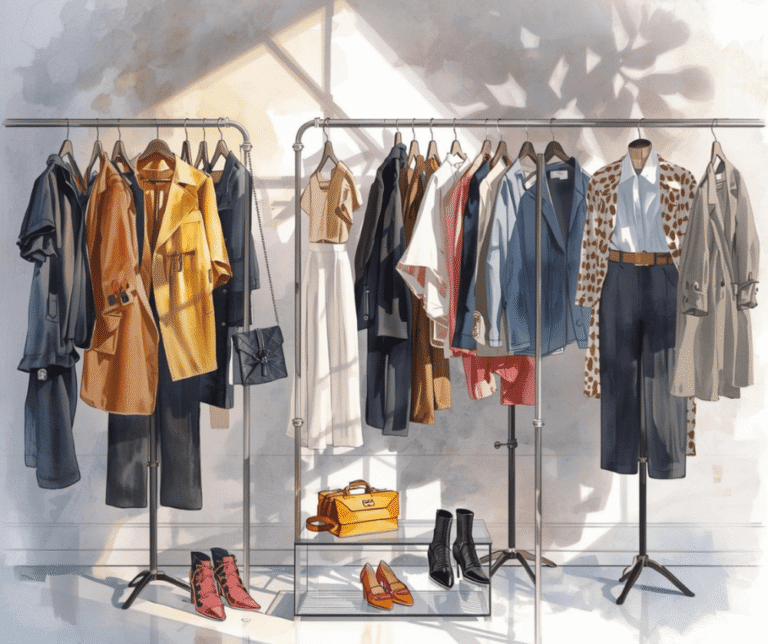
Fashion is far more than fabric stitched together—it’s an expression of identity, a reflection of culture, and a powerful form of communication. From ancient robes to modern streetwear, fashion tells the story of who we are, where we’ve been, and sometimes, where we’re headed.


Fashion as Self-Expression

Clothing is one of the first things people notice about us. Whether intentionally styled or thrown on in a hurry, our outfits speak volumes. For many, fashion is a way to express personality, mood, and values without saying a word. A bold jacket might say “confident,” while a pair of vintage jeans could speak to a love for nostalgia.

In recent years, the rise of social media has turned fashion into a personal brand. People curate their wardrobes as carefully as their Instagram feeds, using fashion as a visual language.


Trends vs. Timeless Style

Trends come and go—remember bucket hats, low-rise jeans, or neon windbreakers? While some trends enjoy short-lived popularity, others make comebacks, reinvented for new generations. But amid the ever-changing trends, timeless style always has a place.

Think of a classic white shirt, a little black dress, or a well-tailored blazer. These pieces remain stylish regardless of the current fashion wave. The secret to lasting style is knowing what works for you and wearing it with confidence.


Sustainability in Fashion

In today’s world, fashion isn’t just about looking good—it’s also about doing good. The fashion industry has faced criticism for its environmental impact, particularly from fast fashion. As a response, sustainable fashion is gaining momentum.

Brands and consumers alike are shifting toward eco-friendly practices: using organic fabrics, recycling clothing, and supporting ethical labor. Thrifting, upcycling, and renting clothes are no longer niche—they’re part of a growing movement that proves style and sustainability can go hand in hand.


Fashion is for Everyone

One of the most beautiful things about fashion is its inclusivity. It’s no longer confined to the runway or celebrities. Thanks to fashion bloggers, influencers, and diverse representation in media, fashion is more accessible than ever.

No matter your size, background, or budget, there’s a style that can make you feel empowered. Fashion is a tool for building self-esteem, finding community, and celebrating individuality.


Conclusion

Fashion is a living, breathing art form. It evolves, adapts, and mirrors society. While trends may come and go, the power of fashion to tell a story, challenge norms, and celebrate uniqueness remains constant. So whether you’re dressing for comfort, creativity, or confidence—remember, fashion is yours to define.

#FashionBlog
#StyleInspiration
#FashionTrends
#OOTD (Outfit Of The Day)
#FashionStyle
#VibesChanger
#BuzzCreatorsDigitalMedia
Fashion is far more than the clothes we wear—it’s a reflection of culture, identity, and self-expression. From the runways of Paris to the bustling streets of Tokyo, fashion tells stories about who we are, where we come from, and how we see the world.

A Mirror of Society

Historically, fashion has always mirrored the times. Think of the flapper dresses of the 1920s, symbolizing women’s growing independence, or the minimalist looks of the 1990s, reflecting a shift toward simplicity and rebellion against excess. Today, fashion continues to evolve with societal trends, often embracing sustainability, body positivity, and inclusivity.

Personal Style and Identity

Fashion is a powerful tool for expressing individuality. Whether it’s a vintage thrift-store find or a designer piece, the way we dress sends a message. Some people dress to stand out; others prefer timeless classics. There’s no right or wrong—what matters is authenticity.

Your wardrobe is your canvas. Every outfit is an opportunity to tell a story without speaking a word. And with fashion becoming more accessible than ever through social media, everyone can now be their own trendsetter.

The Rise of Sustainable Fashion

One of the biggest shifts in recent years has been the push for sustainability. Fast fashion’s impact on the environment has sparked a global conversation, leading many brands and consumers to rethink their choices. From recycled fabrics to ethical labor practices, the industry is slowly moving toward more responsible practices.

Thrifting, upcycling, and supporting local designers are just a few ways consumers are embracing conscious fashion without sacrificing style.

Trends Come and Go, But Style is Eternal

While trends can be fun to follow, true style is timeless. Icons like Audrey Hepburn, David Bowie, and Rihanna didn’t just follow trends—they created them. The key to lasting style is understanding what works for you and wearing it with confidence.

Final Thoughts

Fashion is not about following rules—it’s about breaking them in a way that feels true to you. It’s creative, dynamic, and deeply personal. Whether you’re dressing up for an event or throwing on your favorite hoodie, fashion is a form of art we live in every day.

So next time you open your closet, don’t just think about what to wear—think about what you want to say.

#FashionBlog
#StyleInspiration
#FashionTrends
#EverydayStyle
#VibesChanger
#BuzzCreatorsDigitalMedia
Fashion has always been more than just clothing—it’s a form of self-expression, a way to tell a story without saying a word. From the ancient garments that marked social status to the contemporary streetwear that celebrates individuality, fashion reflects the changing times and the desires of society. Whether you’re dressing for an important event or simply choosing something comfortable for the day, the way we dress carries meaning. Let’s take a journey through the fascinating evolution of fashion.

The Origins of Fashion: A Mark of Status and Identity

Fashion traces its roots back to ancient civilizations. In Egypt, Mesopotamia, and Greece, clothing was used to signal social class, occupation, and even political power. The Egyptians, for example, wore linen garments that were simple but beautifully designed, often accompanied by jewelry that indicated their wealth. In ancient Greece and Rome, the toga became a symbol of Roman citizenship, while in Egypt, pharaohs were adorned with lavish attire and accessories, signifying their divine status.

These early examples show that fashion wasn’t just about looking good—it was about identity. The types of fabrics, colors, and adornments were carefully chosen to communicate one’s role in society.

The Renaissance and the Rise of Haute Couture

Fast forward to the Renaissance period, and fashion began to evolve into something more elaborate. The wealthy classes of Europe embraced detailed embroidery, luxurious silks, and intricate designs that showcased their affluence. Clothing became more structured, with corsets and ruffs becoming popular among aristocrats. The 16th century was a time of opulence in fashion, and the desire to showcase wealth and sophistication continued to drive the designs of the time.

By the 19th century, fashion had become a formalized industry, with the birth of haute couture in Paris. Charles Frederick Worth, often credited as the first couturier, opened a fashion house in 1858. His designs set the stage for what would become the modern fashion industry, where tailored, exclusive garments became symbols of luxury and exclusivity.

The Birth of Modern Fashion: A Reflection of Society’s Changes

The 20th century saw rapid shifts in fashion, with styles changing as society evolved. The early part of the century was marked by elegant, feminine silhouettes, influenced by the extravagant designs of the Victorian era. However, the two World Wars changed the way people viewed fashion. Fabric shortages during wartime led to simpler, more practical styles. Women, who had been relegated to domestic roles, began entering the workforce in greater numbers, leading to more comfortable, functional clothing like trousers and jackets.

In the post-war era, the 1950s introduced a new wave of femininity with the hourglass figure championed by Christian Dior’s “New Look.” By the 1960s, youth culture had begun to reshape fashion, with mod styles, mini skirts, and androgynous looks reflecting the growing demand for individuality and rebellion.

Fashion Today: Diversity, Sustainability, and Personal Expression

In today’s world, fashion is no longer confined to the traditional runways or high-end boutiques. The democratization of fashion through social media platforms, fashion blogs, and online stores has given everyone the opportunity to engage with the industry. People are experimenting with their looks, blending cultures, and celebrating their unique identities.

Sustainability has also become a key focus in the fashion world. As consumers become more conscious of the environmental impact of fast fashion, brands are shifting towards ethical practices, using sustainable materials and promoting mindful consumption. Vintage clothing has made a major comeback, with many fashionistas opting for second-hand or upcycled items that carry a sense of history and individuality.

Moreover, inclusivity is at the forefront of modern fashion. Brands are beginning to embrace a more diverse range of body types, ethnicities, and gender identities. Fashion is no longer just about fitting into a certain mold—it’s about breaking barriers and embracing authenticity.

The Future of Fashion: Technology, Innovation, and the Metaverse

As we look to the future, technology is set to continue shaping the fashion landscape. Innovations like 3D printing, artificial intelligence, and virtual fashion shows are transforming how designers create, present, and sell clothing. The concept of the Metaverse is also making waves, with virtual clothing gaining popularity. People are now dressing avatars in digital spaces, creating fashion for virtual worlds that have their own trends and influencers.

Fashion’s future is bright, and its evolution will undoubtedly continue to reflect the changing world around us. As we move forward, one thing is certain: fashion will remain a powerful tool for self-expression, social commentary, and cultural reflection.

Conclusion

Fashion is an ever-changing, dynamic industry that has evolved alongside human history. From the elaborate gowns of the Renaissance to the casual chic of modern streetwear, it has been a canvas for creativity, identity, and societal change. Today, fashion continues to be a platform for innovation, inclusivity, and personal expression. It tells the story of who we are, where we’ve been, and where we’re going—one outfit at a time.

#FashionEvolution
#TimelessElegance
#ModernFashion
#FashionHistory
#VibesChanger
#BuzzCreatorsDigitalMedia
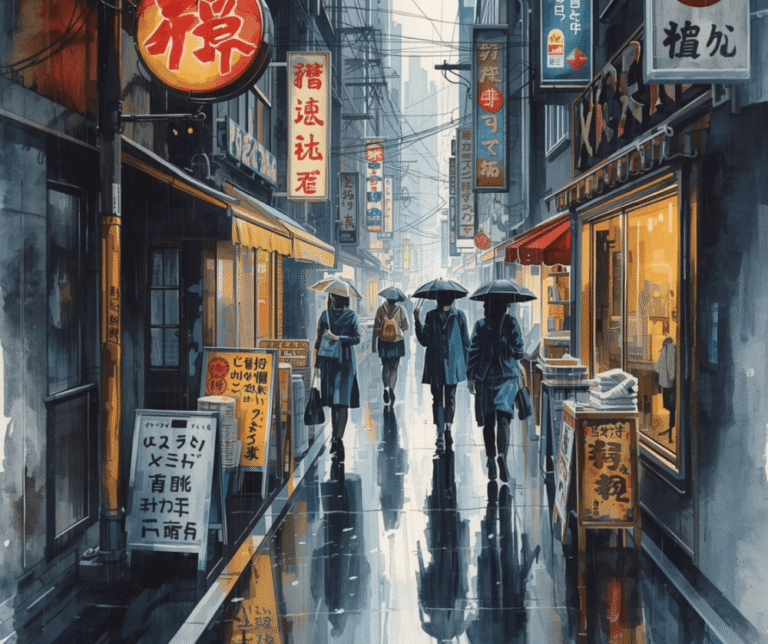
The world of fashion is always evolving, and 2025 promises to be a groundbreaking year for the industry. In a society where technology, sustainability, and inclusivity take center stage, the way we view, wear, and create fashion will be radically different. From the rise of digital wardrobes to eco-conscious materials, here’s a glimpse into what fashion in 2025 will look like.

1. Sustainability as the New Standard

In 2025, sustainability will be more than just a buzzword; it will be the foundation of fashion. The industry, once notorious for its environmental impact, will undergo a profound transformation. Fast fashion will take a backseat as consumers demand products that are both eco-friendly and ethically made. Designers and brands will embrace sustainable practices from the ground up—using eco-friendly materials, promoting circular fashion (designing items for a longer life cycle), and finding creative ways to reduce waste.

Expect to see more clothing lines made from recycled fibers, plant-based textiles, and even fabrics that can decompose naturally. Furthermore, brands will integrate more transparent production methods, allowing customers to trace the journey of their clothes—from sourcing to production. A significant trend will be the rise of clothing rental services, where people can access high-quality, eco-conscious fashion without the environmental burden of overconsumption.

2. The Rise of Smart Textiles and Wearable Tech

Technology and fashion will continue to merge in 2025, giving rise to smart textiles and wearable tech. Clothing will become multifunctional, incorporating everything from sensors that monitor our health to garments that change color, texture, or shape according to our needs. Imagine a jacket that adjusts its insulation based on the temperature or a pair of shoes that track your step count and posture.

AI-powered fashion will also start playing a larger role, with virtual styling assistants offering personalized recommendations based on body type, weather, and personal taste. Wearable devices like smart glasses and rings will become part of the fashion landscape, helping us stay connected while adding a futuristic twist to everyday wear.

By 2025, we’ll likely see fashion brands introducing items that serve both as clothing and as essential tech tools, allowing people to stay fashionable while integrating seamlessly with the digital world.

3. Virtual Fashion: The Metaverse and Beyond

The concept of digital fashion will gain immense traction in the coming years. With the growth of the Metaverse and other virtual spaces, people will begin to dress their avatars in unique digital outfits. Virtual reality (VR) and augmented reality (AR) will open new opportunities for designers to experiment with bold, unconventional looks that might not be feasible in the physical world. This shift will change the way we think about style, as virtual clothing becomes a medium for self-expression, much like physical fashion today.

By 2025, expect to see major fashion houses and independent designers creating exclusive, digital-only collections. These garments will be purchased, worn, and traded within virtual environments, where the idea of “ownership” is no longer confined to physical items. What’s more, digital fashion shows will become more common, where runway events are streamed in VR, allowing global audiences to experience cutting-edge designs without leaving their homes.

4. Inclusive Fashion for All

Fashion in 2025 will become more inclusive than ever before. The movement toward diversity in terms of body size, gender identity, and cultural representation will continue to grow. No longer will fashion be bound by traditional standards of beauty. Gender-neutral designs will take center stage, with many brands focusing on unisex collections that allow consumers to break free from rigid gender norms.

Moreover, fashion brands will design clothes that cater to a broader range of body types. Expect a more inclusive sizing range, with options for petite, plus-size, and everything in between. Adaptive fashion, which caters to those with disabilities, will also become more mainstream, offering stylish and functional options for individuals with diverse needs.

The key to this inclusivity will be a broader understanding of fashion as a form of self-expression, where everyone can find pieces that reflect their unique identity and style.

5. Personalization and Customization at Scale

In 2025, mass production will give way to personalizedfashion. Consumers will demand more control over what they wear, and advancements in AI and 3D printing will enable designers to offer customized clothing at an unprecedented scale. Rather than settling for “off-the-rack” styles, people will have the opportunity to design their own pieces, choosing everything from fabric and color to fit and silhouette.

Bespoke clothing will move beyond the luxury market, becoming more accessible to the average consumer. Customization will extend to accessories, footwear, and even the fabrics used, allowing for one-of-a-kind designs that are truly unique. This personalized approach will give people more freedom to express their individuality while reducing the need for mass production, making fashion a more sustainable industry overall.

6. The Fusion of Streetwear and High Fashion

In 2025, streetwear will continue to influence highfashion. What was once seen as casual or subcultural will have fully infiltrated the luxury fashion world. Designers will merge the comfort and boldness of streetwear with the sophistication of haute couture, creating collections that blur the lines between high-end and everyday wear.

Collaborations between luxury fashion houses and streetwear brands will become even more common, with iconic names working together to create limited-edition collections that cater to diverse demographics. The emphasis will be on comfort, functionality, and bold design, with fashion-forward pieces that are equally stylish and wearable.

7. Fashion as a Tool for Social and Political Expression

By 2025, fashion will continue to serve as a powerful vehicle for social and political commentary. Designers and brands will use their platforms to highlight causes they care about, from climate change to racial justice and mental health awareness. Expect to see collections that raise awareness about pressing global issues, with garments that tell a story or communicate a message.

In addition to statement pieces, activism-driven fashion lines will gain momentum. Consumers will be able to wear their values on their sleeves—literally—through clothing that supports social causes or raises funds for charities. Fashion will no longer just be about aesthetics; it will be a way to contribute to a cause and make a tangible difference in the world.

Conclusion: A New Era for Fashion

Fashion in 2025 will be defined by innovation, inclusivity, and individuality. With technological advancements in wearables and virtual fashion, alongside a shift toward sustainability and personalization, the industry will look vastly different from today. As consumers become more conscious of their choices, fashion will not only reflect personal style but also the values and beliefs that shape the world around us.

In a world where fashion is not just about what we wear, but how we express ourselves, 2025 promises to be an exciting, transformative year for the industry.

#Fashion2025

#FutureOfFashion

#SustainableFashion

#TechInFashion

#DigitalFashion

#VibesChanger

#BuzzCreatorsDigitalMedia
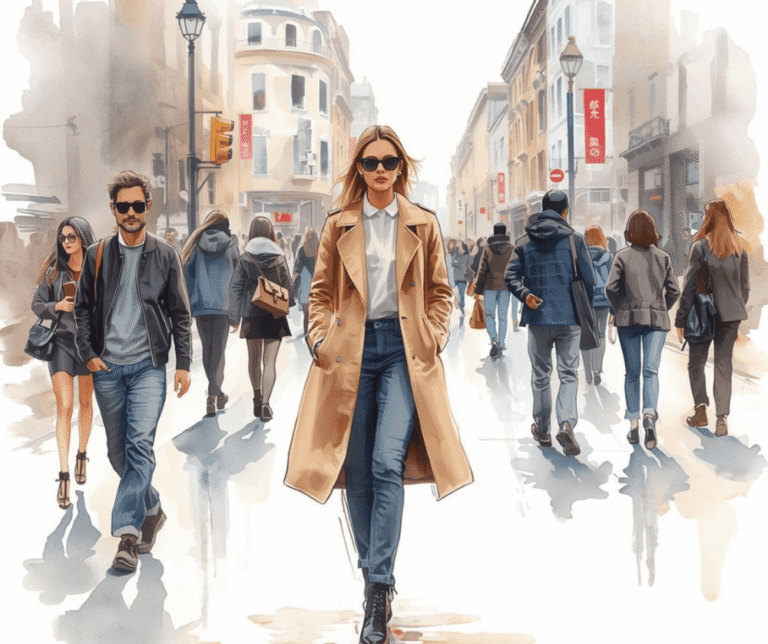
In the fast-evolving world of fashion, where trends rise and fall with a swipe, few influencers have managed to stay consistently relevant, innovative, and entrepreneurial. Danielle Bernstein, the force behind the massively popular fashion blog We Wore What, continues to shape the global fashion narrative in 2025 — not just as a trendsetter but as a businesswoman redefining what it means to be a digital fashion mogul. 

👠 Who Is Danielle Bernstein? 

Danielle started We Wore What in 2010 as a personal street-style blog while she was still a student at the Fashion Institute of Technology (FIT) in New York. Fast-forward to 2025, and she has grown her blog into a full-scale fashion and lifestyle brand that encompasses clothing lines, tech ventures, a best-selling memoir, and a dedicated community of millions. 

Her distinctive style blends downtown NYC edge with elevated streetwear, characterized by oversized blazers, structured denim, statement accessories, and a sharp eye for layering. Think of it as effortless cool meets meticulous styling — and it’s inspired countless wardrobes around the globe. 


📸 Style That Speaks: The We Wore What Aesthetic 

Danielle’s visual storytelling has become her signature. On Instagram and TikTok, she curates fashion-forward looks that transition easily from casual brunch dates to after-hours rooftop events. What sets her apart in 2025? 

  • Blended High/Low Fashion: You’ll find Danielle pairing a vintage thrifted coat with $800 designer boots — and making it feel completely natural. 
  • Monochrome Minimalism with a Twist: She often experiments with texture and tailoring rather than bold color. 
  • Functional, Wearable Luxury: Whether it’s her own designs or a brand collaboration, her looks balance form and function. 


🛍️ Her Fashion Empire in 2025 

Danielle isn’t just influencing trends — she’s creating them. Here’s what her fashion footprint looks like today: 

  1. Shop We Wore What

Her direct-to-consumer label features trend-conscious pieces that are wearable, flattering, and accessible. From structured suits to chic swimwear and athletic wear, the line is a top choice for Gen Z and Millennials alike. 

  1. Amazon The Drop & Collabs

Danielle has continually leveraged platform-based collaborations, most notably with Amazon’s The Drop, where limited-edition pieces sell out in minutes. 

  1. Business Ventures

Her tech initiative MOE Assist is still going strong, helping influencers manage brand deals and streamline business tasks. 


🌍 Beyond Fashion: A Voice of Influence 

Danielle has faced public scrutiny in the past — from design disputes to questions about accountability — but she’s evolved. In 2025, she’s leaned into transparency and philanthropy. Whether she’s spotlighting female founders, talking about mental health, or fundraising for causes close to her heart, Bernstein continues to expand her influence beyond the closet. 


💬 Why We’re Still Wearing What She Wears 

Danielle Bernstein’s We Wore What is more than just an outfit diary. It’s a masterclass in personal branding, authentic entrepreneurship, and navigating fashion in a digital-first world. As microtrends come and go, her unique blend of polish, confidence, and relatability keeps her audience coming back — not just to see what she’s wearing, but what she’s building next. 


👀 Want the Look? 

Start here: 

  • Tailored blazers + wide-leg jeans 
  • Chunky gold hoops + sleek hair bun 
  • Statement belts over monochrome layers 

Let’s talk about fitness, not just as a routine, but as a journey that empowers you in every step. Whether you’re aiming to boost your energy, sculpt your body, or simply enhance your overall well-being, this journey is all about YOU. So, grab your workout gear, lace up those sneakers, and let’s dive in!

Embrace Your Strength

Strength comes in many forms. It’s not just about lifting weights but also about lifting yourself up when things get tough. Embrace exercises that make you feel powerful, whether it’s mastering a new yoga pose, hitting personal bests in your weightlifting routine, or crushing a challenging cardio workout. Your strength is limitless.

Find Joy in Movement

Fitness isn’t just about the end goal; it’s about relishing every moment. Find activities that bring you joy – whether it’s dancing, hiking, cycling, or playing a sport. When you enjoy the movement, it becomes less about the “work” and more about the fun.

Nourish Your Body, Nourish Your Soul

Fuel your body with foods that make you feel amazing. Nourishment isn’t just about calories; it’s about feeding your body with the nutrients it craves. Embrace a balanced diet that includes colorful veggies, lean proteins, healthy fats, and lots of hydration. And don’t forget to indulge in a treat every now and then – balance is key!

Celebrate Your Progress

Remember, it’s not just about reaching a certain number on the scale or fitting into a specific size. Celebrate the small victories – like feeling stronger during a workout, having more energy, or simply feeling more confident in your skin. Every step forward is a win.

Support and Lift Each Other

Empowerment is contagious. Lift each other up, celebrate each other’s achievements, and create a community that thrives on support. When we stand together, we become an unstoppable force.

Listen to Your Body

Your body knows best. Listen to its cues. Rest when you need it, push yourself when you can, and always prioritize your well-being. It’s not just about the workouts; it’s about the holistic health of your mind, body, and soul.

Remember, your fitness journey is unique, just like you are. Embrace the challenges, celebrate the victories, and cherish every moment of growth. You’re on your way to becoming the strongest, most vibrant version of yourself.

In a world where beauty standards evolve, one thing remains timeless – the desire for radiant, glowing skin. Achieving that coveted luminosity involves more than just using the right products; it’s about embracing a holistic approach to skincare. Let’s embark on a journey to discover and explore skincare rituals that can help you attain a radiant glow.

  1. Understanding Your Skin:

The first step in any effective skincare routine is understanding your skin type. Whether you have oily, dry, combination, or sensitive skin, each type has unique needs. Take the time to assess your skin and tailor your routine accordingly. Consulting with a dermatologist can provide valuable insights into your skin’s specific requirements.

  1. Cleansing: The Foundation of Radiance:

A radiant complexion begins with clean skin. Regular cleansing helps remove dirt, oil, and impurities that can dull your skin’s natural glow. Opt for a gentle cleanser that suits your skin type, ensuring it effectively cleans without stripping away essential oils.

  1. Exfoliation: Buffing Away Dullness:

Exfoliation is a key step in any skincare ritual. It helps remove dead skin cells, allowing fresh, radiant skin to emerge. Choose a suitable exfoliant – whether chemical or physical – and incorporate it into your routine 1-3 times a week. Be mindful not to over-exfoliate, as this can lead to irritation.

  1. Hydration: Nourishing from Within:

Hydration is crucial for radiant skin. Use a hydrating moisturizer that suits your skin type to lock in moisture. Don’t forget the delicate skin around your eyes – an eye cream can help reduce puffiness and dark circles, contributing to an overall brighter complexion.

  1. Sun Protection: Shielding Your Glow:

Protecting your skin from the sun is a non-negotiable step in any skincare routine. Sunscreen helps prevent premature aging, sunspots, and other sun-induced damages. Choose a broad-spectrum SPF of at least 30 and apply it daily, even on cloudy days.

  1. Serums and Treatments: Targeted Care for Radiance:

Serums and treatments can address specific skincare concerns, such as hyperpigmentation, fine lines, or dullness. Incorporate products containing potent ingredients like vitamin C, hyaluronic acid, or retinol for added radiance. Remember to introduce new products gradually to avoid potential skin reactions.

  1. Holistic Wellness: Radiance from Within:

Skincare isn’t just about external treatments; it’s also influenced by your overall health. Ensure you’re maintaining a balanced diet rich in vitamins and antioxidants. Stay hydrated, get sufficient sleep, and manage stress levels – all of which contribute to a radiant complexion.

  1. Consistency is Key:

Building a radiant skincare routine is not about quick fixes but consistent habits. Stick to your routine, adjusting it as needed based on changes in your skin or the seasons. Patience is crucial, as the effects of a solid skincare routine may take time to become noticeable.

Embarking on a skincare journey for a radiant glow is a commitment to self-care. By understanding your skin, adopting a consistent routine, and embracing a holistic approach, you can unlock the secret to luminous, healthy skin. Remember, the journey to radiant skin is not just about the destination – it’s about enjoying the rituals along the way. So, let your skincare routine be a moment of self-love, bringing out the best in your skin and enhancing your natural glow.