Fashion is often perceived as an expensive pursuit, reserved for those with deep pockets and a taste for designer labels. But true style isn’t about the price tag; it’s about creativity, understanding your body, and knowing how to make the most of what you have. You can cultivate a wardrobe that feels fresh and exciting without maxing out your credit card.
Here are five actionable ways to elevate your look and be genuinely fashionable on a budget:
1. Master the Art of the “Uniform”
Chasing every fleeting trend is not only costly but often leads to a closet full of clothes that don’t mix and match. Instead, identify a personal “uniform” – a silhouette or combination of pieces that you feel great in, regardless of the occasion.
How to do it:
-
Find your core: Is it tailored trousers and a silk blouse? Dark wash jeans and a simple, high-quality t-shirt? A midi-dress with a jacket?
-
Invest in quality core pieces: Once you know your uniform, spend a little more on the main components (like the perfect-fitting blazer or the most comfortable jeans) because you know you’ll wear them constantly.
-
Vary with accessories: Use scarves, belts, jewelry, and shoes to change the feel of your uniform. A simple base allows accessories to shine.
2. Prioritize Fit Over Brand
The single biggest factor that separates a stylish outfit from a sloppy one is fit. A $20 dress that fits you perfectly will look infinitely better than a $200 designer piece that is too baggy, too tight, or too long.
How to do it:
-
Befriend a tailor: Simple alterations—hemming trousers, taking in the waist of a skirt, or shortening sleeves—can transform a mediocre garment into a custom-made staple. The cost of a simple alteration is always less than buying a whole new, expensive garment.
-
Understand your measurements: Know what works for your body. If you’re buying online, pay attention to the size charts and fabric descriptions.
3. Harness the Power of Thrifting and Secondhand Finds
“Sustainable” and “affordable” often go hand-in-hand in the world of fashion. Secondhand shopping is no longer just for vintage enthusiasts; it’s a mainstream way to find unique, high-quality pieces at a fraction of their retail price.
How to do it:
-
Be Patient and Strategic: Go into a thrift store with a list of what you actually need (e.g., a black cashmere sweater, a denim jacket). Browsing aimlessly can be overwhelming.
-
Look for Natural Fibers: Thrift stores are a great place to find wool, silk, linen, and cotton pieces, which generally look more luxurious and last longer than synthetic fabrics.
-
Check the Condition: Inspect seams, zippers, and look for irreparable stains. A quick wash or a button replacement is fine, but major damage defeats the purpose.
4. Color, Texture, and Layering: Your Free Styling Tools
You don’t need new clothes to create new looks; you just need to rethink how you use the clothes you already own.
How to do it:
-
Mix Textures: Combine rough textures with smooth ones for depth—think a chunky knit sweater over a silky slip skirt, or leather with tweed. This makes an outfit look thoughtful and expensive.
-
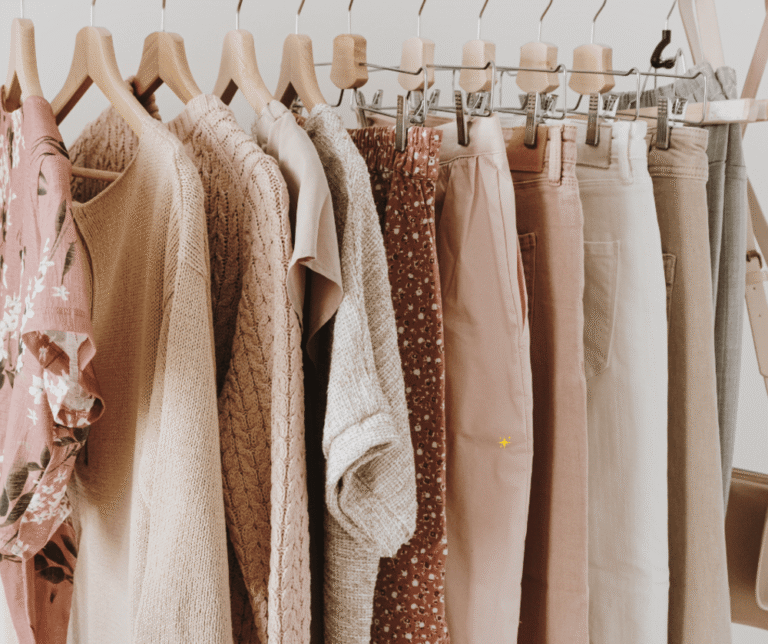
Embrace Monochromatic Dressing: Wearing varying shades of a single color (e.g., camel, beige, and cream) instantly looks sophisticated and put-together, even if the pieces are basic.
-
Layer Wisely: A white collared shirt peeking out from under a crew-neck sweater, or a blazer belted over a thin coat—layering adds dimension and makes simple pieces feel intentional and stylish.
5. Never Underestimate Grooming and Presentation
The most polished outfit can be undone by poor presentation, and conversely, a basic outfit can be elevated by impeccable grooming. This is a budget-friendly style secret!
How to do it:
-
Shoe Care: Always clean your shoes. Scuffed or muddy footwear instantly cheapens a look. A simple polish or wipe-down takes minutes.
-
Ironing/Steaming: Wrinkles are the enemy of sophistication. Take the few minutes to steam or iron your clothes. A crisp shirt or smooth trousers communicate attention to detail.
-
Maintain Accessories: Clean your jewelry, ensure your handbag is tidy inside and out, and check that buttons and hems are secure.
True personal style is a skill, not a financial commitment. By focusing on fit, quality core pieces, strategic shopping, and thoughtful presentation, you can look effortlessly chic and prove that great fashion is truly accessible to everyone.
#StyleOnABudget
#AffordableFashion
#BudgetStyle
#FashionHacks
#ElevateYourLook