Category

Lifestyle

Category

We all know we should exercise. We’ve heard the lectures, seen the social media posts, and maybe even paid for a gym membership we rarely use. The problem is, when most people think of “exercise,” they picture something painful, boring, or incredibly time-consuming.

But what if moving your body wasn’t about punishing yourself or achieving an impossible ideal? What if it was simply about feeling better, having more energy, and supporting your mental health?

Let’s redefine what exercise means and look at simple, sustainable ways to inject movement into your everyday life.

Beyond the Treadmill: Redefining Movement

The biggest barrier to fitness is often the belief that exercise must be a grueling, formal event. It doesn’t. Real, effective movement is anything that increases your heart rate and gets your muscles working.

Forget the “Gym-Only” Mindset:

  • It’s not just cardio: Weight training, yoga, brisk walking, gardening, and even deep cleaning your house count!

  • It doesn’t require hours: The most beneficial changes come from consistency, not intensity. A dedicated 15-minute walk every morning is far more valuable than a punishing two-hour workout you do once a month.

  • Find Your Fun: If you hate running, don’t run. Try dancing, rollerblading, hiking, or learning a simple sport. When movement feels like play, you’re much more likely to stick with it.

The Real Rewards: What Exercise Gives You

While physical appearance is often the focus, the most immediate and profound benefits of moving your body are internal:

1. Instant Mood Boost

Physical activity releases endorphins and dopamine—your body’s natural mood elevators. Feeling stressed, anxious, or sluggish? A quick walk can often act as a powerful reset button, helping to clear your mind and improve focus. Exercise is one of the best natural treatments for managing stress and mild depression.

2. Better Sleep and Energy

It seems counterintuitive, but using energy actually creates more energy. Regular movement helps regulate your circadian rhythm, leading to deeper, more restorative sleep at night. When you sleep better, you wake up feeling more refreshed and less reliant on caffeine.

3. Protection for Your Brain

Movement increases blood flow to the brain, which helps protect memory and thinking skills. It also has been shown to improve concentration and creativity. Think of exercise as food for your brain cells!

Three Simple Ways to Start Today

Don’t wait for Monday or the beginning of a new month. Start with micro-movements that require minimal commitment but deliver maximum impact.

1. The Power of the “Movement Snack”

Instead of scheduling a massive workout, break your activity into short, manageable bursts throughout the day. Set a timer to go off every hour. When it rings, do one of the following for just three minutes:

  • Walk around the house or office while taking a call.

  • Do a set of 10 squats while waiting for the kettle to boil.

  • Try a few quick push-ups against the kitchen counter.

These mini-sessions accumulate quickly and stop the negative effects of prolonged sitting.

2. “Stack” Your Habits

Pair a new movement habit with an existing one. This technique, called habit stacking, makes the new activity automatic:

  • After I pour my coffee, I will do 20 calf raises.

  • Before I watch my evening show, I will stretch for five minutes.

  • While I listen to a podcast, I will take the dog for a fast 15-minute walk.

3. Upgrade Your Commute

If possible, trade some driving time for walking or biking. If you take public transit, get off one stop earlier and walk the rest of the way. If you work from home, walk a full loop around your neighborhood before you sit down for your first task—it acts as a clear separation between home life and work time.

The goal isn’t perfection; the goal is consistency. Start small, be patient, and focus on how much stronger, happier, and more energized you feel. Your body is designed to move, and it thanks you every time you give it a chance to stretch, jump, or walk. Just move, and the rest will follow.

In a world where technology often keeps us glued to our screens, exercise is the ultimate reminder that our bodies were made to move. Whether it’s a brisk walk in the park, a yoga flow at home, or a heart-pumping gym session, regular physical activity is one of the best gifts you can give yourself. Let’s explore why exercise is so powerful and how it can positively shape your body, mind, and overall well-being.

 Physical Benefits of Exercise

  1. Improves Strength and Endurance
    Exercise helps build muscle, strengthen bones, and improve cardiovascular health. When you stay active, your body becomes more efficient at delivering oxygen and nutrients to tissues, boosting energy and performance in daily life.

  2. Aids Weight Management
    Regular workouts help regulate metabolism and support healthy weight loss or maintenance. Even small activities like walking or cycling can burn calories and improve body composition over time.

  3. Boosts Immunity
    Moderate exercise enhances your immune system, making it easier for your body to fight off infections and diseases. Think of it as natural armor for your health.

 Mental and Emotional Benefits

  1. Reduces Stress and Anxiety
    Physicalactivity triggers the release of endorphins—the body’s natural mood elevators. It helps calm the mind, reduce stress hormones, and improve emotional stability.

  2. Enhances Focus and Memory
    Exercise increases blood flow to the brain, improving concentration, creativity, and cognitive performance. It’s like hitting a mental refresh button.

  3. Builds Confidence and Self-Esteem
    Achieving fitness goals—big or small—instills a sense of accomplishment and confidence. Over time, you’ll notice positive changes not just in your body, but in how you view yourself.

 How to Make Exercise a Habit

  1. Start Small
    You don’t need to spend hours in the gym. Begin with 15–30 minutes of movement each day and gradually increase as you build consistency.

  2. Find What You Enjoy
    The best workout is the one you’ll stick with. Try different activities—dancing, hiking, swimming, or even gardening—until you find something that makes you look forward to moving.

  3. Stay Consistent, Not Perfect
    Missing a day or two isn’t failure. What matters is getting back on track and making physical activity a normal part of your lifestyle.

 The Bottom Line

Exercise is more than just a way to look good—it’s a powerful tool for a healthier, happier life. By making movement a regular part of your routine, you’ll strengthen your body, sharpen your mind, and boost your emotional well-being. So lace up your shoes, stretch your muscles, and start moving—your future self will thank you!

#PowerOfExercise

#MoveYourBody

#FitnessMotivation

#TransformYourLife

#VibesChanger

#BuzzCreatorsDigitalMedia

In today’s busy world, it’s easy to forget how powerful a little movement can be. Between work, school, and endless screen time, exercise often takes a back seat. But regular physicalactivity isn’t just about looking fit — it’s one of the best things you can do for your body, mind, and overall well-being.


💪 1. Exercise Keeps Your Body Strong

Exercise helps your muscles, bones, and heart stay healthy. Whether you’re lifting weights, cycling, or dancing in your room, movement strengthens your body and keeps it functioning smoothly.
Regular exercise:

  • Boosts energy levels.

  • Improves heart health.

  • Enhances flexibility and balance.

  • Helps maintain a healthy weight.

Even small daily activities — like walking your dog or taking the stairs — add up over time!


🧠 2. Exercise Is Great for Your Mind

Exercise isn’t only about the body — it’s also a natural mood booster. When you move, your brain releases endorphins, often called “happy hormones.” These chemicals reduce stress, fight anxiety, and help you feel more relaxed.

A quick morning jog or an evening walk can help clear your mind, improve focus, and even make you sleep better at night.


❤️ 3. Exercise Builds Discipline and Confidence

Starting a workout routine can be tough, but sticking with it builds discipline and self-belief. Each workout — no matter how small — is a step forward. As you notice progress, you’ll gain confidence not just in your physical abilities but in other areas of life too.

Remember: it’s not about being perfect — it’s about being consistent.


🕒 4. You Don’t Need Hours — Just Start Small

Many people think they need to spend hours in the gym to see results. In reality, 20–30 minutes a day of moderate activity is enough to make a difference.
Try:

  • A 20-minute brisk walk.

  • A short YouTube workout.

  • Stretching before bed.

  • Dancing to your favorite songs.

Consistency matters more than intensity. Find something you enjoy — and you’ll stick to it.


🌞 5. Exercise Improves Long-Term Health

Science shows that regular exercise reduces the risk of:

  • Heart disease

  • Diabetes

  • High blood pressure

  • Depression

  • Some types of cancer

It also keeps your immune system strong and helps your body age gracefully. Think of it as a long-term investment in your health and happiness.


🌿 Final Thoughts

Exercise doesn’t have to be complicated or intimidating. It’s about moving your body and feeling good. Whether it’s yoga, jogging, swimming, or simply playing outside, the key is to make it part of your routine.

Start small, stay consistent, and celebrate your progress.
Because every step, stretch, and squat counts toward a stronger, happier you!


“Take care of your body — it’s the only place you have to live.”

#Exercise
#FitnessJourney
#HealthyLifestyle
#WorkoutMotivation
#GetActive
#StayFit

#VibesChanger

#BuzzCreatorsDigitalMedia
In today’s fast-paced world, finding time to move your body can feel like a luxury. Yet, exercise is one of the most powerful tools for improving physicalhealth, mental clarity, and emotional well-being. Whether you’re lifting weights, jogging through the park, or dancing in your living room, regular physical activity can transform your life in more ways than you might imagine.

1. Physical Benefits of Exercise

Exercise strengthens the heart, muscles, and bones. It helps improve blood circulation, boosts energy levels, and increases flexibility. Regular movement also supports a healthy weight and reduces the risk of chronic illnesses such as diabetes, hypertension, and heart disease. Even 30 minutes of moderate activity each day can make a noticeable difference.

2. Mental and Emotional Health

Beyond physical health, exercise is a natural mood booster. When you work out, your body releases endorphins—often called “feel-good” hormones—that help reduce stress, anxiety, and depression. Many people find that regular exercise sharpens their focus, enhances creativity, and improves sleep quality.

3. Building a Routine That Works for You

The best exercise routine is one that fits your lifestyle and feels enjoyable. You don’t have to commit to long hours at the gym. Walking, cycling, swimming, yoga, or even household chores count as physical activity. Consistency matters more than intensity, so start small and gradually increase your effort as your fitness improves.

4. The Role of Rest and Recovery

Rest is an essential part of any exercise plan. Muscles grow and repair during rest, not just during activity. Overtraining can lead to fatigue and injuries, so it’s important to listen to your body and balance exercise with adequate sleep and recovery.

5. Staying Motivated

Setting realistic goals and tracking progress can help you stay motivated. Working out with a friend, joining a fitness class, or listening to energizing music can make exercise more enjoyable. Remember, every movement counts—what matters most is showing up for yourself each day.


Conclusion

Exercise is not a punishment; it’s a celebration of what your body can do. It’s a simple yet powerful way to enhance your quality of life, both physically and mentally. Whether you’re just starting or looking to push your limits, remember that every step, stretch, and movement brings you closer to a healthier, happier you.

#HealthyLiving#FitnessJourney#ExerciseForLife#GetActive#WellnessLifestyle#VibesChanger#BuzzCreatorsDigitalMedia

In today’s fast-paced world, many people overlook one of the most effective ways to improve their overall health — regular exercise. Whether it’s a brisk walk in the park, a yoga session at home, or a full workout at the gym, physical activity can do wonders for both your body and your mind.

Why Exercise Matters

Exercise is much more than a way to lose weight or build muscles. It’s a vital component of a healthy lifestyle that supports your heart, strengthens your bones, and enhances your immune system. Studies show that people who exercise regularly have a lower risk of chronic illnesses such as heart disease, diabetes, and certain types of cancer.

But the benefits don’t stop there. Exercise also plays a huge role in mental health. It helps reduce stress, anxiety, and depression by releasing endorphins — often called the “feel-good” hormones. Even a short workout can lift your mood and give you a burst of energy to tackle the rest of your day.

Different Types of Exercise

  1. Aerobic Exercise: Activities like jogging, swimming, and cycling improve cardiovascular health and increase endurance.

  2. Strength Training: Lifting weights or using resistance bands helps build muscle and boosts metabolism.

  3. Flexibility and Balance Exercises: Yoga, stretching, and Pilates improve posture, flexibility, and coordination.

A balanced fitness routine includes a mix of these exercises to achieve overall wellness.

How to Get Started

Starting an exercise routine doesn’t have to be overwhelming. Begin with small steps:

  • Set realistic goals, such as walking for 20 minutes a day.

  • Choose activities you enjoy — you’re more likely to stick with them.

  • Gradually increase the intensity and duration of your workouts.

  • Stay consistent, and remember that progress takes time.

It’s also important to listen to your body. Rest and recovery are just as essential as active workouts.

Exercise as a Lifestyle

The best approach to fitness is to see it as a lifelong journey, not a temporary goal. When exercise becomes part of your routine — like brushing your teeth or eating breakfast — it transforms your health, confidence, and quality of life.

So, whether you’re taking your first steps or are already an active person, keep moving. Every bit of effort counts, and your future self will thank you for it.

#Exercise

#FitnessMotivation

#Workout

#HealthyLiving

#HealthAndWellness

#VibesChanger

#BuzzCreatorsDigitalMedia

When you think of exercise, what comes to mind? For some, it’s the image of someone sweating it out at the gym. For others, it’s a morning jog through the neighborhood or a peaceful yoga session. No matter what form it takes, one thing is clear: exercise is essential—not just for a fit body, but for a fulfilling life.

Exercise Is for Everyone

You don’t need to be an athlete or have a personal trainer to reap the benefits of physicalactivity. Exercise is for everyone—regardless of age, body type, or fitness level. Whether you’re walking the dog, dancing in your living room, or doing stretches at your desk, it all counts.

The beauty of exercise is that it’s adaptable. You can tailor it to suit your schedule, preferences, and goals. The most important part? Start moving, and keep moving.

The Long List of Benefits

We often associate exercise with weight loss or muscle gain, but its impact goes much deeper. Here are just a few of the powerful benefits:

  • Improved mood: Exercise releases chemicals like serotonin and dopamine, which naturally boost your mood.

  • Better sleep: Physical activity helps regulate your sleep patterns, making it easier to fall—and stay—asleep.

  • Increased energy: It might seem counterintuitive, but using energy through exercise actually increases overall energy levels.

  • Reduced health risks: Regular movement lowers the risk of chronic illnesses like diabetes, heart disease, and certain cancers.

And let’s not forget the mental clarity that comes after a good workout—your mind feels sharper, your focus stronger, and your stress levels noticeably lower.

Creating a Routine That Works

You don’t need hours of free time to make exercise a habit. Start with 20 minutes a day, a few times a week. Walk during your lunch break, do a home workout video, or try a newapp. Over time, those small steps can lead to big changes.

Here are a few tips to stay consistent:

  • Schedule it: Treat exercise like any other appointment.

  • Make it fun: Choose activities you enjoy so it doesn’t feel like a chore.

  • Set realistic goals: Focus on progress, not perfection.

  • Track your success: Keep a journal or use an app to monitor your improvements.

Listen to Your Body

It’s important to challenge yourself, but not to the point of injury or burnout. Rest and recovery are just as important as the workouts themselves. Pay attention to how your body feels, and don’t be afraid to adjust your routine as needed.

Final Words

Exercise isn’t just about changing the way you look—it’s about improving how you feel, how you function, and how you live. It’s a form of self-respect and care that pays off in every area of life.

So whether you’re a fitness enthusiast or just starting out, remember: every bit of movement matters. Your future self will thank you for the effort you put in today.


#ExerciseForLife

#FitnessJourney

#HealthyLiving

#MoveYourBody

#ActiveLifestyle

#VibesChanger

#BuzzCreatorsDigitalMedia

In today’s fast-paced, screen-heavy world, it’s easy to forget one simple truth — our bodies were made to move. Whether it’s a brisk walk, a gym workout, or a weekend bike ride, regular exercise offers benefits that go far beyond physical appearance. It’s one of the most powerful tools we have to boost health, improve mood, and increase our quality of life.

🧠 Mental Health Matters

Exercise is not just about muscles — it’s medicine for the mind. Physical activity helps reduce stress, anxiety, and depression by increasing the production of endorphins, the body’s natural “feel-good” chemicals. Just 30 minutes of moderate exercise a few times a week can make a significant difference in your emotional well-being.

❤️ Physical Health Benefits

From strengthening the heart to improving lung capacity, the physical benefits of exercise are well-documented. Regular movement helps regulate blood pressure, manage weight, and reduce the risk of chronic diseases such as type 2 diabetes, heart disease, and certain types of cancer. It also boosts your immune system, making you more resilient to illness.

😴 Better Sleep and More Energy

Struggling with sleep? Regular physical activity can help regulate your sleep cycle, helping you fall asleep faster and enjoy deeper rest. Surprisingly, even a short workout can increase energy levels, making you feel more awake and alert during the day.

🧘 Confidence and Discipline

Exercise builds more than physical strength — it builds self-confidence. Setting and reaching fitness goals (even small ones) boosts your sense of achievement. Over time, this leads to improved self-esteem and better discipline, which can carry over into other areas of life, like work or study.

👨‍👩‍👧‍👦 Social and Lifestyle Benefits

Many forms of exercise are social by nature. Joining a fitness class, running club, or sports team can open the door to new friendships and support networks. Even solo workouts help you disconnect from digital noise and reconnect with yourself.


🚶‍♀️ Getting Started

You don’t need a gym membership or fancy equipment to get moving. Start small:

  • Take the stairs instead of the elevator

  • Go for a 15-minute walk after dinner

  • Try a home workout video or light yoga

  • Dance to your favorite song in the living room!

The key is consistency, not perfection. Find something you enjoy and make it part of your routine.


🌟 Final Thoughts

Exercise isn’t a punishment for what you ate — it’s a celebration of what your body can do. It’s an investment in your future, both physically and mentally. No matter your age or fitness level, it’s never too late to start moving and start feeling better.

#PowerOfExercise

#MovementIsMedicine

#GetMoving

#ActiveLifestyle

#FitnessJourney

#VibesChanger

#BuzzCreatorsDigitalMedia

Introduction

In 2025, fitness is no longer just about muscle growth or calorie burn — it’s about balance, awareness, and emotional well-being. The connection between the mind and body has become the foundation of modern exercise trends, giving rise to what’s now known as mindful and mental health-oriented exercise.

This holistic approach blends physical movement with mindfulness, breathing, and emotional awareness — helping people achieve inner calm while strengthening their bodies. It’s not about pushing limits but about understanding them.


1. The Shift from Physical to Holistic Fitness

In earlier years, fitness culture focused primarily on physical results — strength, endurance, or appearance. But in 2025, there’s a clear shift toward holistic health. People are recognizing that mental clarity and emotional stability are just as important as physical strength.

Mindful exercise emphasizes listening to the body, staying present, and performing movements that nourish both body and mind. This shift has turned exercise from a task into a therapeutic experience.


2. What Is Mindful Exercise?

Mindful exercise combines awareness, breathing, and intentional movement. It means being fully engaged with every stretch, step, or pose — noticing how the body feels and responding with compassion.

Whether it’s yoga, Pilates, tai chi, or simple mindful walking, the goal is the same: to connect movement with inner peace. These workouts help reduce anxiety, improve focus, and enhance overall mental health.

Examples of mindful exercises include:

  • Yoga and breathwork sessions

  • Guided meditation with stretching

  • Nature walks with sensory awareness

  • Slow resistance training with deep focus

  • Dance therapy and expressive movement


3. The Mental Health Benefits of Mindful Exercise

The benefits go far beyond physical wellness. Regular mindful movement can improve brain chemistry, lower cortisol (stress hormone) levels, and increase serotonin — the “feel-good” hormone.

Key mental health benefits include:
Reduced stress and anxiety
Improved emotional regulation
Better sleep and relaxation
Enhanced concentration and creativity                                       Greater self-awareness and body acceptance

In short, mindful movement turns exercise into a form of self-care — something you look forward to, not something you have to do.


4. Technology Meets Mindfulness in 2025

The digital age hasn’t just revolutionized fitness — it’s enhanced mindfulness too. In 2025, AI-based fitness apps integrate mindful tracking and mental health analytics. Users can monitor stress levels, breathing quality, and even emotional patterns through wearables.

Some modern platforms combine guided meditation with physical training, offering complete wellness programs that sync mind and body in real time.

Trending examples:

  • AI mindfulness coaches

  • Smartwatches with stress-level sensors

  • Virtual reality meditation and yoga sessions

  • “Calm + Cardio” hybrid fitness apps


5. Mindfulness in Everyday Movement

One of the biggest lessons of mindful fitness is that you don’t need a gym to feel well. Simply bringing awareness into daily activities — like walking, cleaning, or stretching at your desk — can improve your mood and reduce mental fatigue.

In 2025, this is often called “movement mindfulness” — the idea that any form of physical activity, when done consciously, can become a meditative experience.


6. Corporate Wellness and Mindful Workouts

As mentalhealth becomes a workplace priority, more organizations are adopting mindful fitness sessions for employees. These programs include guided breathing breaks, desk yoga, or short movement meditations that help boost productivity and focus.

By blending physical activity with mindfulness, companies are reducing burnout and creating healthier, more emotionally balanced teams.


7. How to Start a Mindful Exercise Routine

Starting a mindful exercise practice doesn’t require expensive equipment or advanced skills — just intention and consistency.

Here’s how you can begin:

  1. Start small: Begin with 10 minutes of deep breathing or light yoga daily.

  2. Eliminate distractions: Keep your phone away and focus fully on the movement.

  3. Breathe intentionally: Let your breath guide your rhythm.

  4. Stay consistent: Mindful movement works best when it’s a daily habit.

  5. Reflect: End each session by noticing how your body and mind feel.


8. The Future of Mindful Fitness

Mindful exercise in 2025 isn’t a passing trend — it’s a movement redefining what fitness truly means. The future will see more AI-guided mental fitness programs, sound therapy workouts, and emotion-tracking wearables.

The focus is shifting from perfection to presence — where wellness is measured not just in steps or reps, but in peace of mind.


Conclusion

The rise of mindful and mental health-oriented exercise reflects a powerful evolution in how we define fitness. It’s not about competition, exhaustion, or appearance — it’s about connection, care, and consciousness.

In 2025 and beyond, the most powerful workout is one that strengthens your mind as much as your muscles.

#FitnessRevolution2025
#FutureOfFitness
#WellnessJourney
#HealthyLiving
#HolisticWellness

#VibesChanger
#BuzzCreatorsDigitalMedia

We all know exercise is “good for us,” but in a world of conflicting advice and overwhelming schedules, it’s easy to push movement to the bottom of the priority list. It’s time to reframe how we think about physical activity—not as a chore, but as an essential ingredient for a rich, energetic, and healthy life.

Beyond the Scale: The True Rewards of Movement

While achieving an aesthetic goal is a valid motivator, the real magic of exercise happens far beneath the surface. Consistent physicalactivity is one of the most powerful tools we have for enhancing overall well-being.

1. Mental Clarity and Mood Boost: Ever noticed that a frustrating problem seems to solve itself after a brisk walk? Exercise stimulates the production of endorphins, natural mood elevators that can help alleviate symptoms of stress, anxiety, and even depression. It’s a powerful, non-prescription antidote to a bad day.

2. Sleep Deeper, Live Better: Regular movement helps regulate your body’s natural sleep cycle. While intense exercise too close to bedtime can be disruptive, consistent daytime activity improves sleep quality, helping you fall asleep faster and stay asleep longer.

3. Disease Prevention is the Best Medicine: A lifetime of movement is your defense against a host of chronic conditions. It strengthens your heart, improves blood flow, helps manage blood sugar, and maintains healthy blood pressure, significantly reducing the risk of heart disease, stroke, type 2 diabetes, and certain cancers.

4. Stronger Bones and Better Balance: As we age, maintaining bone density becomes crucial. Weight-bearing exercises (like walking, running, or lifting) and balance training help keep your bones strong and your stability sharp, reducing the risk of falls and fractures.

It Doesn’t Have to Be a Marathon

One of the biggest hurdles people face is the belief that exercise requires a grueling gym session or hours of dedicated time. This couldn’t be further from the truth. The most effective activity is the one you will actually do!

Simple Steps to Integrate Movement:

  • The Power of 10: Can’t find 30 minutes? Find three 10-minute slots. A 10-minute walk before work, a 10-minute stretching routine during your lunch break, and 10 minutes of jumping jacks or bodyweight squats in the evening. It all adds up!

  • Move With Intention: Turn everyday activities into exercise. Take the stairs instead of the elevator. Park at the back of the lot. Clean the house with vigor. Walk or cycle short errands instead of driving.

  • Find Your Joy: If you hate running, don’t run. Try dancing, swimming, hiking, gardening, or a martial art. Movement should be something you look forward to, not dread.

  • The Social Sweat: Join a local sports team, a walking club, or a group fitness class. Exercising with others can provide motivation, accountability, and an added layer of fun.

Starting Today: A Simple Action Plan

Don’t wait for the “perfect time” or the “right equipment.” Start where you are, with what you have.

  1. Set a Realistic Goal: Instead of “I will work out every day,” try “I will walk for 20 minutes, 3 times this week.”

  2. Schedule It: Treat your movement time like an important meeting. Put it in your calendar and commit to it.

  3. Listen to Your Body: Rest days are not a sign of failure—they are essential for growth and injury prevention. If you feel tired or sore, take a lighter day.

Embracing movement isn’t about fitting into a certain mold; it’s about unlocking the energy, clarity, and vitality you already possess. Take that first step today—your best self is waiting!

#SelfImprovement

#PersonalGrowth

#WellnessJourney

#MindBodySoul

#VibesChanger

#BuzzCreatorsDigitalMedia
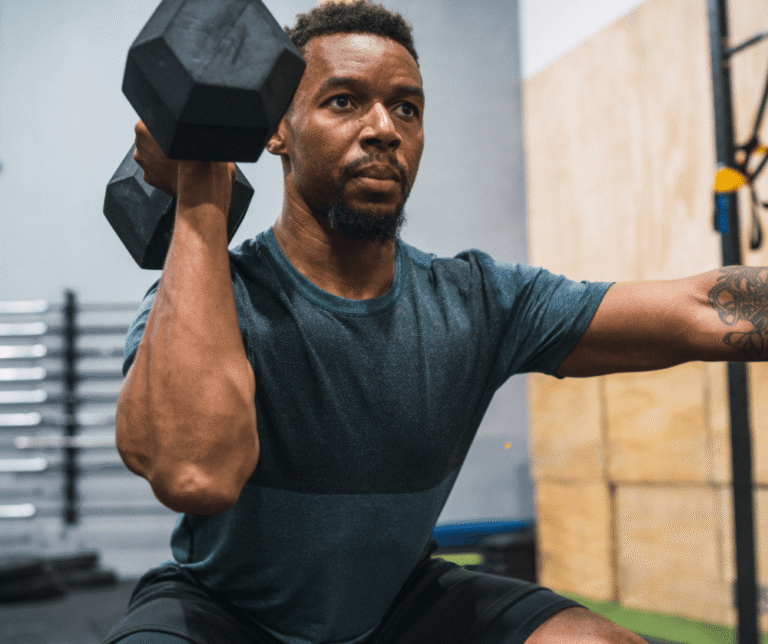
Exercise is more than just a way to shed pounds or build muscle—it’s a fundamental part of a healthy lifestyle that affects your body, mind, and overall well-being. Regular physical activity is essential for maintaining optimal health, reducing the risk of chronic diseases, and improving your mental clarity and emotional stability. Despite the many benefits of exercise, it’s something that many people struggle to prioritize in their busy lives. But the good news is that incorporating movement into your daily routine doesn’t have to be complicated. Whether you prefer a vigorous workout or a gentle walk, making exercise a habit can significantly improve your quality of life.

The Physical Benefits of Exercise

One of the most obvious benefits of exercise is its positive impact on physicalhealth. Here are some key reasons why staying active is crucial:

1. Boosts Cardiovascular Health

Exercise strengthens the heart, improving circulation and lowering blood pressure. Cardiovascular exercise, such as walking, running, or cycling, helps to reduce the risk of heart disease and stroke by improving the efficiency of your heart and lungs.

2. Builds and Maintains Muscle Mass

Regularstrengthtraining exercises help to build muscle, which is vital as we age. Muscles not only contribute to your overall strength but also boost metabolism, making it easier to maintain a healthy weight.

3. Enhances Flexibility and Joint Health

Stretching and yoga can increase flexibility and mobility, reducing the risk of injuries and improving posture. Regular movement helps to keep the joints healthy and can alleviate symptoms of conditions like arthritis.

4. Supports Weight Management

Exercise helps you burn calories, which, when combined with a balanced diet, is key for maintaining a healthy weight. Physical activity increases your metabolism, even after you’ve finished working out, leading to more efficient calorie burning.

5. Improves Sleep Quality

Regular physical activity can improve the quality of your sleep. People who exercise tend to fall asleep faster, sleep more deeply, and wake up feeling more rested.

The Mental and Emotional Benefits of Exercise

Exercise is not just for the body—it has profound effects on the mind as well. Here’s how:

1. Reduces Stress and Anxiety

Physical activity promotes the release of endorphins, the body’s natural mood elevators. Exercise also helps to regulate the stress hormone cortisol, leading to a greater sense of calm and relaxation.

2. Boosts Mental Clarity and Focus

When you engage in regular physical activity, your brain receives more oxygen and nutrients, which enhances cognitive function. Exercise has been linked to improved memory, creativity, and focus, making it easier to stay sharp throughout the day.

3. Fights Depression

Exercise can be as effective as therapy or medication for some people in managing symptoms of depression. Physical activity increases the production of neurotransmitters like serotonin and dopamine, which are key in mood regulation.

4. Improves Self-Esteem

Engaging in exercise improves self-image and confidence. As you progress in your fitness journey and see positive changes in your body, you begin to feel better about yourself, which can enhance your overall sense of self-worth.

How to Get Started with Exercise

Starting a new fitness routine can feel intimidating, but the key is to take small steps and gradually build up. Here are a few tips to help you get started:

1. Set Realistic Goals

It’s easy to get discouraged if you set goals that are too ambitious. Start with small, attainable goals and gradually challenge yourself as you progress. Whether it’s walking for 20 minutes a day or lifting a specific weight, celebrate your victories along the way.

2. Find Activities You Enjoy

Exercise doesn’t have to be a chore. Whether you enjoy dancing, swimming, hiking, or cycling, find something you love to do. The more fun your workouts are, the more likely you are to stick with them.

3. Mix It Up

Doing the same exercise every day can become boring. Try mixing things up by incorporating a variety of activities, such as strength training, cardio, flexibility exercises, and recreational sports. This will keep your routine interesting and ensure that you’re working different muscle groups.

4. Start Slow

If you haven’t exercised in a while, start slow and gradually increase the intensity and duration of your workouts. Overdoing it in the beginning can lead to burnout or injury, so ease into it and listen to your body.

5. Stay Consistent

Consistency is key when it comes to seeing results. Aim to make exercise a regular part of your routine, whether it’s daily or a few times a week. Even on days when you’re feeling low-energy, try to do something active—whether it’s a short walk or some gentle stretching.

Conclusion

Exercise is an essential part of living a long and healthy life. It not only improves physical health but also boosts mental well-being, enhances mood, and reduces stress. By incorporating regular movement into your daily routine, you can unlock a wealth of benefits for both your body and mind. Remember, the best form of exercise is the one you enjoy, so find what works for you and stick with it. The journey to better health begins with just one step, and every little bit counts. So get moving today for a better tomorrow!

#ExerciseForHealth
#GetMoving
#FitnessJourney
#MoveYourBody
#HealthyLiving
#VibesChanger
#BuzzCreatorsDigitalMedia