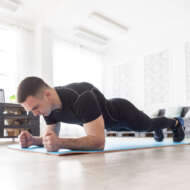

Exercise is often seen as something only athletes or fitness enthusiasts need to worry about, but in reality, it is a basic part of a healthy lifestyle for everyone. It does not require expensive equipment, a gym membership, or intense routines. Regular physical activity, even in small amounts, can improve both physical health and mental well-being.
What Is Exercise?
Exercise is any planned physical activity that helps keep the body active and strong. This can include walking, cycling, playing sports, dancing, stretching, or practicing yoga. The goal is not perfection or extreme performance, but consistency and movement. When the body moves regularly, it functions better in everyday life.
Physical Benefits of Exercise
One of the most important benefits of exercise is improved physical health. Regular activity helps strengthen muscles and bones, improves heart health, and supports better posture and balance. It also helps the body use energy more efficiently, which can reduce the risk of health problems over time.
Exercise supports better flexibility and endurance, making daily tasks such as climbing stairs, carrying bags, or standing for long periods easier. Over time, staying active can help the body feel more energetic instead of tired.
Mental and Emotional Benefits
Exercise is not only good for the body—it is also powerful for the mind. Physical activity helps release natural chemicals in the brain that can improve mood and reduce stress. Even a short walk or light stretching can help clear the mind after a long or stressful day.
People who exercise regularly often find it easier to focus, sleep better, and feel more confident. Exercise can also be a healthy way to manage emotions like frustration or nervousness, especially during busy or challenging times.
Exercise and Daily Life
A common misconception is that exercise must be time-consuming or difficult. In reality, it can easily fit into daily routines. Walking or cycling instead of using transport, taking short activity breaks during study or work time, or playing outdoor games with friends are all simple ways to stay active.
The key is to choose activities that are enjoyable. When exercise feels fun, it becomes a habit rather than a chore. Everyone has different preferences, so what matters most is finding movement that feels comfortable and motivating.
Staying Consistent
Consistency is more important than intensity. Doing moderate exercise regularly is more beneficial than exercising very hard only once in a while. Setting realistic goals, starting slowly, and listening to the body helps prevent injury and burnout.
Rest is also important. The body needs time to recover, especially after physical activity. A healthy balance between movement and rest supports long-term fitness and well-being.
Conclusion
Exercise is a simple yet powerful tool for living a healthier and more balanced life. It supports physicalstrength, mental clarity, and emotional stability. By making movement a regular part of daily life—no matter how small—it is possible to build habits that benefit the body and mind for years to come.
The best exercise is the one you enjoy and can continue. Start where you are, move at your own pace, and let exercise become a positive part of your lifestyle.
-
#HealthyHabits
-
#WellnessJourney
-
#ActiveLiving
-
#FitnessMotivation
-
#DailyMovement
- #VibesChanger
- #BuzzCreatorsDigitalMedia