
Category

Food

Category

Food is more than just fuel for our bodies — it’s an experience that brings people together, tells stories of culture and history, and sparks joy in everyday life. From a comforting bowl of soup to a five-course gourmet meal, food plays a central role in how we live, celebrate, and connect with others.

Food as Culture

Every dish has a story. Whether it’s the hand-rolled pasta in Italy or the richly spiced biryani in India, food carries the traditions and values of a culture. Recipes are passed down through generations, often with a personal twist, preserving heritage while allowing room for creativity.

Traveling the world through food is one of the most accessible ways to experience new cultures. A bite of sushi tells a tale of precision and balance from Japan, while a Moroccan tagine offers layers of spices and slow-cooked comfort. Exploring global cuisines helps us appreciate diversity and understand people in a deeper, more delicious way.

The Social Side of Food

Food is a natural connector. Families gather around dinner tables, friends meet over coffee, and communities celebrate with feasts during festivals and holidays. Sharing a meal breaks down barriers and encourages conversation.

Even in modern digital times, food remains central to social interaction. Think of food blogs, recipe-sharing on social media, or even virtual cooking classes — people are constantly finding ways to connect through what they eat and how they prepare it.

Health and Well-Being

In recent years, the focus on healthy eating has grown significantly. People are becoming more aware of what they put into their bodies, looking beyond taste to consider nutrition, ingredients, and long-term wellness. Balanced diets, plant-based alternatives, and functional foods that support digestion, immunity, and energy are now part of mainstream conversations.

But healthy eating doesn’t have to mean boring meals. With access to countless recipes and fresh ingredients, it’s easier than ever to prepare meals that are both nourishing and satisfying.

The Future of Food

As the world changes, so do our eating habits. Sustainability is now a key concern, with growing interest in locally sourced ingredients, eco-friendly packaging, and reducing food waste. Technological advances are also reshaping the way we grow, cook, and consume food — from lab-grown meat to vertical farming and AI-powered kitchen gadgets.

We’re entering an era where convenience meets consciousness. People want food that is quick, ethical, healthy, and still bursting with flavor.

Conclusion

Food is more than just a necessity — it’s a celebration of life. It reflects who we are, where we come from, and how we connect with others. Whether you’re a foodie exploring new flavors, a home cook experimenting in the kitchen, or someone simply enjoying a favorite comfort dish, remember: every meal is an opportunity to experience something meaningful.


#FoodJourney
#TasteTheWorld
#CulturalCuisine
#FoodAndCulture
#GlobalFlavors
#FoodStories
#VibesChanger
#BuzzCreatorsDigitalMedia

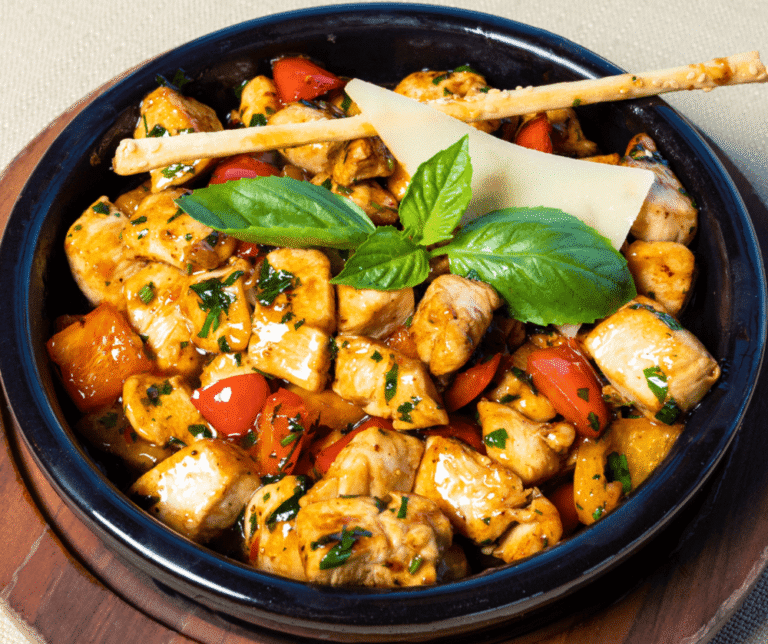
Food is one of the few universal experiences we all share. It nourishes our bodies, brings people together, and tells the story of our cultures and traditions. From a warm bowl of soup on a cold day to a celebratory feast with friends, food goes far beyond simply satisfying hunger—it’s an essential part of life’s most meaningful moments.

A Cultural Connection

Every dish has a story. The spices in Indian curry, the slow-cooked meats in Mexican tacos, or the delicate flavors in Japanese sushi all reflect centuries of history, migration, and innovation. When we eat food from different regions, we aren’t just tasting ingredients—we’re sampling culture, identity, and heritage.

Sharing meals is one of the oldest ways humans have built community. Whether it’s a holiday dinner or a casual picnic in the park, food brings people together across language, borders, and backgrounds.

Eating with Purpose

In today’s fast-paced world, convenience often takes priority over quality. Fast food, processed snacks, and sugary drinks dominate many diets. While there’s nothing wrong with enjoying a treat once in a while, it’s important to remember the benefits of eating wholesome, balanced meals.

A healthydiet can boost energy, support mental clarity, and reduce the risk of chronic illness. Whole foods like fruits, vegetables, whole grains, and lean proteins provide the nutrients our bodies need to function at their best.

Mindful eating—paying attention to what you eat and how it makes you feel—can also transform your relationship with food. It’s not just about what’s on the plate, but how you experience it.

Food as Creativity

Cooking isn’t just a necessity; it’s also an art form. From plating to flavor combinations, preparing a meal can be an expression of creativity and love. Even if you’re not a professional chef, experimenting in the kitchen can be a fun and rewarding experience.

Trying new recipes, blending unexpected ingredients, or even growing your own herbs can deepen your appreciation for the food you eat. It encourages curiosity and a stronger connection to the process behind each bite.

Final Thoughts

Food is more than fuel—it’s a bridge between cultures, a form of self-care, and a celebration of life’s simple pleasures. Whether you’re cooking at home, dining out, or sharing a meal with loved ones, take a moment to savor the flavors, stories, and connections on your plate.

After all, food is not just what we eat—it’s how we live.

#TheJoyOfFood

#MoreThanAMeal

#FoodForJoy

#EatWithJoy

#VibesChanger

#BuzzCreatorsDigitalMedia

Food is far more than just fuel for the body — it’s a language of culture, a symbol of togetherness, and a sensory experience that connects us to memories, people, and places. Whether it’s a home-cooked dish passed down through generations or a quick snack grabbed on the go, food tells a story.

The Cultural Connection

Every culture has its own unique relationship with food. From Italian pasta to Japanese sushi, from spicy Indian curries to French pastries, the diversity in global cuisine reflects the history, geography, and values of different societies. Sharing meals is one of the oldest ways humans bond. Traditional recipes are often handed down like heirlooms, keeping cultural identities alive even across generations and continents.

The Role of Food in Our Lives

In our busy modern lives, food often becomes routine — something we grab quickly between meetings or school runs. But slowing down to enjoy a meal can be a powerful form of self-care. Cooking at home, for instance, allows us to be creative, make healthier choices, and appreciate what we eat more mindfully.

Food also plays a central role in celebrations and life events. Think about birthdays, weddings, holidays — food is always at the heart of it all. It’s a way to gather, to comfort, and to show love.

Trends in the Food World

In recent years, food trends have taken center stage — from plant-based diets and gluten-free alternatives to the rise of farm-to-table dining and sustainable eating. Social media has also transformed how we interact with food. Instagram-worthy meals, TikTok recipe hacks, and viral food challenges are now a regular part of culinary culture.

While trends come and go, the focus on health and sustainability seems to be here to stay. More people are becoming conscious of where their food comes from and how it impacts both their health and the environment.

Food as an Experience

Food engages all five senses. The aroma of fresh-baked bread, the sound of sizzling stir-fry, the visual appeal of colorful salads, the texture of creamy desserts, and of course, the taste — each element adds to the overall experience.

Trying new dishes, experimenting with ingredients, or visiting local restaurants can turn a regular day into an adventure. Even travel is often planned around what and where to eat — because some of the best memories are made around the table.


Final Thoughts

Food is a powerful part of the human experience. It’s not just about survival — it’s about connection, creativity, and joy. So whether you’re enjoying a humble home-cooked meal or exploring a new cuisine, remember to savor every bite. Because in the end, food isn’t just about what’s on the plate — it’s about how it makes you feel.

#TheJoyOfFood

#MoreThanJustAMeal

#FoodIsJoy

#EatWithJoy

#FoodForThought

#VibesChanger

#BuzzCreatorsDigitalMedia
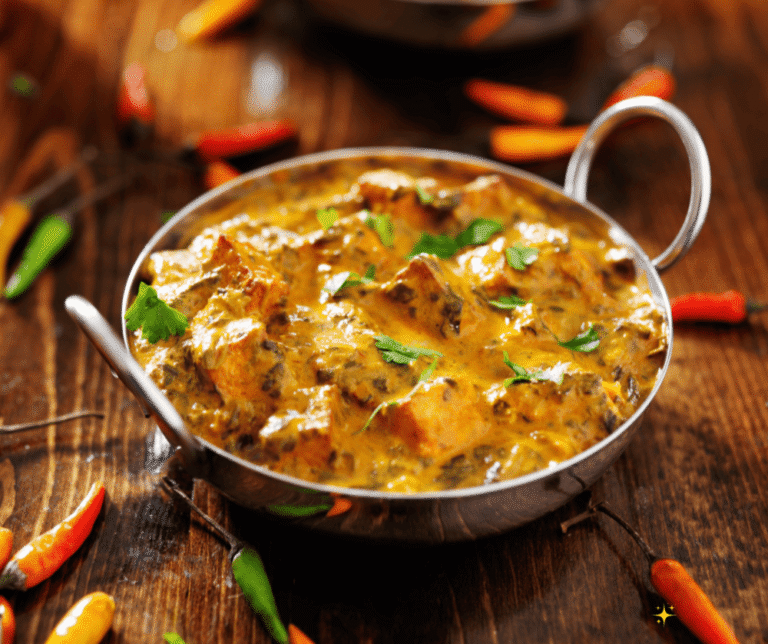
Food is much more than just sustenance. It’s an integral part of our lives, shaping our health, emotions, social connections, and even our identities. From the comforting aromas of home-cooked meals to the cutting-edge advancements in food science, the world of food is as diverse and dynamic as the cultures that cultivate it.

A Journey Through Time: The Evolution of Food

Food has always been at the heart of human civilization. In the earliest days, survival dictated our diet—what we could hunt, gather, and cultivate. As societies developed, so did their culinary practices. Ancient civilizations like Egypt, Greece, and China all contributed to the global tapestry of cuisine, exchanging ingredients, cooking techniques, and flavors along the way.

Fast forward to today, and food has transformed into an art form. Cooking shows, food photography, and social media have elevated culinary craftsmanship to new heights. Chefs are now celebrities, and every meal has the potential to go viral. But despite this modern sophistication, the fundamental role of food remains the same: to nourish, bring people together, and tell stories.

The Intersection of Culture and Cuisine

One of the most fascinating aspects of food is its deep connection to culture. Every dish has a story—whether it’s the rich history behind a bowl of Italian pasta, the complex flavors of Indian curry, or the communal joy of a Mexican fiesta. Food acts as a bridge, connecting us to our past, to our roots, and to the people we share meals with.

Globalization has also played a significant role in blending culinary traditions. Sushi, once a Japanese delicacy, is now enjoyed worldwide, while tacos have found their place in cities across the globe. This fusion of flavors is not just about mixing ingredients; it’s about breaking down barriers and creating new experiences. The beauty of food is its ability to evolve while maintaining a sense of tradition.

Health and Wellness: Eating with Purpose

In recent years, there has been a growing focus on the health aspects of food. As awareness around nutrition and well-being increases, people are becoming more conscious of what they eat. Diet trends such as plant-based eating, keto, paleo, and intermittent fasting are shaping how we approach meals. However, this movement isn’t just about restriction—it’s about balance, mindfulness, and listening to our bodies.

At the same time, the rise of food-related health concerns—such as food allergies, intolerances, and chronic conditions like diabetes—has led to greater innovation in the food industry. Gluten-free, dairy-free, and low-sugar options are more accessible than ever, allowing people to enjoy a variety of dishes without compromising their health.

Sustainability and the Future of Food

As the world’s population continues to grow, sustainability has become a crucial topic in food production. The environmental impact of farming, livestock production, and food waste is at the forefront of conversations about the future of food. As a result, many are turning to alternative sources of protein, such as plant-based products and lab-grown meat, to meet the growing demand for food while minimizing harm to the planet.

Innovative agricultural practices, like vertical farming and hydroponics, are also revolutionizing how we grow our food. These methods allow us to cultivate crops more efficiently and in areas that were previously unsuitable for traditional farming. As technology continues to improve, the way we produce and consume food will likely change dramatically in the coming decades.

The Joy of Sharing Food

At its core, food is about connection. It’s about gathering around the table with family and friends, sharing a meal, and creating memories. Food is a universal language that transcends borders and brings people together, no matter their background or beliefs. Whether it’s a festive dinner, a simple family meal, or a spontaneous gathering with friends, food has a unique way of fostering relationships.

In a world that can often feel divided, food remains a common ground—a reminder that no matter where we come from, we all need nourishment, we all enjoy flavor, and we all share in the experience of eating.

Conclusion: The Endless Possibilities of Food

Food is an ever-evolving journey. It’s a canvas for creativity, a reflection of cultural identity, and a source of nourishment for both the body and soul. Whether we’re exploring the latest food trend, savoring a family recipe passed down through generations, or making sustainable choices for the future, food continues to play a pivotal role in our lives.

As we look ahead, one thing is certain: the world of food will continue to surprise, delight, and inspire. From the everyday meals that bring comfort to the innovations that shape our future, food will always be at the heart of our shared human experience.

#FoodCulture
#CulinaryJourney
#GlobalFlavors
#FoodInnovation
#EatTheWorld
#VibesChanger
#BuzzCreatorsDigitalMedia

Food has always been more than just a necessity—it is culture, comfort, and connection. In 2025, the global food industry is experiencing an exciting transformation. With technology, sustainability, and innovation driving change, the way we grow, prepare, and enjoy food is evolving rapidly.

Smart Farming and Food Production

One of the biggest changes in 2025 is how food is produced. Smart farming technologies such as AI-driven monitoring, precision irrigation, and vertical farming are helping farmers grow more with fewer resources. Lab-grown meat and plant-based alternatives are becoming mainstream, offering healthier and more sustainable food choices.

Personalized Nutrition

Food in 2025 is also becoming highly personalized. With the help of AI and biotechnology, people can now choose meals based on their genetic makeup, lifestyle, and health goals. Personalized diets ensure better energy, immunity, and overall well-being, turning food into a powerful tool for preventive healthcare.

Fusion of Tradition and Innovation

While technology is transforming food, traditions still play an important role. Culinary experts are blending classic recipes with modern techniques, creating unique flavors that connect the past with the future. This fusion not only keeps cultural heritage alive but also introduces new global food experiences.

Sustainability and Conscious Eating

Sustainability is at the heart of food trends in 2025. Consumers are more conscious about where their food comes from and how it affects the planet. Eco-friendly packaging, zero-waste restaurants, and locally sourced ingredients are becoming standard practices. Eating responsibly is now a lifestyle, not just a trend.

Food as an Experience

In 2025, food is no longer just about taste—it is an experience. From immersive dining powered by augmented reality to smart kitchens that suggest recipes based on what’s in the fridge, technology is making food more interactive and enjoyable.


Conclusion: Food in 2025 represents the perfect balance between innovation and tradition. With smart farming, personalized nutrition, and sustainable practices, the future of food is healthier, more exciting, and kinder to the planet. As we move forward, food will continue to unite people, telling stories of culture, creativity, and care.

#Food2025
#FutureOfFood
#GlobalFoodTrends
#FoodInnovation
#FoodCulture
#VibesChanger
#BuzzCreatorsDigitalMedia
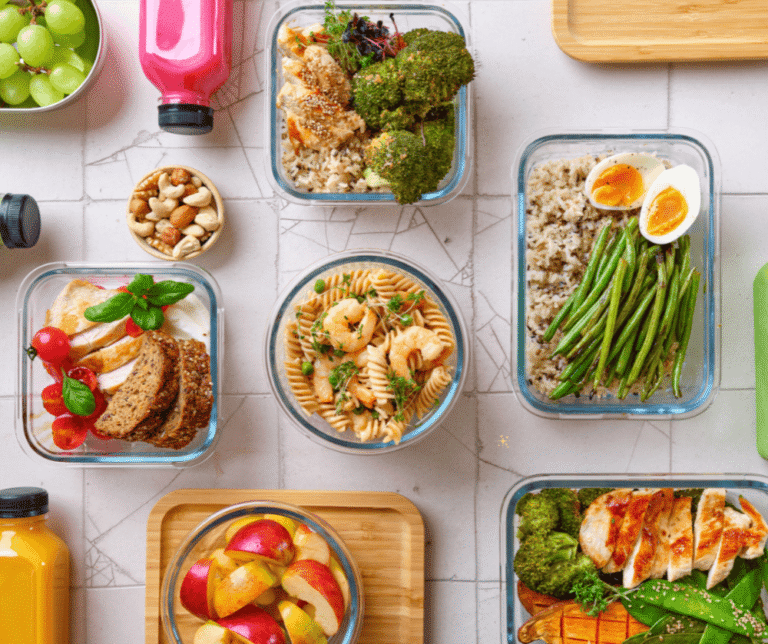
Food is more than just a source of energy; it is a universal language that connects people, cultures, and traditions. No matter where you go in the world, food tells a story about history, lifestyle, and community. From street vendors serving quick bites to fine dining restaurants offering artistic plates, food has the power to bring joy and create lasting memories.

One of the most beautiful aspects of food is its diversity. Every culture has its unique flavors, spices, and cooking methods. Italian cuisine celebrates simplicity with pasta and olive oil, while Indian dishes burst with rich spices and aromas. Japanese meals highlight balance and freshness, while Middle Eastern food emphasizes hospitality and sharing. Exploring different cuisines is like traveling the world without leaving the table.

In today’s fast-paced lifestyle, food trends are also evolving. People are becoming more health-conscious, leading to a rise in organic produce, plant-based diets, and mindful eating. At the same time, fusion cuisine is gaining popularity, where chefs blend flavors from different cultures to create something new and exciting.

Ultimately, food is about connection. It is what brings families together at the dinner table, unites friends over coffee, and even breaks barriers between strangers. Whether it’s a homemade meal or a dish from a faraway land, food is a reminder that happiness can often be found in the simplest bites.

#FoodLovers #FoodieLife #FoodPassion #FoodVibes #FoodCulture #FoodBlogger #FoodJourney #LoveForFood
#VibesChanger #BuzzCreatorsDigitalMedia
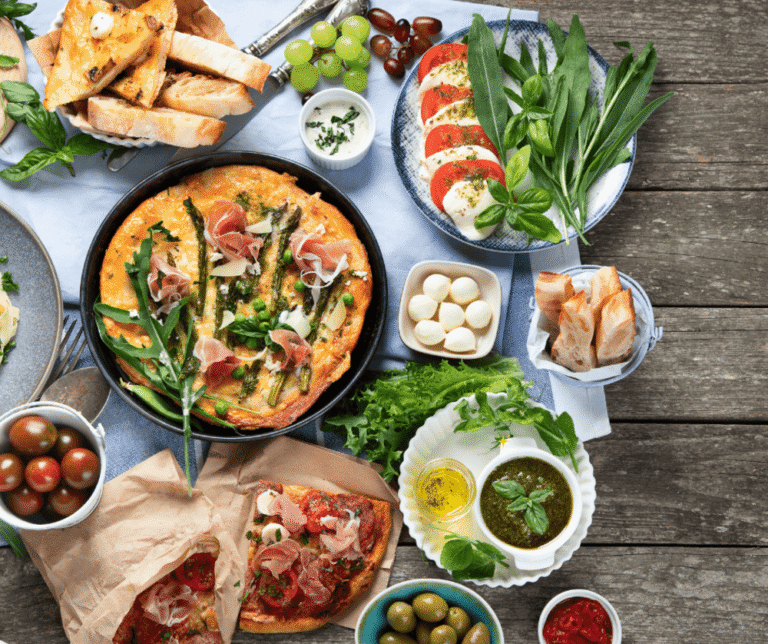
In today’s fast-paced world, meals are often eaten on the go, in front of a screen, or as an afterthought between tasks. But a quiet revolution is underway—a movement that’s bringing people back to the table, both literally and emotionally. It’s called mindful eating, and it’s changing the way we view food.


🌿 What Is Mindful Eating?

Mindful eating is the practice of paying full attention to the experience of eating. It’s about slowing down, savoring each bite, and being present during meals. Rather than rushing through a meal or eating out of boredom, mindful eaters tune into their hunger cues, emotions, and the flavors on their plate.

This approach encourages people to eat with intention and awareness, focusing on quality over quantity. It’s not a diet—it’s a mindset.


🧘 Why Is Mindful Eating Trending?

Several factors have fueled the rise of mindful eating:

  1. Wellness Culture: People are becoming more conscious of how food impacts not just their body, but also their mood and mental health.

  2. Sustainable Living: Being mindful about what we eat often translates to more sustainable choices—like supporting local produce and reducing food waste.

  3. Mental Health Awareness: With growing attention on anxiety and stress, slowing down to eat mindfully is seen as a form of everyday meditation.


🍽️ How to Practice Mindful Eating

You don’t need special tools or a complicated routine. Here are simple ways to get started:

  • Eliminate distractions: Turn off the TV or phone during meals.

  • Eat slowly: Chew thoroughly and pause between bites.

  • Listen to your body: Eat when you’re hungry, stop when you’re full.

  • Engage your senses: Notice the colors, textures, and flavors of your food.

  • Express gratitude: A simple “thank you” for your meal can shift your mindset.


🥕 Food as a Form of Self-Care

When eating becomes intentional, it transforms into an act of self-respect. Choosing foods that nourish, energize, and comfort is no longer about restriction or guilt—it’s about honoring your body’s needs.

More people are turning to home cooking, meal prepping, and even growing their own herbs as a way to reconnect with food. It’s not just about eating healthy—it’s about feeling good.


🌍 A Global Shift in Food Culture

Restaurants and food brands are catching on too. Many now highlight the origin of ingredients, nutritional benefits, and ethical sourcing on their menus. Food isn’t just about taste anymore—it’s about the story behind it.

In places like Japan and Scandinavia, the concept of mindful eating is deeply rooted in tradition. The global trend now reflects a return to these cultural roots.


📝 Final Thoughts

In a world that often glorifies hustle, mindful eating offers a moment of pause. It encourages us to slow down, appreciate our meals, and listen to what our bodies are telling us.

Food is no longer just fuel—it’s a daily opportunity to connect, reflect, and care for ourselves from the inside out.

#MindfulEating
#MindfulnessInFood
#ConsciousEating
#EatMindfully
#MindfulNutrition
#VibesChanger
#BuzzCreatorsDigitalMedia
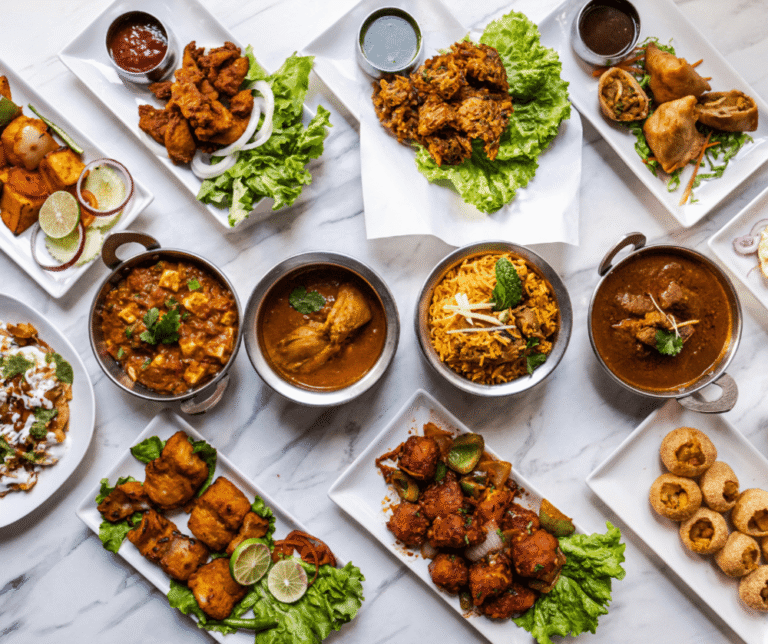
Food is more than sustenance—it’s a story, a culture, a memory, and a connection. Across every continent and within every community, food carries the legacy of tradition and the creativity of innovation. Whether you’re sitting at a fine dining table or enjoying street food under neon lights, each bite tells its own tale.

🌍 Food as a Cultural Expression

Every culture expresses itself uniquely through food. From the rich spices of Indian curries to the minimalist precision of Japanese sushi, culinary practices are deeply woven into the identities of communities. Recipes passed down through generations often reflect history, geography, and social values.

For example, Italian cuisine emphasizes fresh, simple ingredients—olive oil, tomatoes, garlic—each dish a celebration of the land and seasons. In contrast, Moroccan food uses an intricate blend of spices to create warm, aromatic stews that reflect its role in ancient trade routes.

🍲 The Comfort of Familiar Flavors

For many, food is emotional. The aroma of a favorite dish can transport us back to childhood or remind us of a loved one. Comfort food—whether it’s a bowl of chicken soup, a plate of fried rice, or warm bread fresh from the oven—offers a sense of safety and warmth during tough times.

In a fast-paced world, cooking and sharing meals can become small acts of self-care and connection. Even a simple family dinner can be a ritual that reinforces bonds and shared stories.

🥗 The Rise of Conscious Eating

Today’s food choices go beyond taste. There’s a growing awareness about how our eating habits impact health, the environment, and global economies. Movements like farm-to-table, plant-based eating, and zero-waste kitchens reflect a shift in how people relate to food—not just as consumers, but as stewards.

People are also asking more questions: Where did this come from? Was it ethically sourced? How does it affect my body? These questions are shaping a new food culture focused on mindfulness and responsibility.

🍱 Fusion and Innovation: Where Old Meets New

As the world becomes more connected, food has become a playground of fusion and creativity. Korean tacos, sushi burritos, and vegan cheeseburgers are all signs of culinary evolution. Chefs and home cooks alike are experimenting—blending ingredients, techniques, and traditions to create something entirely new.

Technology is also playing a role. From lab-grown meat to AI-assisted recipes, the future of food promises innovation that balances taste, nutrition, and sustainability.

🧑‍🍳 Final Thoughts

Food brings people together in ways few other things can. It breaks down barriers, builds bridges, and sparks conversations. It can be a celebration or a comfort, a necessity or a luxury—but no matter what, it always connects us to something bigger.

Next time you sit down for a meal, take a moment to appreciate the journey that food has taken to reach your plate—and maybe even share that moment with someone else.

#FoodLovers
#FoodieLife
#InLoveWithFood
#FoodForThought
#FoodCulture
#VibesChanger
#BuzzCreatorsDigitalMedia
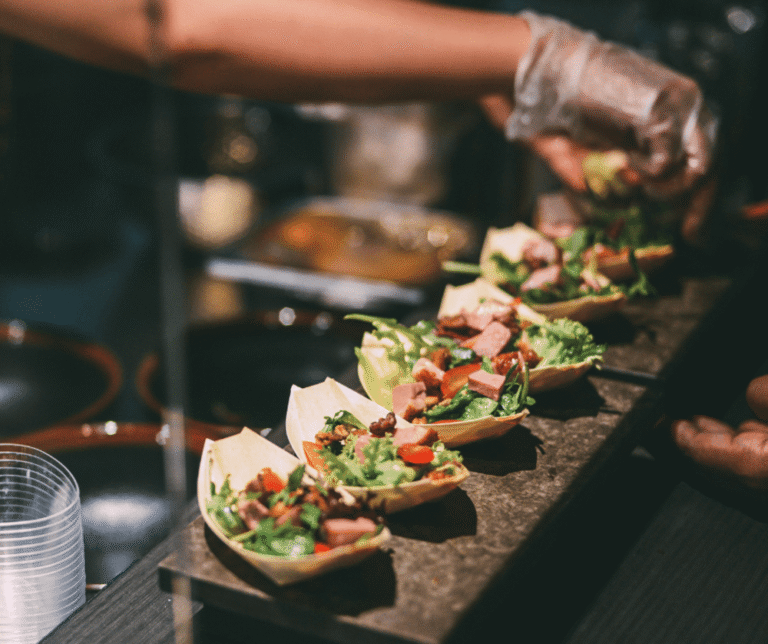
Food is far more than something we consume to survive. It’s a global language that transcends borders, cultures, and backgrounds. Whether it’s a home-cooked dish passed down through generations or street food crafted in the hustle of a busy city, food tells a story.

🌍 A Cultural Bridge

Every culture has its unique flavors, ingredients, and traditions tied to food. Think of the spices of India, the pasta of Italy, the sushi of Japan, or the stews of West Africa. Each dish carries the history, values, and creativity of the people who created it. Sharing food is one of the simplest yet most powerful ways to connect with others, offering a glimpse into their world.

🍅 The Rise of Conscious Eating

In today’s world, many people are becoming more mindful of what they eat. From plant-based diets to farm-to-table movements, there’s a growing awareness about health, sustainability, and ethics. Food is no longer just about taste — it’s about making choices that align with one’s values.

🍔 Food and Memory

Have you ever tasted something that instantly brought back a memory? Food has the power to do that. A bowl of your grandmother’s soup, a childhood snack, or the meal you had on a special occasion — these dishes become symbols of moments and emotions. In many ways, food acts as a time machine.

🥗 The Balance Between Tradition and Innovation

Modern chefs and food enthusiasts are constantly blending tradition with innovation. They take classic dishes and reinvent them with new techniques or ingredients. This keeps culinary traditions alive while making them exciting for a new generation.

🍽️ Conclusion: More Than Fuel

At its core, food is nourishment. But beyond that, it’s comfort, identity, celebration, and connection. It reflects who we are and how we live. So next time you sit down for a meal, take a moment to appreciate not just the flavors on your plate, but the stories behind them.

#FoodCulture
#FoodLovers
#GlobalCuisine
#FoodIsLife
#FoodieLife
#VibesChanger
#BuzzCreatorsDigitalMedia

Food is more than just a necessity—it’s a powerful part of culture, memory, and connection. Across the globe, food tells stories of tradition, community, and creativity. Whether it’s a comforting bowl of soup on a rainy day or a spicy street snack in a bustling market, food has the ability to bring people together and evoke powerful emotions.

The Cultural Connection

Every culture has its own culinary identity. From the rich curries of India to the delicate sushi rolls of Japan, each dish reflects history, geography, and lifestyle. Food carries tradition forward. Recipes are passed down through generations, often with personal tweaks that give them unique character. What we eat is deeply tied to who we are and where we come from.

Health and Nourishment

While taste is often the star, nutrition plays a key role in the food we choose. Balanced meals help us maintain energy, focus, and overall well-being. Fresh vegetables, whole grains, lean proteins, and healthy fats provide our bodies with the fuel they need. In recent years, there has been a growing interest in plant-based diets, organic farming, and mindful eating—shifts that reflect our increasing awareness of health and sustainability.

The Social Side of Eating

Food brings people together like few other things can. Sharing a meal with family, cooking with friends, or even discovering a new café with someone special creates lasting memories. In many cultures, hospitality is expressed through food. Offering a guest something to eat is a universal sign of warmth and care.

Innovation in the Kitchen

Modern cooking is not just about tradition—it’s also about experimentation. With new ingredients, global influences, and technology, chefs and home cooks alike are pushing boundaries. From vegan burgers that taste like meat to 3D-printed desserts, the culinary world is constantly evolving.

Final Thoughts

Food is an everyday miracle. It nourishes us, connects us, and gives us endless opportunities to explore and express ourselves. Whether you’re a gourmet chef or someone who enjoys a simple home-cooked meal, there’s always something new to discover in the world of food. So next time you sit down to eat, take a moment to savor not just the flavors—but the experience.

#JoyOfFood
#FoodIsLife
#FoodLovers
#MoreThanAMeal
#VibesChanger
#BuzzCreatorsDigitalMedia