Category

Lifestyle

Category

In our fast-paced, technology-driven world, it’s easy to overlook the importance of physical activity. We often find ourselves glued to screens, buried in work, or simply too exhausted to consider a workout. However, exercise is one of the most powerful tools we have to improve not just our physical health, but our mental and emotional well-being as well.

Why Exercise Matters

Exercise is more than just a way to lose weight or build muscle. Regular physical activity strengthens the heart, improves circulation, and boosts the immune system. It helps control blood sugar levels, supports healthy joints, and reduces the risk of chronic diseases such as diabetes, hypertension, and certain types of cancer.

Beyond the physical benefits, exercise is a powerful mood enhancer. It triggers the release of endorphins—natural chemicals in the brain that promote feelings of happiness and reduce stress. Many people find that a good workout helps them clear their mind and sleep better at night.

Types of Exercise

The good news is that exercise doesn’t have to mean hours in the gym. There are many types of physicalactivity, and the best one is the one you’ll enjoy and stick with. Here are a few options:

  • Cardio (Aerobic Exercise): Activities like walking, jogging, swimming, or cycling get your heart rate up and improve endurance.

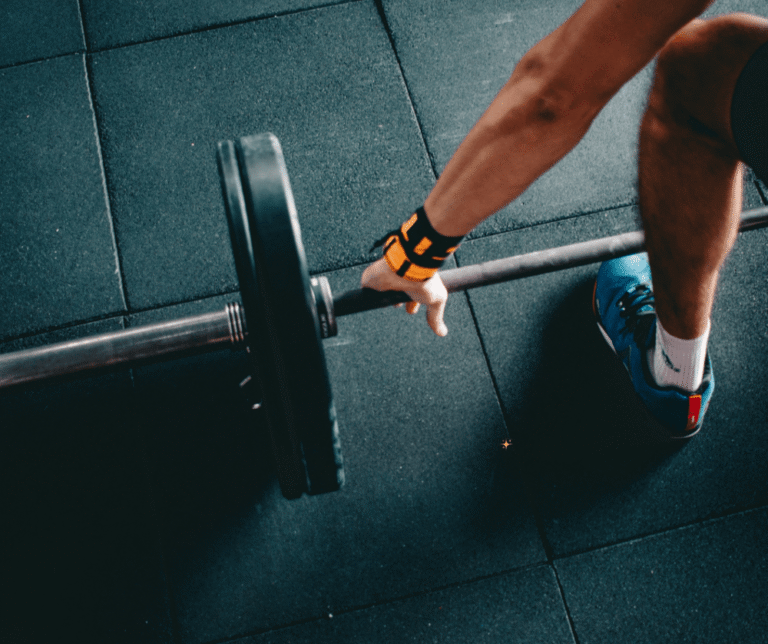
  • Strength Training: Lifting weights or using resistance bands helps build and maintain muscle mass.

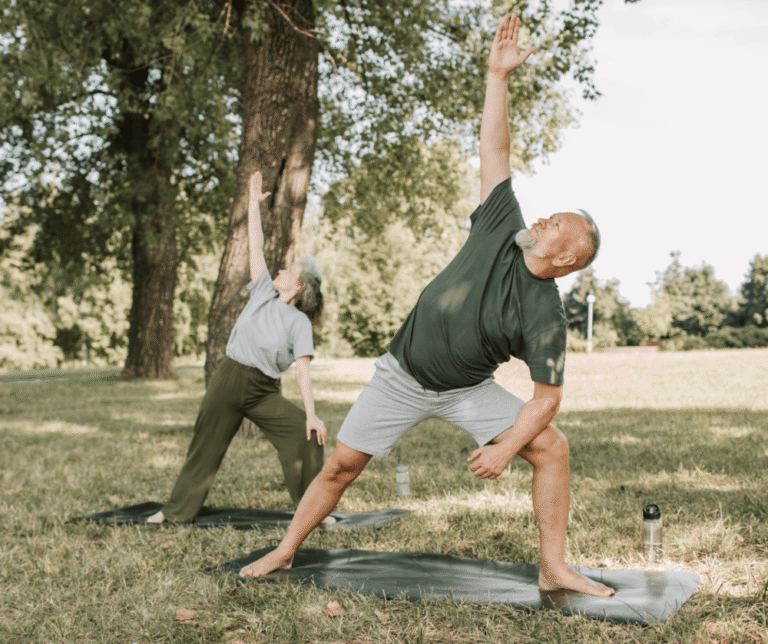
  • Flexibility and Balance: Yoga, Pilates, and stretching exercises enhance mobility and reduce the risk of falls.

  • Recreational Activities: Dancing, hiking, or even playing a sport can be fun and effective ways to stay active.

Getting Started

If you’re new to exercise or returning after a long break, it’s important to start slowly. Set realistic goals and focus on building consistency rather than intensity. Even short sessions, like a 15-minute walk, can make a difference when done regularly.

Remember to listen to your body. It’s okay to take rest days, and it’s crucial to stay hydrated and nourish yourself with a balanced diet to support your physical activity.

Staying Motivated

One of the biggest challenges with exercise is staying motivated. Here are a few tips to help you stay on track:

  • Find a workout buddy: Exercising with a friend can make the experience more enjoyable and keep you accountable.

  • Mix it up: Trying new activities can keep boredom at bay.

  • Track your progress: Keeping a journal or using a fitness app can help you see how far you’ve come.

  • Celebrate milestones: Reward yourself for hitting goals—just not always with food!

Final Thoughts

Exercise is a lifelong journey, not a one-time fix. It’s about creating habits that support your overall health and well-being. Whether you’re looking to reduce stress, boost your energy, or simply feel better in your body, regular physical activity is one of the best investments you can make.

So, take that first step—literally. Your body and mind will thank you.

#HealthyLiving

#FitnessMotivation

#ExerciseDaily

#GetMoving

#LiveHealthy

#ActiveLifestyle

#VibesChanger

#BuzzCreatorsDigitalMedia
In 2025, exercise has evolved far beyond traditional workouts. It’s no longer just about lifting weights or running on a treadmill—it’s about embracing smarter, more personalized, and more enjoyable fitness experiences. With advancements in technology, growing awareness about mental health, and the global shift toward healthier lifestyles, exercise in 2025 is more holistic than ever.

The Rise of Smart Workouts

Technology is now at the heart of fitness. Wearable devices track heart rate, calories, sleep patterns, and even stress levels. AI-powered fitness apps create personalized workout plans based on individual goals, body type, and progress. Virtual reality (VR) and augmented reality (AR) have made exercising more engaging, turning workouts into immersive experiences like climbing virtual mountains or joining global dance classes from home.

Mental Health and Mindful Movement

In 2025, exercise isn’t just about physical appearance—it’s also about mental well-being. Practices like yoga, meditation, and Pilates are being combined with traditional fitness routines to reduce stress and boost mental clarity. Many people now view fitness as a way to maintain emotional balance, not just physical strength.

Sustainable Fitness Trends

Sustainability has also entered the fitness industry. Eco-friendly gyms powered by renewable energy, outdoor group exercises, and recycled workout gear are gaining popularity. The focus is on improving personal health while protecting the planet.

Community and Social Fitness

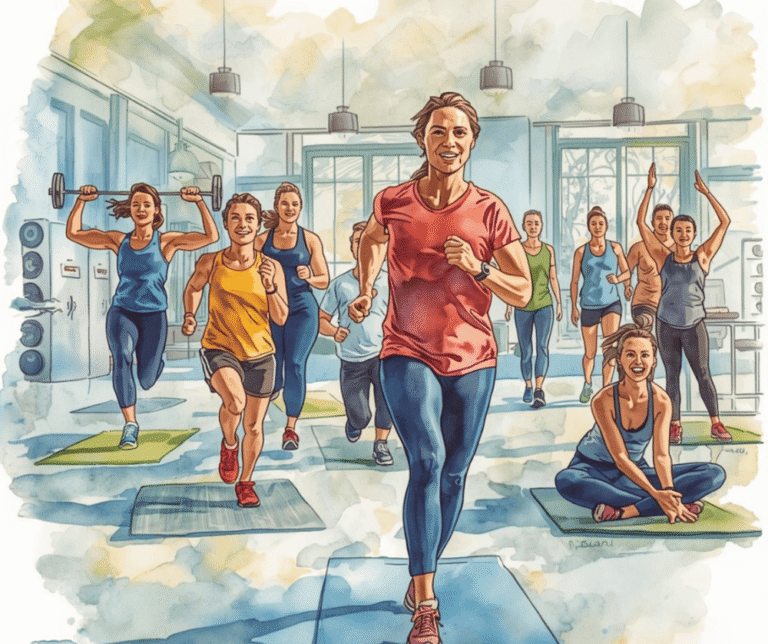
Group fitness is thriving in 2025. Socially connected workouts—both online and offline—encourage people to stay motivated. Fitness challenges, live-streamed classes, and wellness communities help individuals stay accountable while feeling supported.

Final Thoughts

Exercise in 2025 reflects a future where fitness is personalized, inclusive, and sustainable. It’s not just about shaping the body—it’s about enhancing overall health, boosting happiness, and building stronger connections. The future of fitness is here, and it’s about balance, innovation, and well-being.

#Exercise2025
#FutureOfFitness
#FitnessJourney
#WorkoutMotivation
#HealthyLifestyle
#VibesChanger
#BuzzCreatorsDigitalMedia
Exercise is often referred to as the “magic pill” for maintaining overall health and well-being, and for good reason. Whether you’re a seasoned athlete or someone just starting to move more, the benefits of physical activity are undeniable. In this post, we’ll explore why exercise is essential, how it affects the body and mind, and offer tips for making it a consistent part of your daily life.

The Physical Benefits of Exercise

1. Improves Cardiovascular Health

Regular physical activity strengthens the heart, improving blood circulation and lowering the risk of heart disease. Cardiovascular exercise, such as walking, running, swimming, or cycling, helps lower blood pressure and cholesterol levels, which are major risk factors for heart disease.

2. Builds and Maintains Muscle Mass

Exercise, especially strength training, helps to increase muscle mass and bone density. This is vital as we age since muscle mass naturally decreases over time. Strong muscles and bones reduce the risk of injuries and improve balance and posture.

3. Boosts Metabolism and Weight Management

Physicalactivity is one of the best ways to regulate your metabolism. Regular exercise helps the body burn calories more efficiently, making it easier to maintain a healthy weight. It also helps manage body fat percentage, improving body composition in the process.

4. Improves Flexibility and Joint Health

Exercises such as yoga and stretching promote flexibility and mobility. Maintaining flexibility as we age is crucial for maintaining the range of motion in the joints and preventing stiffness and injury.

Mental and Emotional Benefits

1. Boosts Mood and Reduces Stress

Exercise has a powerful effect on mental health. Physical activity triggers the release of endorphins, which are often referred to as “feel-good” hormones. These endorphins promote a sense of happiness and well-being, reducing feelings of stress, anxiety, and depression.

2. Enhances Cognitive Function

Exercise improves blood flow to the brain, which can enhance cognitive function, memory, and concentration. Studies have shown that regular physical activity may reduce the risk of developing cognitive decline and conditions like Alzheimer’s disease.

3. Improves Sleep Quality

Physical activity also contributes to better sleep. It helps regulate sleep patterns, making it easier to fall asleep and stay asleep. Just be mindful not to exercise too close to bedtime, as it could have the opposite effect by increasing energy levels.

How to Make Exercise Part of Your Routine

If you’re new to exercise, it can feel daunting to figure out where to start. The good news is that you don’t have to take on a grueling workout plan to experience the benefits. Here are a few tips to help you integrate more movement into your daily life:

  1. Start Small: If you’re not used to exercising, start with something simple like a 10-minute walk. Gradually increase the duration and intensity as you feel more comfortable.

  2. Find Something You Enjoy: Exercise doesn’t have to be a chore. Find an activity you love, whether it’s dancing, hiking, or playing sports. You’re more likely to stick with something that brings you joy.

  3. Make It Social: Exercising with a friend or family member can make it more fun and provide added motivation. Join a fitness class, participate in group activities, or start a walking group to keep yourself accountable.

  4. Set Realistic Goals: Set achievable goals, such as walking 3 days a week or completing a 30-minute workout every other day. Small milestones can help keep you motivated and provide a sense of accomplishment.

  5. Consistency is Key: The most important part of building an exercise routine is consistency. It’s better to commit to a moderate level of activity every day than to try and fit in one long workout each week.

Overcoming Barriers to Exercise

While the benefits of exercise are clear, many people struggle to maintain a consistent routine. Here are some common barriers and ways to overcome them:

  • Time: Busy schedules can make it challenging to find time to exercise. However, even short bursts of activity, like taking the stairs or going for a brisk 10-minute walk, can be beneficial.

  • Motivation: It’s easy to lose motivation, especially in the beginning. Try setting small, attainable goals and track your progress. This will help keep you motivated over time.

  • Physical Limitations: If you have an injury or chronic condition, it’s essential to consult a healthcare provider before starting any exercise program. They can help you choose activities that are safe and suitable for your condition.

Final Thoughts

Exercise is more than just a way to stay in shape — it’s a powerful tool for improving both physical and mental health. From enhancing cardiovascular function and building strength to reducing stress and boosting mood, the benefits are vast and far-reaching. By making movement a part of your daily routine, you’re not just investing in a healthier body, but a healthier mind as well. So, get moving — your future self will thank you.

#ExerciseMatters

#MoveYourBody

#FitnessJourney

#HealthAndWellness

#ActiveLifestyle

#StayActive

#VibesChanger

#BuzzCreatorsDigitalMedia
In today’s fast-paced world, it’s easy to overlook one of the simplest yet most powerful tools for improving our health: exercise. Whether you’re chasing fitness goals, managing stress, or simply trying to stay active, regular physicalactivity offers countless benefits that go far beyond just weight loss.

Why Exercise Matters

Exercise is more than just a means to stay in shape. It plays a crucial role in maintaining both physical and mental well-being. When we move our bodies—whether it’s through walking, dancing, swimming, or liftingweights—we’re not just burning calories. We’re also boosting our mood, strengthening our hearts, and enhancing our overall quality of life.

Here are a few key benefits of regular exercise:

1. Improves Physical Health

Engaging in regular physical activity helps lower the risk of chronic diseases such as heart disease, diabetes, and high blood pressure. It also supports healthy bones, improves muscle strength, and enhances flexibility.

2. Boosts Mental Well-being

Exercise has been shown to reduce symptoms of anxiety and depression. It promotes the release of endorphins—our brain’s natural mood elevators—and helps improve sleep quality and cognitive function.

3. Increases Energy Levels

Contrary to what some may think, physical activity can actually make you feel more energized. As your body gets stronger and more efficient, everyday tasks become easier, and fatigue becomes less common.

4. Supports Weight Management

While it’s not the only factor in weight control, exercise is an effective way to burn calories and maintain a healthy metabolism. When paired with balanced nutrition, it can be a powerful tool in achieving or maintaining a healthy weight.

Making Exercise a Habit

The key to long-term success with exercise is consistency. You don’t need to spend hours at the gym every day to see results. Even small changes, like taking the stairs instead of the elevator or going for a short walk during lunch breaks, can add up over time.

Here are some tips to stay motivated:

  • Set realistic goals – Start small and build gradually.

  • Find activities you enjoy – Whether it’s dancing, cycling, or yoga, doing what you love makes it easier to stick with.

  • Schedule workouts – Treat them like important appointments.

  • Mix it up – Variety keeps things interesting and works different muscle groups.

  • Track your progress – Use apps, journals, or simple checklists to stay on track.

Final Thoughts

Exercise isn’t about perfection—it’s about progress. Every step you take, no matter how small, brings you closer to a healthier version of yourself. Whether you’re a beginner or returning after a break, it’s never too late to start moving. So, put on your favorite workout gear, take a deep breath, and make that first move—your body and mind will thank you.

#ExerciseMatters
#MoveYourBody
#FitnessForLife
#HealthyLiving
#GetActive
#VibesChanger
#BuzzCreatorsDigitalMedia
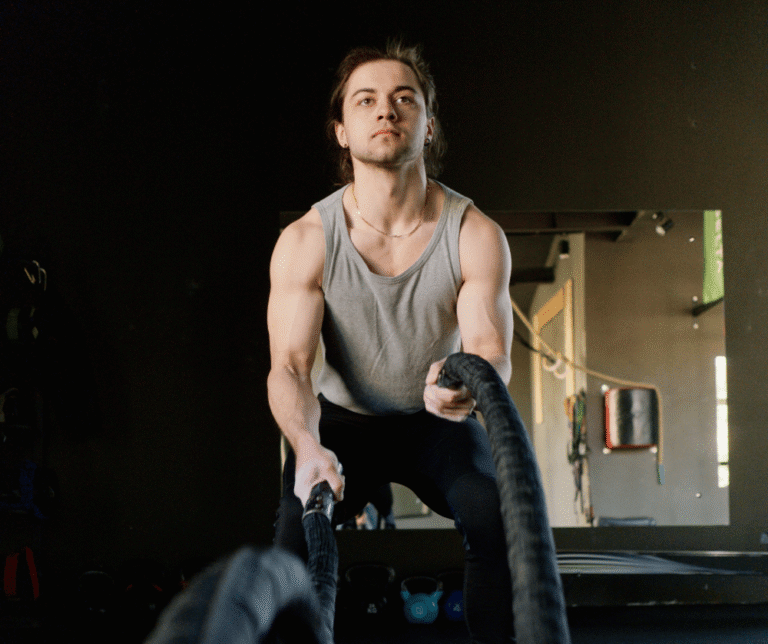
In today’s fast-paced world, many people overlook the importance of regular physical activity. Whether it’s due to busy work schedules, digital distractions, or lack of motivation, exercise often takes a backseat. However, the benefits of staying active go far beyond just physical fitness—it improves mental well-being, boosts energy levels, and supports long-term health.

🌟 Why Is Exercise Important?

  1. Improves Physical Health
    Regular exercise strengthens your heart, muscles, and bones. It helps maintain a healthy weight, lowers the risk of chronic diseases like diabetes and high blood pressure, and improves overall endurance.

  2. Boosts Mental Health
    Physicalactivity stimulates the release of endorphins—chemicals in the brain that reduce stress and improve mood. It can help combat anxiety, depression, and even insomnia.

  3. Enhances Brain Function
    Exercise improves blood flow to the brain, enhancing memory, concentration, and cognitive abilities. It’s particularly effective for children and older adults looking to keep their minds sharp.

  4. Increases Energy and Stamina
    Contrary to popular belief, exercising doesn’t make you more tired—in fact, it boosts your energy levels by improving your cardiovascular system and muscle function.


🛠️ How to Start Exercising (Even If You’re a Beginner)

Starting a workout routine doesn’t require a gym membership or fancy equipment. Here’s how you can ease into it:

  1. Set Realistic Goals
    Begin with short-term, achievable targets. For example, aim for a 15-minute walk daily for the first week and slowly increase the time.

  2. Choose Activities You Enjoy
    You’re more likely to stick with exercise if it’s fun. Dancing, swimming, biking, or even playing a sport can all be great ways to stay active.

  3. Start Slow
    Don’t rush into intense workouts. Start with low-impact activities like walking, stretching, or yoga, and gradually build up strength and stamina.

  4. Create a Routine
    Schedule your workout time just like any other important task. Consistency is key to forming lasting habits.

  5. Listen to Your Body
    Soreness is normal in the beginning, but sharp pain or discomfort is not. Rest when needed, and don’t be too hard on yourself.


✅ Final Thoughts

Exercise is one of the best investments you can make in your overall health. It’s not about perfection—it’s about progress. By incorporating physical activity into your daily routine, you’ll not only feel better but also improve the quality of your life.

So start small, stay consistent, and remember: every step counts.

#Exercise
#Fitness
#Workout
#HealthyLifestyle
#GetFit
#VibesChanger
#BuzzCreatorsDigitalMedia
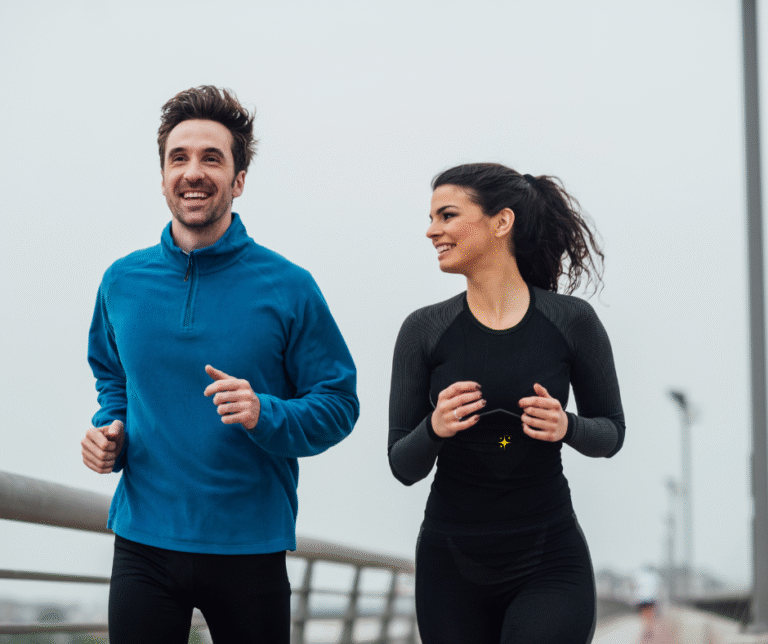
Exercise is often described as the key to a longer, healthier life, and for good reason. With the rise of sedentary lifestyles, more and more people are looking for ways to get active and improve their overall health. However, many still overlook the simple yet profound benefits of regular physical activity. Whether you’re looking to improve your fitness levels, boost mental health, or simply increase energy, exercise plays a vital role.

What Does Exercise Do for the Body?

Exercise isn’t just about getting in shape or losing weight—it’s a holistic approach to enhancing your physical and mental health. Here are some of the key benefits of regular exercise:

  1. Improves Cardiovascular Health
    Regular physical activity strengthens the heart and improves circulation. This reduces the risk of heart disease, lowers blood pressure, and helps maintain healthy cholesterol levels. The stronger your heart, the better it can pump oxygen-rich blood to your muscles and organs, making your body more efficient.

  2. Boosts Mental Health
    Physical activity triggers the release of endorphins, often known as the “feel-good” hormones. These endorphins help reduce stress, anxiety, and symptoms of depression. Exercise can also improve cognitive function, reduce mental fatigue, and promote better sleep—all essential elements for a well-balanced mind.

  3. Strengthens Muscles and Bones
    Whether it’s lifting weights, yoga, or resistance training, exercise helps build muscle strength and bone density. Over time, these activities prevent osteoporosis and age-related muscle loss. Strong muscles and bones allow you to maintain good posture, avoid injuries, and stay active for longer periods.

  4. Enhances Flexibility and Mobility
    Stretching and mobility exercises improve joint flexibility, which reduces the risk of injury and helps maintain smooth movement as you age. It’s especially important to keep your body flexible as you grow older, as it helps with daily activities like bending, reaching, and even walking.

  5. Promotes Weight Management
    Exercise, combined with a balanced diet, is one of the most effective ways to manage weight. Cardio exercises such as walking, running, cycling, and swimming burn calories, helping to create a calorie deficit and facilitate fat loss. Strength training, on the other hand, builds lean muscle mass, which helps your body burn more calories at rest.

Different Types of Exercise

Not all exercises are the same, and incorporating a mix of different types into your routine can lead to optimal health. Here are a few main categories:

  • Cardiovascular Exercise: Activities such as jogging, swimming, cycling, or brisk walking increase your heart rate and improve cardiovascular health.

  • Strength Training: Using weights, resistance bands, or bodyweight exercises (like push-ups and squats) helps build muscle and improve bone density.

  • Flexibility and Mobility: Stretching, yoga, and Pilates improve range of motion and reduce stiffness in the muscles and joints.

  • Balance and Coordination: Tai chi, Pilates, and balance exercises are excellent for improving stability and preventing falls, especially in older adults.

How Much Exercise Do You Need?

The amount of exercise you need depends on your individual goals and lifestyle, but general guidelines suggest:

  • For General Health: Aim for at least 150 minutes of moderate-intensity aerobic exercise per week, plus muscle-strengthening activities on two or more days a week.

  • For Weight Loss or Improved Fitness: You may need more, such as 300 minutes of moderate-intensity exercise weekly, or a combination of moderate and vigorous-intensity workouts.

Getting Started: Tips for Beginners

  1. Start Slow and Set Realistic Goals: If you’re new to exercise, it’s essential to start with small, achievable goals. Begin with a few minutes of walking each day and gradually increase the duration and intensity as you build stamina.

  2. Find Activities You Enjoy: The best way to stay consistent is to engage in physicalactivities that you find fun. Whether it’s dancing, hiking, or team sports, there’s something out there for everyone.

  3. Consistency is Key: Progress doesn’t happen overnight. Consistent exercise over weeks, months, and years is what brings lasting results.

  4. Listen to Your Body: Don’t push yourself too hard, especially in the beginning. Pay attention to how your body feels and give yourself enough time to recover.

  5. Make It a Habit: Set a regular time for your workouts. Morning, afternoon, or evening—choose what works best for your schedule and make exercise part of your daily routine.

Conclusion

Exercise is more than just a way to get in shape; it’s a pathway to better health and happiness. By making physical activity a priority in your life, you’re investing in your future well-being. Whether you’re looking to improve cardiovascular health, enhance mental clarity, or simply feel more energetic, the benefits of exercise are undeniable. Remember, it’s never too late to start, and every step you take—no matter how small—is a step toward a healthier you.

#ExerciseForHealth
#GetActive
#FitnessJourney
#HealthyLifestyle
#MindBodyWellness
#VibesChanger
#BuzzCreatorsDigitalMedia
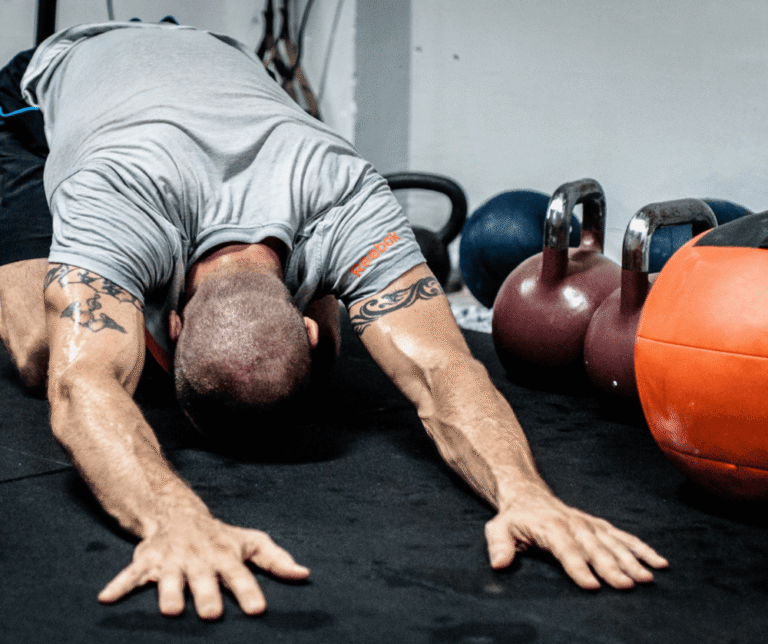
The start of a new year often brings a renewed focus on health, but let’s be honest, those ambitious resolutions can feel a little stale. This isn’t just another year of “get in shape.” This is Exercise 2025—a dynamic landscape of innovative trends, technology, and a profound shift in what it means to be truly healthy. The focus is no longer just on how you look, but on how you feel, function, and live.

The Hyper-Personalized Experience

Forget cookie-cutter workout plans. The biggest trend shaping fitness in 2025 is hyper-personalization, driven by the data we’re all generating. Wearable technology has moved beyond step counting to provide a wealth of real-time insights on sleep quality, stress levels, heart rate variability, and even hormonal health. This data is being used to create truly customized experiences, with AI and data-driven training technology helping trainers and apps design programs that adapt to your body’s needs on a daily basis.

Your Takeaway: Embrace your data. Use your smartwatch or fitness tracker not just to track workouts, but to understand your body’s recovery patterns. This insight is your secret weapon for preventing overtraining and making every session count.

Fitness for Longevity and Function

The goal of fitness is shifting from short-term aesthetic gains to long-term health and well-being. This has led to a surge in functional fitness and programs designed for different life stages. Functional fitness, which focuses on movements that help you in your daily life (lifting, bending, carrying), is becoming a cornerstone of training. There’s also a growing recognition that fitness isn’t just for the young. Programs tailored for older adults are in high demand, focusing on mobility, injury prevention, and maintaining an active, independent lifestyle for years to come.

Your Takeaway: Integrate functional movements like squats, lunges, and carries into your routine. Consider exploring classes or routines that prioritize mobility and a wide range of motion.

The Mind-Body Connection is Non-Negotiable

In 2025, fitness is a holistic endeavor. The link between physical activity and mental well-being is no longer a footnote—it’s a primary motivator. Workouts are being designed to intentionally reduce stress, with many people gravitating toward practices that combine movement with mindfulness, such as yoga, tai chi, and guided meditations during a run. The goal is to finish a workout not just physically tired, but mentally refreshed.

Your Takeaway: Find a way to connect with your body and breath during exercise. Whether it’s a dedicated yoga session or simply a few minutes of conscious breathing before a workout, these practices can amplify the benefits of your physicalactivity.

The Social Sweat: Community and Competition

Even as technology makes fitness more personal, it’s also making it more social. The rise of hybrid fitness models means you can attend a live-streamed class with a friend on the other side of the world, or join a virtual challenge with thousands of participants. Fitness competitions like HYROX, which combine endurance and functional strength, are booming in popularity, offering a sense of community and a tangible goal to work towards.

Your Takeaway: Find your community! Join a running club, participate in a fitness challenge on an app, or sign up for a local event. A little friendly competition or a supportive group can be a powerful driver of consistency and motivation.

Conclusion: Your Best Year Yet

Exercise 2025 is about more than just logging miles or lifting weights. It’s a movement towards a smarter, more connected, and more sustainable approach to health. By embracing personalized data, focusing on long-term function, prioritizing mental well-being, and finding your fitness community, you can make this year your most impactful and rewarding health journey yet.

#Fitness2025
#FitnessRevolution
#NewYearNewMe
#FitnessJourney
#HealthAndWellness
#VibesChanger
#BuzzCreatorsDigitalMedia
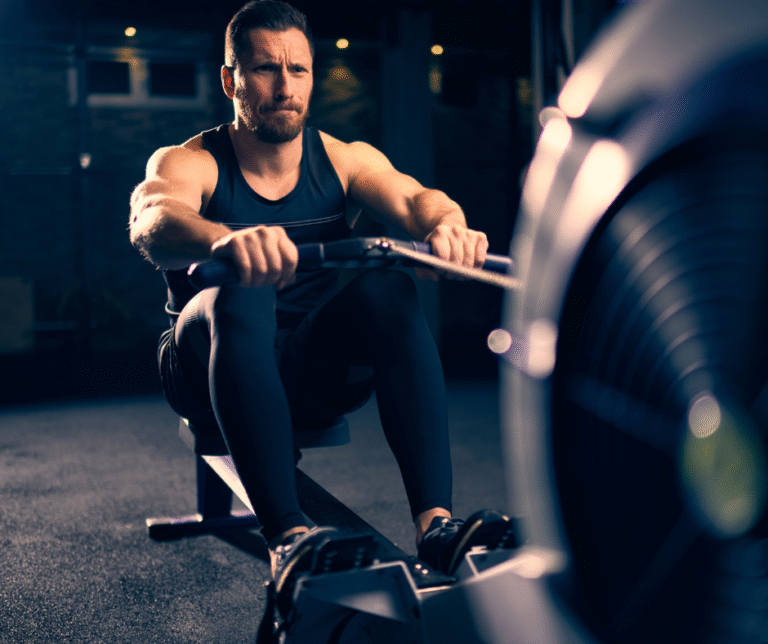
Welcome to Exercise in 2025—where fitness is no longer just about reps and routines, but a full-spectrum experience blending technology, wellness, and personalization. 

The world of exercise is evolving faster than ever. From wearable tech that gives real-time feedback to workouts built around your menstrual cycle or even your mood—fitness in 2025 is smarter, more inclusive, and incredibly adaptable. 

Here’s a look at the biggest trends transforming how we move, train, and recover this year. 


  1. 🧠 Smarter Workouts with AI & Wearables

Artificial intelligence is no longer just in your smartphone—it’s in your shoes, your leggings, and even your personal trainer. AI-powered apps and wearables now offer: 

  • Personalized training plans based on biometrics 
  • Real-time feedback on posture, breathing, and form 
  • Adaptive routines that change with your performance 

Smart sportswear, embedded with textile sensors, is also making waves—helping you track symmetry, exertion, and fatigue more accurately than ever before. 


  1. 🌐 Virtual, Augmented, and Hybrid Fitness

Can’t make it to the gym? No problem. The rise of VR and AR fitness platforms means you can now: 

  • Attend yoga in Bali (virtually) 
  • Box with an AI opponent 
  • Join global HIIT classes from your living room 

Hybrid fitness—a mix of in-person and online classes—is also redefining accessibility, flexibility, and fun. 


  1. 🚶 Walking, Reimagined

Forget boring strolls. Walking is having a glow-up in 2025: 

  • The 6-6-6 Walking Challenge (60 minutes, with warm-up/cooldown blocks) is trending for simplicity and results. 
  • Japanese interval walking, alternating 3-minute fast and slow intervals, mimics the effects of HIIT—great for cardiovascular health with less stress on joints. 
  • Rucking (walking with weight) is gaining traction, especially among women, for its strength-building, low-impact benefits. 


  1. 💪 Strength & Longevity Over Aesthetics

The emphasis in 2025 is shifting from how you look to how you function. Functional strength training is key, especially for: 

  • Aging populations seeking mobility and independence 
  • Women focusing on bone health and hormonal balance 
  • Office workers combating sedentary lifestyles 

Fitness is now about sustainability—not burning out or breaking down. 


  1. 🌀 Cycle-Synced Workouts for Women

Thanks to better understanding of hormonal health, many women are now syncing their workouts to their menstrual cycles. This involves: 

  • Lower-intensity exercise during menstruation 
  • Peak training during ovulation 
  • Emphasis on recovery during the luteal phase 

Result? Better energy, fewer injuries, and improved performance. 


  1. 🧘 Holistic Fitness: Mind Meets Muscle

Mental health and physical health are finally being treated as a unit. In 2025, fitness includes: 

  • Meditation before or after workouts 
  • Breathwork for stress and recovery 
  • Sleep and nutrition tracking as part of fitness programs 

This holistic approach ensures your workouts support your whole well-being—not just your body. 


  1. 🎉 Group Experiences & Fitness Festivals

Social fitness is booming. From pop-up dance cardio parties to full-blown fitness festivals with DJs, healthy food, and sunrise yoga, people are: 

  • Prioritizing community over competition 
  • Choosing fun over perfection 
  • Making fitness a lifestyle event, not a chore 


🌟 Final Thoughts 

In 2025, exercise is no longer one-size-fits-all. It’s personalized, data-driven, low-impact when needed, high-tech when desired, and always centered around sustainability and joy. 

Whether you’re strapping on a weighted vest for a morning ruck, syncing your workout to your hormone cycle, or escaping into a virtual forest for your next yoga session—the future of fitness is here, and it’s more inclusive, intelligent, and inspiring than ever. 

#Fitness2025
#FutureOfFitness
#NextGenFitness
#SmartWorkout
#VibesChanger
#BuzzCreatorsDigitalMedia



In recent times, the mentalhealth landscape among young individuals has undergone a noticeable shift. The prevalence of anxiety, depression, and other mental health disorders has surged, casting a shadow over the lives of many youngsters. The complex interplay of societal, technological, and personal factors has contributed to this alarming trend, demanding a closer examination of the root causes.


The Influence of Social Media and Digital Culture

One significant contributing factor to the rise in mental health issues among the youth is the pervasive influence of social media. Platforms designed to connect people globally often create a paradoxical sense of isolation. Constant exposure to curated, filtered images and idealized lifestyles can induce feelings of inadequacy, fostering a sense of social comparison and low self-esteem. The pressure to maintain an online persona that conforms to societal standards leads to anxiety and identity conflicts.


Academic Pressure and Performance Expectations

The competitive academic environment prevalent in many societies amplifies stress and anxiety among young individuals. Expectations to excel academically, coupled with the fear of failure, can weigh heavily on mental well-being. The pressure to secure a prosperous future often leads to an overwhelming sense of responsibility and fear of disappointing oneself and others.


Economic Uncertainty and Future Concerns

The volatile economic landscape, marked by uncertain job prospects and financial instability, adds to the mental health challenges faced by today’s youth. The apprehension about securing stable employment and the burden of student loans contribute to stress and anxiety, impacting mental health significantly.


Disconnect from Nature and Physical Activity

An increasingly sedentary lifestyle and reduced exposure to nature have also been linked to mental health issues. Limited physical activity and less time spent outdoors can exacerbate feelings of depression and anxiety. The detachment from natural surroundings and the therapeutic effects of nature further hinder coping mechanisms for stress.

Stigma and Accessibility to Mental Health Resources

Despite growing awareness, the stigma surrounding mental health issues persists. Many young individuals hesitate to seek professional help due to fear of judgment or societal perceptions. Additionally, the accessibility and affordability of mental health services remain a challenge, especially for those from marginalized communities, further exacerbating the problem.


Embracing Change and Promoting Mental Wellness

Understanding the multifaceted nature of these causes is crucial in formulating effective strategies to support the mental health of today’s youth. Initiatives to promote digital well-being, redefine success beyond academic achievements, enhance accessibility to mentalhealthservices, and encourage open conversations about mental health are imperative.

Empowering youngsters with coping mechanisms, fostering resilience, and nurturing a supportive environment that values authenticity and self-care can play a pivotal role in mitigating the rising tide of anxiety, depression, and mental sickness among the youth.

As a society, acknowledging these challenges and collectively working towards destigmatizing mental health issues while fostering a culture of acceptance and support is paramount. It is through these concerted efforts that we can pave the way for a generation that prioritizes mental wellness and embraces the journey towards holistic well-being.

#MentalHealthMatters
#EndTheStigma
#BreakTheSilence
#MentalHealthAwareness
#VibesChanger
#BuzzCreatorsDigitalMedia
In the journey of personal growth and self-improvement, shedding toxic habits is akin to freeing oneself from heavy chains. These habits, often ingrained over time, can subtly undermine our well-being, relationships, and overall happiness. Recognizing and addressing these patterns is a crucial step toward leading a more fulfilling life.

The Mask of Comfort: Procrastination

Procrastination, the art of delaying tasks or decisions, can be a comforting yet toxic habit. It provides temporary relief but often leads to increased stress and a backlog of unattended responsibilities. Overcoming this habit requires a shift in mindset and proactive steps toward time management and task prioritization.

The Silent Killer: Negative Self-Talk

The words we say to ourselves hold immense power. Negative self-talk, the constant criticism or belittlement of oneself, can severely impact mental health and self-esteem. Transforming this habit involves practicing self-compassion, gratitude, and mindful awareness of our internal dialogue.

The Bondage of Perfectionism

Striving for excellence is admirable, but perfectionism can be paralyzing. It fosters fear of failure, impedes progress, and often leads to dissatisfaction even with remarkable achievements. Embracing imperfection and learning from mistakes allows for growth and innovation.


The Vicious Cycle: Overthinking

Overthinking, a habit that keeps the mind endlessly circling around issues or decisions, can cause stress and anxiety. Developing mindfulness techniques, such as meditation or journaling, helps in managing thoughts and fostering a more present-focused mindset.

The Allure of Comparisons

Constantly measuring oneself against others’ achievements or appearances breeds dissatisfaction and undermines self-worth. Cultivating self-acceptance and focusing on personal progress rather than external standards can break the toxic cycle of comparison.

Liberation Through Action

Breakingfree from these toxic habits demands commitment and patience. Small, consistent steps are key. Setting realistic goals, seeking support from friends or professionals, and practicing self-care are vital in this transformative journey.


Embracing Change

Change is never easy, especially when breaking habits deeply ingrained in our routines. It requires resilience and a willingness to confront discomfort. Yet, the rewards of a healthier, more positive lifestyle far outweigh the challenges.

Conclusion

Freeing oneself from toxic habits is a transformative process that leads to enhanced mentalwell-being, improved relationships, and a more fulfilling life. It involves self-reflection, a commitment to change, and the courage to embrace growth. By shedding these chains, one paves the way toward a brighter, more liberated future.

#BreakTheChains

#LiberateYourself

#ToxicHabitFree

#HealthyMindset

#VibesChanger

#BuzzCreatorsDigitalMedia