Category

AI & Digital Marketing

Category

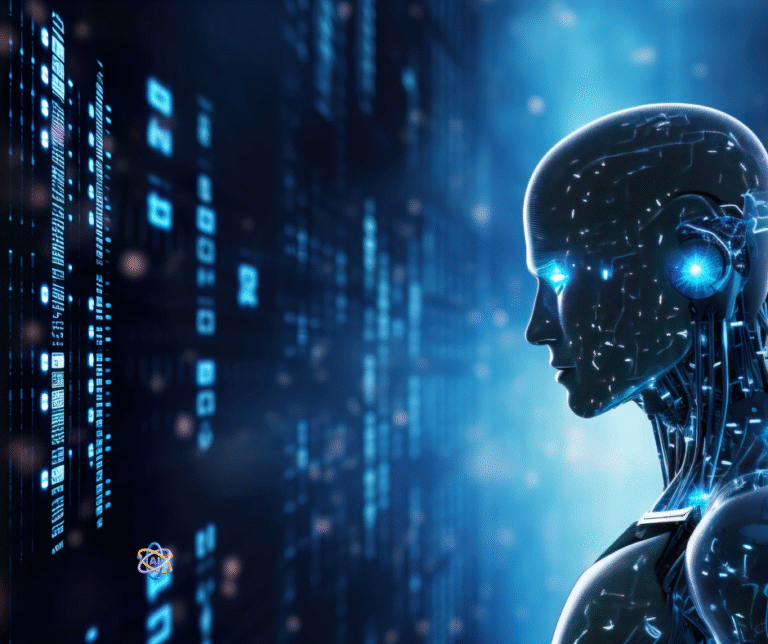
In today’s fast-evolving world, ArtificialIntelligence (AI) is no longer a futuristic idea — it’s a powerful force that’s redefining how we live, work, and connect. From voice assistants to predictive analytics, AI is transforming industries, empowering businesses, and reshaping everyday experiences.

What Is Artificial Intelligence?

At its core, AI refers to the ability of machines to perform tasks that typically require human intelligence — such as learning, reasoning, problem-solving, and decision-making. In simple terms, AI enables computers and systems to think, analyze, and adapt just like humans, but often faster and more efficiently.

How AI Is Changing the World

AI’s impact can be seen across nearly every sector:

  • Healthcare: AI helps doctors detect diseases earlier through predictive diagnostics, medical imaging, and personalized treatment recommendations.

  • Business & Marketing: Companies use AI to understand customer behavior, automate workflows, and deliver personalized experiences that drive growth.

  • Education: AI-powered platforms adapt to each student’s learning pace, offering customized lessons and real-time feedback.

  • Transportation: Self-driving vehicles and smart traffic systems are reducing accidents and improving mobility.

  • Finance: AI algorithms detect fraud, analyze market trends, and assist in smarter investment decisions.

The Benefits of Embracing AI

AI offers a range of benefits that can transform both business and personal life:

  1. Efficiency & Automation: AI handles repetitive tasks, freeing up time for strategic thinking and creativity.

  2. Data-Driven Decisions: With AIanalytics, organizations can make smarter, faster, and more informed decisions.

  3. Personalization: From product recommendations to curated content, AI ensures users get experiences tailored to their needs.

  4. Innovation: AI fuels new possibilities — from smart homes to advanced robotics and beyond.

Challenges and the Human Touch

While AI brings immense opportunities, it also raises important questions around data privacy, ethics, and job displacement. However, the solution isn’t to fear AI — it’s to use it responsibly. Humans and AI can work together, with technology handling complex data and humans leading with creativity, empathy, and moral judgment.

The Future with AI

The future of AI is bright, and we’re only scratching the surface. As AI continues to advance, it will unlock innovations we can hardly imagine today — from smarter healthcare solutions to intelligent environmental systems that help sustain the planet.

But the key will always be balance — using AI as a tool to enhance human potential, not replace it.


Final Thoughts

Artificial Intelligence is not just a technological trend — it’s a revolution that’s shaping a smarter, more connected world. Those who learn to adapt, innovate, and collaborate with AI will lead the way into the future.

#ArtificialIntelligence
#AIInnovation
#FutureOfAI
#AIEvolution
#TechnologyTrends
#DigitalTransformation

#VibesChanger

#BuzzCreatorsDigitalMedia
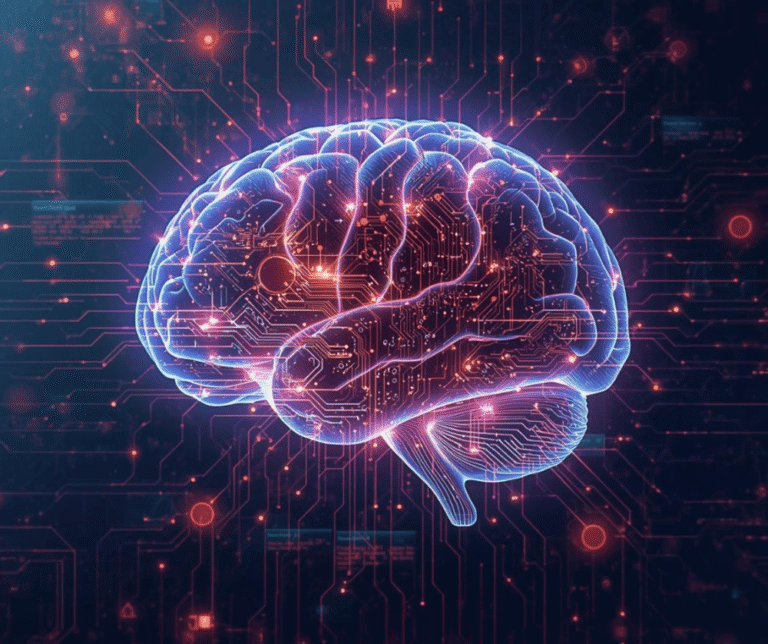
ArtificialIntelligence, or AI, is no longer a futuristic idea—it’s a core part of our daily lives. From the moment we unlock our phones with facial recognition to the recommendations we see on social media, AI quietly powers much of the technology we rely on. But what exactly is AI, and how is it changing the way we live and work?

What Is Artificial Intelligence?

At its core, AI refers to the ability of machines to perform tasks that usually require humanintelligence. This includes learning from experience, recognizing patterns, making decisions, and even understanding natural language. AI systems are powered by algorithms and large datasets, enabling them to “learn” and improve over time without direct human programming.

Types of AI

AI can be divided into two main categories:

  1. Narrow AI: This type of AI is designed to handle specific tasks. Examples include voice assistants like Siri and Alexa, recommendation systems on Netflix, or spam filters in email.

  2. General AI: Still theoretical, general AI would have the ability to understand, learn, and perform any intellectual task that a human can. Researchers are working toward this goal, but it remains a challenge for now.

Applications Across Industries

AI is making a major impact in nearly every field:

  • Healthcare: AI helps doctors analyze medical images, predict diseases, and personalize treatment plans.

  • Education: Intelligent tutoring systems can adapt to a student’s learning pace and provide instant feedback.

  • Business: Companies use AI for customer service chatbots, fraud detection, and data-driven decision-making.

  • Transportation: Self-driving cars and smart traffic systems are revolutionizing how we move.

  • Creative Arts: AI-generated music, art, and writing are opening up new forms of expression and collaboration.

Ethical Considerations

As AI becomes more powerful, questions about privacy, bias, and accountability are growing. Who is responsible if an AI system makes a mistake? How do we ensure algorithms are fair and transparent? Ethical AI development aims to balance innovation with responsibility, ensuring that technology benefits everyone.

The Future of AI

The future of AI holds immense promise. We can expect more natural interactions between humans and machines, smarter automation, and deeper insights from data. However, the key will be in using AI wisely—enhancing human potential rather than replacing it.


In conclusion, Artificial Intelligence is not just a technological trend; it’s a fundamental shift in how we approach problem-solving and creativity. As AI continues to evolve, it will shape the next chapter of human progress—if we guide it with care, curiosity, and ethical foresight.

#ArtificialIntelligence

#AI

#MachineLearning

#DeepLearning

#NeuralNetworks

#DataScience

#Automation

#TechInnovation

#VibesChanger

#BuzzCreatorsDigitalMedia
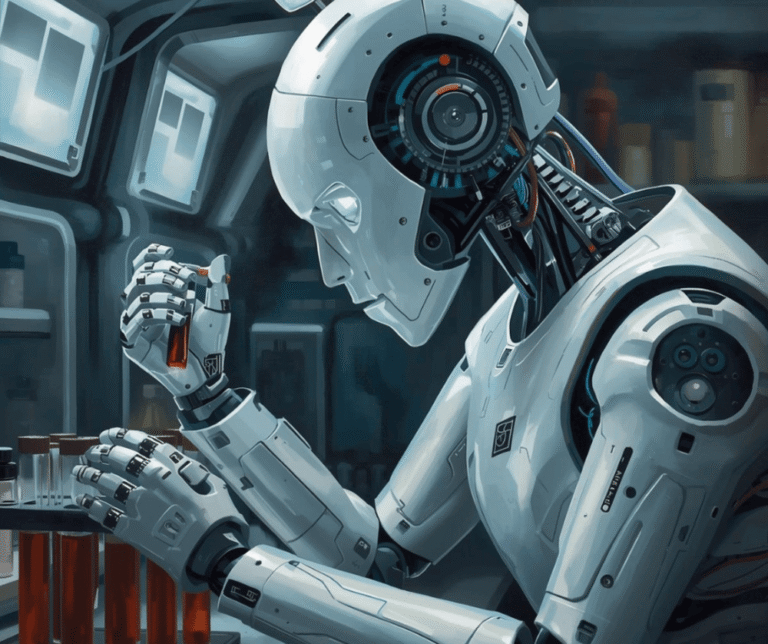
Artificial Intelligence (AI) has become one of the most powerful forces shaping our modern world. From virtualassistants that simplify daily tasks to complex algorithms driving self-driving cars, AI is revolutionizing the way we live, work, and connect. What was once a futuristic idea is now deeply woven into our everyday lives, driving innovation across almost every industry.

At its core, AI refers to the ability of machines to mimic human intelligence — learning from data, recognizing patterns, and making decisions. Machine learning and deep learning, two branches of AI, have enabled systems to continuously improve their performance without human intervention. Whether it’s healthcare, finance, education, or entertainment, AI is helping organizations become more efficient and customer-focused.

One of the most remarkable aspects of AI is its adaptability. In healthcare, AI assists doctors in diagnosing diseases with greater accuracy. In business, it helps companies predict consumer behavior and optimize marketing strategies. Even in creative fields like music and design, AI tools are helping artists push the boundaries of imagination.

However, the rapid growth of AI also brings challenges. Ethical concerns about data privacy, job displacement, and algorithmic bias remind us that technology must be developed responsibly. Striking a balance between innovation and accountability will be key to ensuring AI benefits everyone.

In the end, AI is not here to replace humans but to empower them. When guided by ethical principles and human creativity, Artificial Intelligence has the potential to unlock limitless opportunities — transforming the future in ways we are only beginning to imagine.

#ArtificialIntelligence

#AIRevolution

#FutureOfTechnology

#MachineLearning

#DeepLearning

#VibesChanger

#BuzzCreatorsDigitalMedia
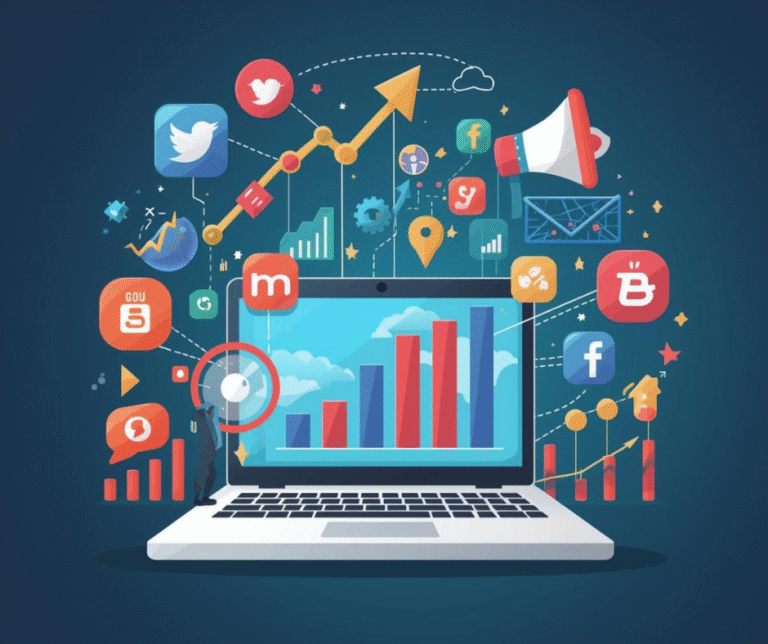
ArtificialIntelligence (AI) isn’t just a buzzword anymore; it’s the defining technology of our era, rapidly shifting from the realm of science fiction to a tangible force in our daily lives. From generative models that create art and write code to sophisticated AI agents helping with complex tasks, the conversation is moving past “if” AI will change the world, to “how” it’s doing so right now.

But what does this revolution really mean for us, the people behind the keyboards and the creative minds driving innovation?


Current Trajectory: What’s Hot in AI

The AI landscape is evolving at a breakneck pace, driven by a few key trends:

  • Multimodal AI: No longer limited to just text or images, AI is increasingly able to understand and analyze multiple types of data simultaneously—text, images, video, and audio. This contextual awareness is powering more insightful analysis and better decision-making across industries, from public sector operations to complex scientific research.

  • The Rise of AI Agents: We’re moving beyond simple chatbots to sophisticated AI agents. These systems can reason, plan, and even handle multi-step workflows, effectively acting as high-level personal or professional assistants. Think of them as the next generation of apps, managing your calendar, triaging emails, or even helping write and debug code.

  • AI as an Enhancer: The focus is shifting from full automation to augmentation. AI’s most immediate and powerful application is in supporting human intelligence, freeing us from repetitive, mundane tasks so we can focus on higher-value, more strategic, and more creative work.


AI and the Creative Industries: A New Partnership

One of the most intense areas of transformation is in the creative industries—art, music, film, and writing. Generative AItools like DALL-E, Midjourney, and text-to-video platforms are democratizing creativity, allowing individuals without traditional skills to produce high-quality work.

The key takeaway here is enhancement, not replacement:

  • Accelerating the Process: AI automates time-consuming tasks like initial drafts, image refinement, and data analysis for audience archetypes, enabling human creators to rapidly prototype and iterate.

  • New Roles Emerge: Instead of a mass layoff, the shift is creating new career paths. We now see a demand for Creative AI Developers (designing the algorithms), AI Ethicists (setting the guardrails), and Creative Technologists (integrating AI tools into creative workflows).

  • The Human Element: Despite the technological leaps, most experts agree that AI lacks the emotional depth, cultural context, and subjective intent that defines true human creativity. The artist’s vision and final touch remain the irreplaceable core of the creative process.


Navigating the Ethical Maze

With great power comes great responsibility. The rapid adoption of AI has thrown critical ethical challenges into the spotlight.

Ethical Concern The Challenge
Bias and Discrimination AI models trained on incomplete or biased data can perpetuate and even amplify real-world societal biases (e.g., around gender or race), leading to unfair or discriminatory outcomes.
Transparency (The “Black Box”) Many complex AI models are opaque—it’s nearly impossible to know exactly why a system arrived at a particular decision, making it difficult to control, monitor, or correct.
Intellectual Property (IP) Questions of ownership remain a legal gray area. Who owns the rights to AI-generated art or text—the user, the AI developer, or the original content creators whose work was used for training?
Accountability and Control As AI makes more critical decisions (e.g., in finance or autonomous vehicles), establishing clear lines of responsibility and ensuring ultimate human oversight is paramount.

Addressing these concerns requires a commitment to responsible AI development. Principles like fairness, explainability, privacy protection, and robust human oversight must be integrated into the design and deployment of every AI system.


Looking Ahead: The Future is Collaborative

The trajectory of AI is not one of human versus machine, but of human with machine.

AI is on track to become an integral, personalized companion—both in the workplace and in our personal lives. It will help us simplify and prioritize tasks, gain deeper insights from data, and tackle complex global challenges from climate change to healthcare access.

The most successful individuals and organizations in the coming years won’t be those who resist AI, but those who learn to collaborate with it. By focusing on the unique value of human skills—critical thinking, emotional intelligence, creativity, and ethical judgment—we can ensure that the AIrevolution serves to amplify our potential, creating a future that is more efficient, insightful, and ultimately, more human.

#AI

#ArtificialIntelligence

#Tech

#Innovation

#DigitalTransformation

#FutureOfWork

#VibesChanger

#BuzzCreatorsDigitalMedia
ArtificialIntelligence (AI) has evolved from a futuristic concept into a powerful force reshaping how we live, work, and connect. From voice assistants on our smartphones to algorithms that recommend what to watch next, AI is already woven into the fabric of our daily lives.

But what exactly is AI? And why is it such a big deal?

Understanding AI in Simple Terms

At its core, artificial intelligence refers to the ability of machines to perform tasks that typically require human intelligence. These tasks include learning, reasoning, problem-solving, understanding language, and recognizing patterns. Rather than being programmed with step-by-step instructions, AI systems learn from data and improve over time.

Think of AI as a smart assistant that gets better the more it interacts with you. It can recognize your voice, understand your preferences, and adapt to new situations.

Real-World Applications of AI

AI is no longer confined to research labs or sci-fi movies. It’s making a tangible impact across multiple industries:

  • Healthcare: AI-poweredtools help doctors diagnose diseases faster and with greater accuracy. Some systems can even predict patient risks before symptoms appear.

  • Finance: AI algorithms detect fraud, assess credit risk, and power robo-advisors that help individuals manage investments.

  • Transportation: Self-driving cars use AI to analyze road conditions, recognize obstacles, and make split-second decisions.

  • Education: Personalized learning platforms use AI to adapt content to each student’s pace and style.

  • Customer Service: Chatbots and virtual assistants are now handling common queries, allowing businesses to offer 24/7 support.

The Benefits and Challenges

One of the most exciting aspects of AI is its potential to solve complex problems, automate repetitive tasks, and unlock new opportunities for innovation. It can increase productivity, reduce human error, and even assist in tackling global challenges like climate change and disease outbreaks.

However, AI also brings ethical and societal questions. What happens when machines replace human jobs? How do we ensure AI is used responsibly and without bias? As AI becomes more advanced, it’s crucial to balance innovation with accountability.

The Future of AI

The journey of AI is just beginning. As technologies like machine learning, natural language processing, and computer vision advance, we can expect even more sophisticated applications. AI will likely play a central role in shaping the future of work, education, and even creativity.

That said, the future of AI isn’t just about machines—it’s about how humans and AI can work together. By combining human judgment with machine efficiency, we can create solutions that neither could achieve alone.


Final Thoughts

AI is not something to fear, but something to understand. As with any powerful tool, its impact depends on how we choose to use it. With thoughtful development and responsible use, AI has the potential to enrich our lives in ways we’re only beginning to imagine.

Whether you’re a tech enthusiast or a casual observer, one thing is clear: the AI revolution is here—and it’s changing everything.

#ArtificialIntelligence

#AI

#MachineLearning

#DeepLearning

#Tech

#VibesChanger

#BuzzCreatorsDigitalMedia
In recent years, Artificial Intelligence has evolved from narrow, single-task tools into sophisticated systems capable of engaging with the world in more human-like ways. One of the most transformative developments driving this shift is MultimodalAI—a form of AI that can understand, process, and generate content across multiple types of data like text, images, audio, and even video.

As we move through 2025, multimodal AI is not just a buzzword—it’s redefining how humans and machines interact, and it’s unlocking capabilities that were once the domain of science fiction.


What Is Multimodal AI?

Traditionally, AI models have been trained to work with one type of input at a time. For instance, a natural language processing model might be excellent at analyzing text, while a computer vision model focuses solely on images.

Multimodal AI, on the other hand, blends these input types into a single system. That means it can take in a picture and a question about the picture, understand both, and respond accurately. Or it can watch a video, read accompanying subtitles, and interpret the tone of voice—all at once.

This cross-sensory learning allows for much richer, more context-aware outputs.


Why Is It a Big Deal in 2025?

1. Human-Like Understanding

Multimodal AI is moving closer to how humans process information. When we communicate, we use tone, facial expressions, gestures, and context—not just words. AIsystems that can handle multiple modalities mirror this layered understanding, making interactions feel more natural.

2. Smarter Assistants

Virtual assistants are no longer limited to voice or text queries. In 2025, assistants powered by multimodal AI can read documents, interpret charts, describe photographs, summarize videos, and even answer questions about what they “see” or “hear.”

Imagine asking your AI to “summarize this meeting recording and highlight any action items from the shared slides.” It can now do that.

3. Universal Accessibility

For people with disabilities, multimodal AI is enhancing accessibility in unprecedented ways. Real-time sign language interpretation, audio descriptions of visual content, and text-to-speech systems that reflect emotional tone are making digital experiences more inclusive.

4. Cross-Industry Impact

Multimodal AI is already transforming industries:

  • Healthcare: Analyzing medical images, doctor’s notes, and patient history simultaneously.

  • Education: Offering personalized learning through videos, texts, and interactive diagrams.

  • Retail: Enabling AI to understand product photos, customer reviews, and live queries to enhance shopping experiences.


Leading Technologies in Multimodal AI

In 2025, several leading AI models are pushing the boundaries of what’s possible:

  • OpenAI’s GPT-4o is one example of a large multimodal model that can reason across text, image, and audio seamlessly.

  • Google’s Gemini and Meta’s ImageBind are also exploring deep integration across different types of data.

These systems are not only multimodal in input and output—they’re also cross-modal, meaning they can reason across modalities. For instance, they can connect an image to a written story or derive audio context from a video clip.


Challenges and Considerations

Despite its promise, multimodal AI also brings new challenges:

  • Bias and Fairness: When training on multiple data types, biased patterns can become amplified.

  • Data Privacy: Handling images, voice, and video raises serious privacy concerns.

  • Model Complexity: These systems are harder to train and more resource-intensive than traditional models.

Addressing these issues is critical to ensuring that multimodal AI develops responsibly and ethically.


What’s Next?

Multimodal AI in 2025 feels like the beginning of a new frontier. We’re approaching an age where interacting with machines won’t require rigid commands or predefined inputs. Instead, AI will understand us on our terms—visually, verbally, emotionally.

The future of AI is not just intelligent—it’s sensory, context-aware, and deeply human.


Final Thoughts

Multimodal AI isn’t just about smarter technology; it’s about building more natural, inclusive, and powerful ways to interact with the digital world. As this field continues to grow, expect to see even more groundbreaking applications that change how we live, work, and communicate.

Whether you’re a developer, a business leader, or just an interested observer, now is the time to pay attention—because multimodal AI is not just the future. In 2025, it’s already here.

#MultimodalAI

#AI2025

#GenerativeAI

#VisionLanguageModels

#CrossModalAI

#MultisensoryAI

#VibesChanger

#BuzzCreatorsDigitalMedia
ArtificialIntelligence (AI) is no longer a concept from science fiction; it’s a dynamic, transformative force reshaping industries, economies, and our everyday lives. From self-driving cars to intelligent personal assistants like Siri and Alexa, AI is everywhere. But what does it mean for the future, and how should we prepare for the changes it brings?

Understanding AI: The Basics

At its core, Artificial Intelligence refers to the ability of machines or software to mimic humanintelligence. This includes learning from experience (machine learning), understanding language (natural language processing), recognizing patterns, and making decisions. AI systems are powered by algorithms and vast amounts of data, enabling them to perform tasks that typically require human intellect.

But AI isn’t just one technology—it’s an umbrella term that covers various subfields, such as:

  • Machine Learning (ML): A method of AI where algorithms learn from data without explicit programming.

  • Deep Learning: A subset of ML that mimics the human brain through artificial neural networks to solve complex problems.

  • Natural Language Processing (NLP): The ability of machines to understand and respond to human language in a meaningful way.

  • Computer Vision: The capability of machines to interpret and make decisions based on visual data (e.g., recognizing objects in images).

AI in Everyday Life: More Than Just Automation

While many associate AI with robotics or futuristic inventions, it’s already integrated into our daily lives in subtle but significant ways. Think about the last time you used your smartphone—AI is likely powering several of the features you used:

  • Smart Assistants: Siri, Google Assistant, and Alexa are AI-driven systems that understand speech and respond in human-like ways.

  • Recommendation Systems: Netflix, Spotify, and Amazon use AI to analyze your preferences and suggest content tailored to your tastes.

  • Social Media: AI algorithms curate the posts you see on Facebook, Instagram, and TikTok, analyzing your behavior and interactions to show you what you’re most likely to engage with.

The rise of AI-poweredtools is also transforming how businesses operate. Companies are leveraging AI for everything from customer service chatbots to supply chain optimization, fraud detection, and even hiring decisions. AI helps businesses become more efficient and effective while reducing human error.

AI in Healthcare: A Game Changer

One of the most promising areas where AI is making an impact is healthcare. AI-powered systems are revolutionizing diagnostics, treatment planning, and patient care. For instance, machine learning algorithms are already capable of analyzing medical images with incredible accuracy, identifying early signs of diseases like cancer or heart conditions that might be missed by human doctors.

Furthermore, AI is accelerating drug discovery. By analyzing vast datasets of molecular structures and patient outcomes, AI can identify potential drug candidates more quickly and efficiently than traditional methods. AI is also being used to personalize treatment plans, ensuring that patients receive therapies tailored to their unique genetic profiles.

AI and the Workforce: Opportunities and Challenges

The rise of AI brings with it both opportunities and challenges for the workforce. On the one hand, AI can automate mundane tasks, freeing humans to focus on higher-level, creative, or interpersonal work. For example, in customer service, AI chatbots can handle basic inquiries, allowing human agents to address more complex issues.

However, this automation raises concerns about job displacement. Industries such as manufacturing, transportation, and even finance are seeing the introduction of AI technologies that could replace jobs traditionally performed by humans. The key challenge lies in upskilling the workforce and preparing workers for jobs that require more complex cognitive abilities, creativity, and emotional intelligence—skills that AI cannot replicate.

Ethical Considerations: Navigating the AI Revolution

As AI continues to evolve, so do the ethical questions surrounding its use. Key concerns include:

  • Bias and Fairness: AI systems are only as good as the data they’re trained on, and biased data can lead to discriminatory outcomes. For example, AI used in hiring or criminal justice systems may perpetuate existing biases in society.

  • Privacy: With AI being powered by vast amounts of data, there are growing concerns about how personal information is collected, stored, and used.

  • Autonomy: As AI systems become more advanced, the question arises—how much autonomy should we allow machines? Should AI be able to make life-or-death decisions, like in self-driving cars or military drones?

Addressing these ethical dilemmas requires ongoing collaboration between AI researchers, policymakers, and society at large. It’s essential to establish regulations and frameworks that ensure AI is developed and deployed responsibly.

The Future of AI: What’s Next?

Looking ahead, AI will continue to evolve, and its impact will deepen in various sectors, from education to entertainment, logistics to law enforcement. Some experts predict that AI will enable innovations we haven’t even imagined yet, like fully autonomous cities, highly personalized learning experiences, and advanced robotic companions for elderly care.

However, the future of AI will require us to strike a balance between innovation and caution. The right mix of ethical guidelines, regulations, and technological advancements will ensure that AI benefits humanity while minimizing potential risks.

Conclusion: Embracing the AI Revolution

Artificial Intelligence is reshaping the world at an accelerating pace, and its influence is only going to grow. From enhancing healthcare to transforming the workforce and improving our daily lives, AI holds tremendous potential. However, as we embrace this technology, we must also be vigilant about the ethical challenges and societal implications it brings.

As AI becomes an integral part of our future, the key will be harnessing its power in ways that benefit everyone—ensuring that it’s used not just for innovation’s sake, but for the betterment of society as a whole.

#AIRevolution

#FutureOfAI

#ArtificialIntelligence

#AIImpact

#TechInnovation

#AITrends

#VibesChanger

#BuzzCreatorsDigitalMedia
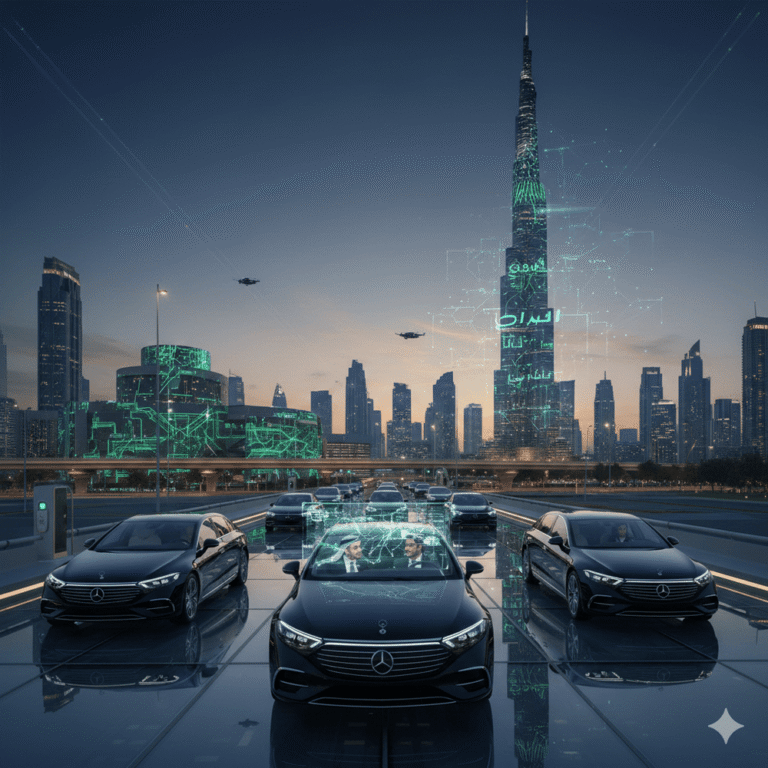
Artificial Intelligence (AI) is no longer a concept reserved for science fiction or futuristic labs. It’s here, embedded in the tools we use every day—from voice assistants like Siri and Alexa to the recommendation engines behind Netflix and Spotify. As AI continues to evolve, it’s reshaping industries, revolutionizing workflows, and even influencing the way we make decisions.

What Is AI, Really?

At its core, AI refers to machines or software that can mimic human intelligence. This includes learning from data, recognizing patterns, solving problems, and making decisions with minimal human intervention. AI isn’t a single technology—it’s an umbrella term that covers everything from machine learning and natural language processing to robotics and computer vision.

Everyday Examples of AI

Chances are, you’ve already interacted with AI today without realizing it. If you’ve used Google Maps for traffic updates, unlocked your phone with facial recognition, or received a smart reply suggestion in your email app, you’ve benefited from AI in action.

Retailers use AI to predict buying habits, healthcare systems use it to help diagnose diseases, and financial institutions rely on it to detect fraud. These practical applications are just the tip of the iceberg.

AI in the Workplace

AI is transforming the workplace in profound ways. It automates repetitive tasks, allowing employees to focus on higher-value work. For example, in customer service, chatbots can handle basic inquiries 24/7, freeing human agents to solve more complex problems. In manufacturing, AI-poweredrobots can perform precision tasks that would be difficult or dangerous for humans.

But AI isn’t just about replacing jobs—it’s also creating new ones. Roles like AI ethicist, data annotator, and machine learning engineer didn’t exist a decade ago. As with any technological shift, adaptation is key.

The Ethical Side of AI

As powerful as AI is, it also raises important ethical questions. How do we ensure algorithms are fair and unbiased? What happens to privacy when machines can analyze vast amounts of personal data? Who’s responsible when an autonomous system makes a mistake?

These questions highlight the need for clear guidelines, transparency, and accountability in AIdevelopment. Many organizations and governments are now working to create ethical frameworks to guide how AI is used.

Looking Ahead

The future of AI is filled with potential. From self-driving cars to intelligent tutoring systems, we’re only beginning to see what’s possible. However, the goal shouldn’t be to let machines run the world, but to use AI as a tool that enhances human abilities and improves quality of life.

As AI continues to grow, one thing is clear: it’s not just about technology—it’s about people, too. The choices we make today in how we design and deploy AI will shape the world we live in tomorrow.

#ArtificialIntelligence

#AI

#MachineLearning

#FutureOfWork

#TechTrends

#VibesChanger

#BuzzCreatorsDigitalMedia
Artificial Intelligence, commonly known as AI, is no longer just a concept from science fiction. It’s a rapidly advancing field that’s changing the way we live, work, and interact with technology every day. From virtual assistants like Siri and Alexa to recommendation systems on Netflix and Amazon, AI is becoming an integral part of modern life.

What is Artificial Intelligence?

At its core, AI refers to the ability of machines to mimic human intelligence. This includes learning from experience, understanding natural language, recognizing patterns, solving problems, and even making decisions. AI systems are designed to perform tasks that typically require human intelligence — but with speed, efficiency, and accuracy that often surpass human capabilities.

Types of AI

AI can be broadly categorized into three types:

  1. Narrow AI
    Also known as “Weak AI,” this type is designed to perform a specific task. Most of the AI we see today falls into this category — like facial recognition software or spam filters.

  2. General AI
    This is a more advanced form of AI that can understand, learn, and apply knowledge across a wide range of tasks — much like a human being. It’s still theoretical but is a major goal for researchers.

  3. Superintelligent AI
    A hypothetical form of AI that surpasses human intelligence in every aspect. While it’s a popular theme in movies and literature, it’s still far from reality.

Real-World Applications of AI

AI is already making a significant impact in various industries:

  • Healthcare: AI helps in diagnosing diseases, analyzing medical images, and even predicting patient outcomes.

  • Finance: From fraud detection to algorithmic trading, AI is making financial services smarter and more secure.

  • Transportation: Self-driving cars and intelligent traffic systems rely heavily on AItechnologies.

  • Customer Service: Chatbots and virtual assistants are improving user experience and reducing response times.

The Ethical Side of AI

With great power comes great responsibility. As AI continues to evolve, so do the ethical questions surrounding it. How do we ensure AI is used fairly? What happens to jobs that become automated? How do we prevent biased algorithms?

These concerns are sparking important conversations about responsible AIdevelopment, transparency, and accountability.

The Future of AI

Looking ahead, AI is set to become even more influential. Advancements in natural language processing, machine learning, and robotics could lead to breakthroughs we can hardly imagine today. However, it’s essential to strike a balance — embracing innovation while keeping ethical considerations front and center.


Final Thoughts

ArtificialIntelligence is not just a buzzword — it’s a transformative force that’s reshaping industries and redefining what’s possible. As with any powerful tool, the key lies in how we choose to use it. By fostering responsible innovation, we can ensure AI benefits society as a whole.

#ArtificialIntelligence
#AI
#MachineLearning
#TechInnovation
#FutureOfTech
#VibesChanger
#BuzzCreatorsDigitalMedia
 

ArtificialIntelligence (AI) isn’t just a concept from science fiction anymore; it’s an integral part of our daily lives. From the personalized recommendations on your favorite streaming service to the voice assistant on your phone, AI is all around us, often without us even realizing it. But what exactly is AI, and where is it taking us?

What is AI? A Simple Breakdown

At its core, AI is about giving machines the ability to perform tasks that typically require humanintelligence. This includes things like learning, reasoning, problem-solving, and perception. It’s a broad field that encompasses various techniques and disciplines.

The most common form of AI we encounter today is “narrow AI,” which is designed to perform a specific, limited set of actions. Think of a chess-playing computer, a spam filter for your email, or a self-driving car. These systems are incredibly good at their assigned tasks but can’t perform functions outside their programming.

Key concepts in AI include:

  • Machine Learning (ML): This is a subset of AI that uses algorithms to allow computers to learn from data without being explicitly programmed. By feeding an ML model a large dataset, it can identify patterns and make predictions.

  • Natural Language Processing (NLP): This is the technology that enables computers to understand, interpret, and generate human language. It’s what powers chatbots, language translation tools, and virtual assistants like Siri and Alexa.

  • Computer Vision: This field allows computers to “see” and interpret visual information from images and videos. It’s used in everything from facial recognition to medical image analysis.

AI in Action: The Everyday and the Extraordinary

The applications of AI are vast and growing. In our daily lives, AI is at work when:

  • Navigation apps like Google Maps analyze real-time traffic data to suggest the fastest route.

  • E-commerce platforms recommend products based on your past purchases and browsing history.

  • Financial institutions use AI to detect fraudulent transactions by identifying unusual spending patterns.

  • Smart home devices learn your habits to optimize energy use and provide convenience.

Beyond these everyday examples, AI is making a significant impact across various industries:

  • Healthcare: AI is assisting in the early diagnosis of diseases by analyzing medical images and patient data. It is also used in drug discovery and personalized treatment plans.

  • Transportation: The development of self-driving cars is one of the most visible applications of AI. AI-powered systems are also used to manage traffic flow and logistics.

  • Education: AI can create personalized learning plans for students, providing real-time feedback and tailoring content to individual needs.

The Road Ahead: Challenges and Opportunities

As AI continues to evolve, it presents both incredible opportunities and complex challenges. The future of AI is promising, with new models like Google’s Gemini and OpenAI’s GPT-5 pushing the boundaries of what’s possible. However, this rapid progress brings important ethical considerations to the forefront.

  • Bias and Fairness: AI systems are only as good as the data they are trained on. If the data is biased, the AI will learn and perpetuate those biases, leading to unfair or discriminatory outcomes.

  • Privacy and Security: The vast amounts of data needed to train and operate AI models raise concerns about user privacy and data security.

  • Transparency: Many AI systems, particularly complex ones, are “black boxes,” meaning it can be difficult to understand how they arrive at a particular decision. This lack of transparency can be a problem in critical applications like medicine or law.

  • Job Displacement: The automation of tasks by AI could lead to significant changes in the workforce, requiring a focus on reskilling and education to help people adapt to new roles.

AI is poised to fundamentally reshape society. By embracing its potential while actively addressing its ethical challenges, we can ensure that this powerful technology benefits everyone. The conversation around AI isn’t just for tech experts—it’s one we all need to be a part of.

#AI

#ArtificialIntelligence

#Technology

#Innovation

#FutureTech

#VibesChanger

#BuzzCreatorsDigitalMedia